

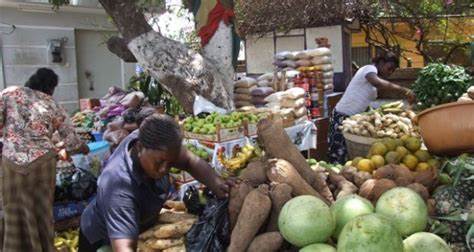
Ghana’s food security situation has reached a critical point, prompting strong warnings from the Chamber of Agribusiness Ghana that recent data should be treated as a serious national concern. New figures indicate that approximately 12.5 million people, representing about 38.1 percent of the population, are currently unable to consistently access adequate and nutritious food. This development reflects not only growing household vulnerability but also broader structural weaknesses in the country’s food and agricultural systems.
According to data compiled by the Ghana Statistical Service, food insecurity has expanded significantly in recent years, cutting across both rural and urban areas. CAG has described these figures as an alarm bell that highlights the urgent need for coordinated national action. When more than a third of the population struggles with food access, the implications extend beyond agriculture into public health, economic productivity, and national stability.
Key drivers behind the worsening situation
The rise in food insecurity has been driven by a combination of economic, climatic, and structural factors that have reinforced one another over time. High inflation has sharply reduced household purchasing power, pushing food prices beyond the reach of many families. Even when food is available in markets, affordability has become a major barrier, particularly for low income households and those dependent on informal employment.
Climate variability has further intensified the challenge. Unpredictable rainfall patterns, prolonged dry spells, and extreme weather events have disrupted planting and harvesting cycles, leading to reduced yields and inconsistent supply. Smallholder farmers, who form the backbone of domestic food production, are especially vulnerable due to limited access to irrigation, insurance, and climate resilient inputs. Rising costs of fertiliser, fuel, and transportation have also increased the cost of food production and distribution, adding pressure across the value chain.
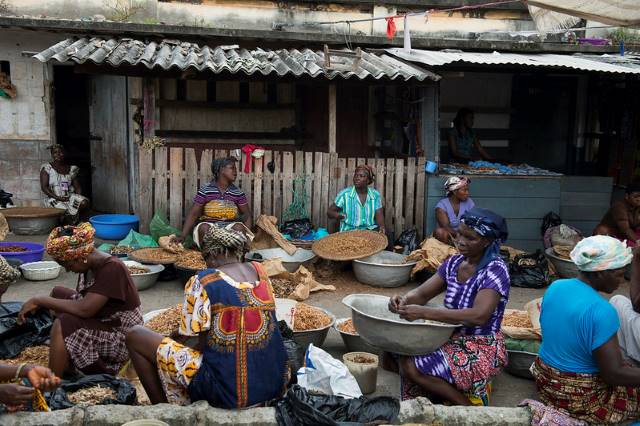
Gender disparities remain a critical concern. Data show that female headed households are disproportionately affected by food insecurity, with over 44 percent reporting difficulty accessing sufficient food. This reflects broader inequalities related to income, land ownership, access to credit, and social protection. The persistence of these gaps highlights the need for gender responsive policies within agriculture and food systems.
Regional and international assessments align with these findings. Monitoring data from West Africa indicate that Ghana has experienced one of the sharper increases in food insecurity in the subregion in recent years. The World Food Programme has also reported a rise in the number of people facing acute food insecurity in Ghana, driven by inflationary pressures, climate related crop losses, and declining resilience among vulnerable households.
Impacts on health, productivity, and social stability
Food insecurity has far reaching consequences that extend well beyond hunger. At the household level, families often cope by reducing meal sizes, skipping meals, or shifting to less nutritious foods. Over time, these strategies undermine health and wellbeing. Adults in food insecure households face higher risks of chronic illnesses, while children are more vulnerable to stunting, undernutrition, and impaired cognitive development.
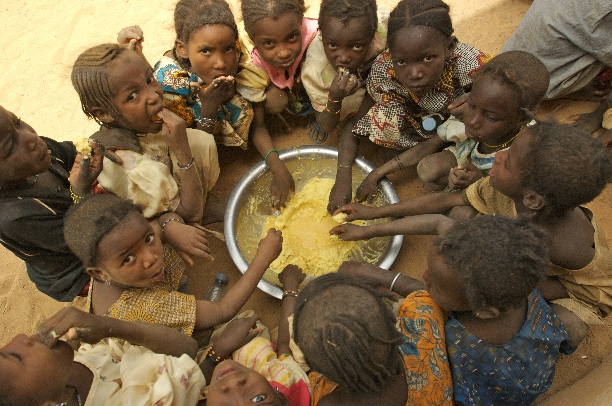
The economic implications are equally significant. A population struggling to meet basic food needs is less productive, more susceptible to illness, and more dependent on public services. This weakens overall economic performance and places additional strain on health and social protection systems. In the long term, widespread food insecurity can slow progress toward poverty reduction and human capital development, creating a cycle that is difficult to reverse.
Social cohesion is also at risk. Persistent food shortages and rising prices can increase tensions, deepen inequality, and erode trust in institutions. These risks underline why food security must be treated as a national priority rather than a sector specific issue.
Pathways toward a more resilient food system
CAG and other stakeholders have outlined several strategic priorities to address the crisis. Central among them is the promotion of climate smart agriculture to help farmers adapt to changing environmental conditions. Expanding irrigation, encouraging drought tolerant crop varieties, and improving soil management can help stabilise production and reduce vulnerability to weather shocks.
Strengthening agricultural value chains is another critical area. Significant post harvest losses continue to reduce the amount of food that reaches consumers. Investments in storage, processing, transport infrastructure, and market access can improve efficiency while increasing farmer incomes and food availability.
Reducing food costs also requires policy action. Supporting local production to reduce reliance on imports, expanding targeted social protection programmes, and integrating urban agriculture into city planning can improve access to affordable food for vulnerable populations. Youth engagement in agribusiness, particularly through innovation and value addition, is seen as essential to building long term capacity and resilience.
In conclusion, Ghana’s current food insecurity levels reflect deep and interconnected challenges that demand urgent and coordinated responses. The data present a clear warning that without sustained investment, policy reform, and collective action, the social and economic costs will continue to rise. Addressing food insecurity decisively is not only about feeding the population but also about safeguarding health, stability, and the country’s long term development prospects.