

Google Labs has added the music-generation platform ProducerAI to its suite of experimental generative tools, marking another major step in how artificial intelligence is shaping creative workflows in the music industry. The move comes amid sharp reactions in financial markets, including a drop in Spotify shares, as investors weigh the competitive implications of tech giants entering the AI-driven creative landscape.
ProducerAI, a generative music technology startup, offers AI tools for composing original tracks, creating stylistic variations, and assisting producers with arrangement and production tasks. Its integration into Google Labs is intended to broaden access to advanced music creation tools, bringing generative audio capabilities to a larger group of creators and experimenters. The platform gained additional visibility recently when musician Wyclef Jean used Google’s AI music tools in crafting his new single “Back in Abu Dhabi,” showcasing how established artists are exploring generative AI as part of their creative process.
While details of the integration have not been fully disclosed, the move aligns with a larger trend of major technology companies embedding generative AI across content creation domains, including text, image, video and now music. Google Labs serves as an incubator for early-stage AI experiments, allowing users to test new tools and provide feedback ahead of broader releases. Leveraging ProducerAI’s technology within this environment suggests Google’s intent to refine and expand its offerings for musicians and producers, potentially lowering barriers to entry for music creation and reducing reliance on traditional production setups.
The announcement has also had notable effects on market sentiment, particularly for Spotify. The company’s stock price declined following the news, a reaction analysts attribute to concerns that expanded AI music tools from Google could intensify competition for user-generated and AI-enhanced content. Spotify has its own initiatives in AI audio personalisation and recommendation systems, but the broader narrative of big tech investing in generative media is prompting investors to reassess growth prospects for established music platforms.

Industry experts say AI-assisted music production is still evolving, with debates ongoing about copyright, creative ownership and the role of human artists. Google’s move to bring ProducerAI into its ecosystem could accelerate mainstream adoption of AI tools in composition and production, even as regulators and rights holders consider how to address intellectual property questions raised by AI-generated content.
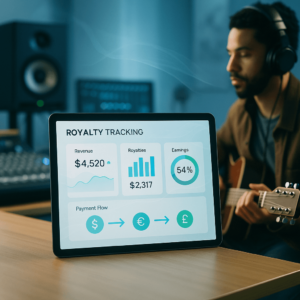
For musicians, the integration offers both opportunities and challenges. On one hand, AI tools can help artists prototype ideas rapidly, explore new styles, and augment workflows that traditionally required expensive studio time or specialized skills. On the other, there are concerns about how AI-generated music will be credited, monetised and regulated, especially if generative models blend existing musical elements in ways that resemble known works.
Listeners have already begun noticing AI influences in new music releases, as evidenced by Wyclef Jean’s recent single. The song’s use of Google’s AI tools underscores how established artists are experimenting with emerging technology to expand creative possibilities, a trend that could broaden as AI models become more accessible and integrated into mainstream production environments.
Beyond music creation, generative AI tools are reshaping recommendation algorithms, personalised playlists and user engagement strategies on streaming platforms. As tech companies like Google push deeper into creative AI, existing services such as Spotify may look to differentiate through enhanced discovery features, curation and community-driven content.
The arrival of ProducerAI in Google Labs therefore represents more than a feature update; it signals a shift in how AI and music intersect at the industry level. As creators, consumers and platforms adapt to this new landscape, questions about artistic control, economic impact and regulatory frameworks will likely intensify.