

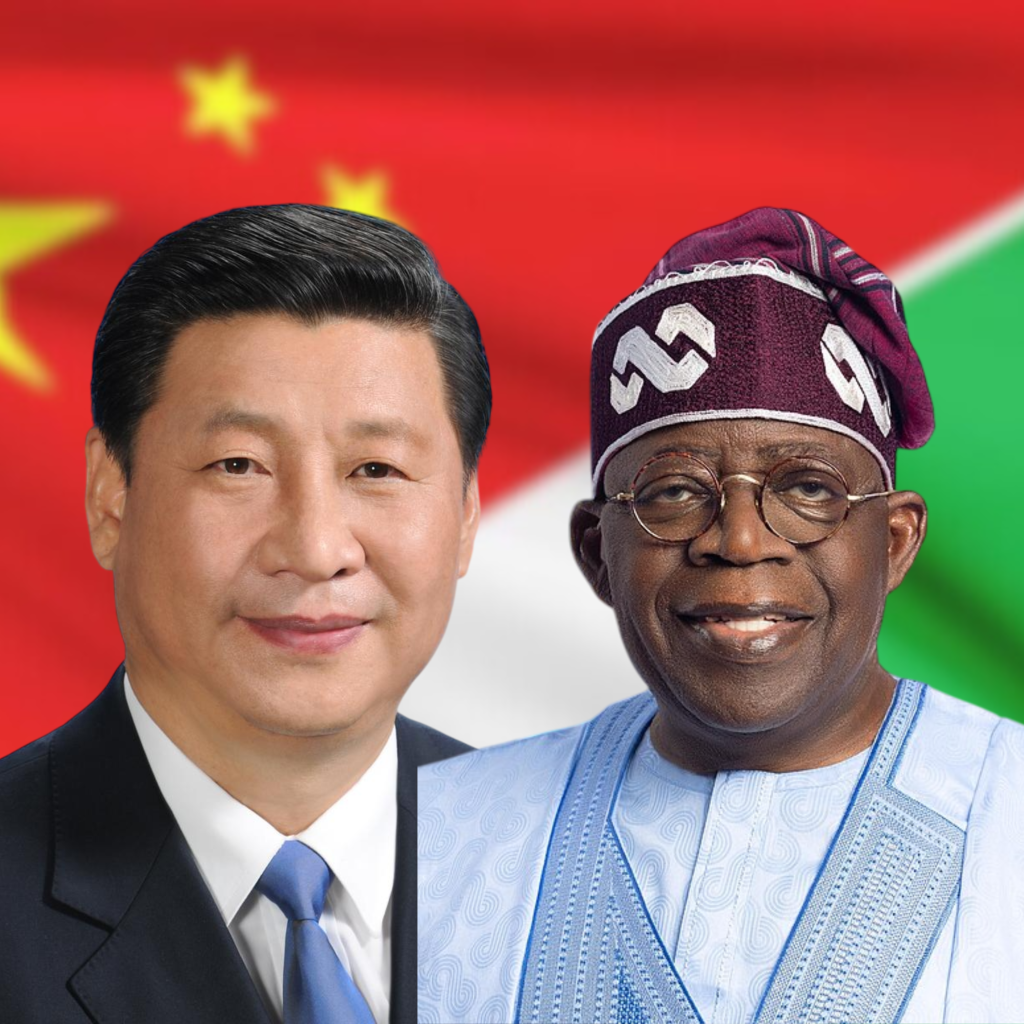
Nigeria is intensifying efforts to attract substantial foreign investment from China as part of a broader push to transform its economic landscape and accelerate industrial growth. Government officials have opened negotiations aimed at securing up to $5.7 billion in Chinese capital, with detailed proposals centered on expanding capacity in power generation, mining, and industrial manufacturing. These discussions form a key component of Nigeria’s strategy to reduce dependence on raw commodity exports, strengthen domestic production, and create sustainable employment opportunities while enhancing the country’s export potential.
The discussions were propelled forward during a high level meeting in Abuja between Nigeria’s Minister of Finance and Coordinating Minister of the Economy, Wale Edun, and a delegation from the Chinese conglomerate GCL Group, led by former Abia State Governor and Senator Orji Uzor Kalu. In statements issued by the Federal Ministry of Finance, officials emphasised that the proposed investment package reflects rising investor confidence in Nigeria’s ongoing economic reform agenda, particularly reforms championed by President Bola Ahmed Tinubu to stabilise macroeconomic conditions and stimulate private sector participation in critical sectors.
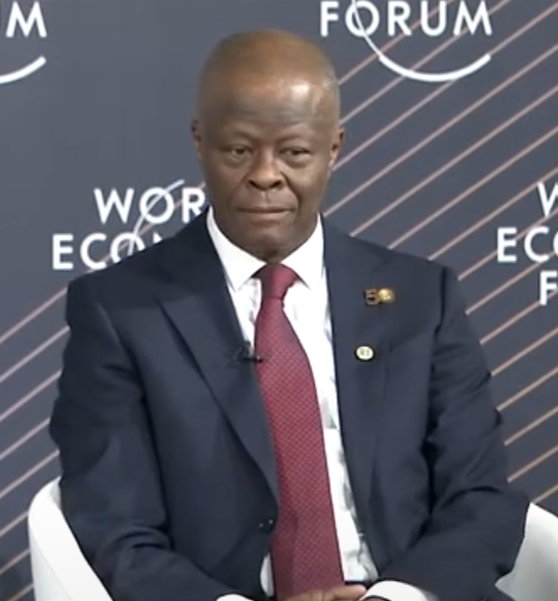
At the heart of the discussions are multiple large scale projects intended to tackle some of Nigeria’s most persistent challenges. Chronic power shortages have historically undermined industrial competitiveness, forcing many businesses to rely on costly alternative sources of electricity. It is expected that part of the Chinese investment will be dedicated to utility scale energy generation facilities designed to enhance grid reliability and support industrial operations. In the mining sector, where Nigeria sits atop substantial mineral deposits, plans include establishing local processing facilities that add value to raw materials rather than exporting them unprocessed. This approach is seen as instrumental in spurring downstream industrial activities and creating higher value export goods.
The manufacturing component of the proposed investment is equally strategic. Nigeria’s industrial base has long struggled with inadequate infrastructure, limited access to reliable energy, and competition from imported goods. By attracting capital to build new factories and support manufacturing clusters, policymakers hope to boost employment, increase output, and foster a more resilient domestic production ecosystem. The proposed projects are intended to generate significant job opportunities, broaden the tax base, and diversify sources of export revenue, thereby strengthening long term economic growth.
If successfully concluded, the $5.7 billion investment would be among the largest foreign capital commitments Nigeria has pursued in recent years. It would also underscore China’s ongoing role as a major source of investment in Africa’s largest economy. Chinese firms have already been active across several sectors in Nigeria, with recent capital flows including over $1.3 billion in investments in the lithium processing industry, reflecting international interest in critical minerals tied to global energy transitions. Additionally, Chinese corporations have shown interest in agricultural and renewable energy opportunities and established facilities such as a steel plant in Ogun State, demonstrating a diversified engagement across the Nigerian economy.
Despite the strong potential, analysts note that securing foreign investment is just one step in a longer process that requires robust project implementation frameworks, clear regulatory environments, and effective local partnerships. Nigeria’s broader investment context is shaped by a complex relationship with global capital flows. In the first quarter of 2025, overall foreign investment in the country rose by more than 67 percent compared to the previous year, indicating improving investor confidence, although foreign direct investment remains a smaller share of total capital inflows. Strengthening the conditions that attract such investments such as addressing infrastructure deficits, enhancing financial regulations, and reducing bureaucratic bottlenecks remains critical.
The Nigeria China economic relationship has deep historical roots, with China consistently ranking among Nigeria’s top trading partners. In 2024, imports from China more than doubled compared to the previous year, illustrating the scale of economic exchange between both countries. However, Nigeria continues to face a significant trade imbalance, with exports to China comprising a much smaller share of total bilateral trade. These trends have reinforced government efforts to shift the narrative toward more balanced and mutually beneficial investment and trade partnerships, particularly those that support local value addition and industrialisation.
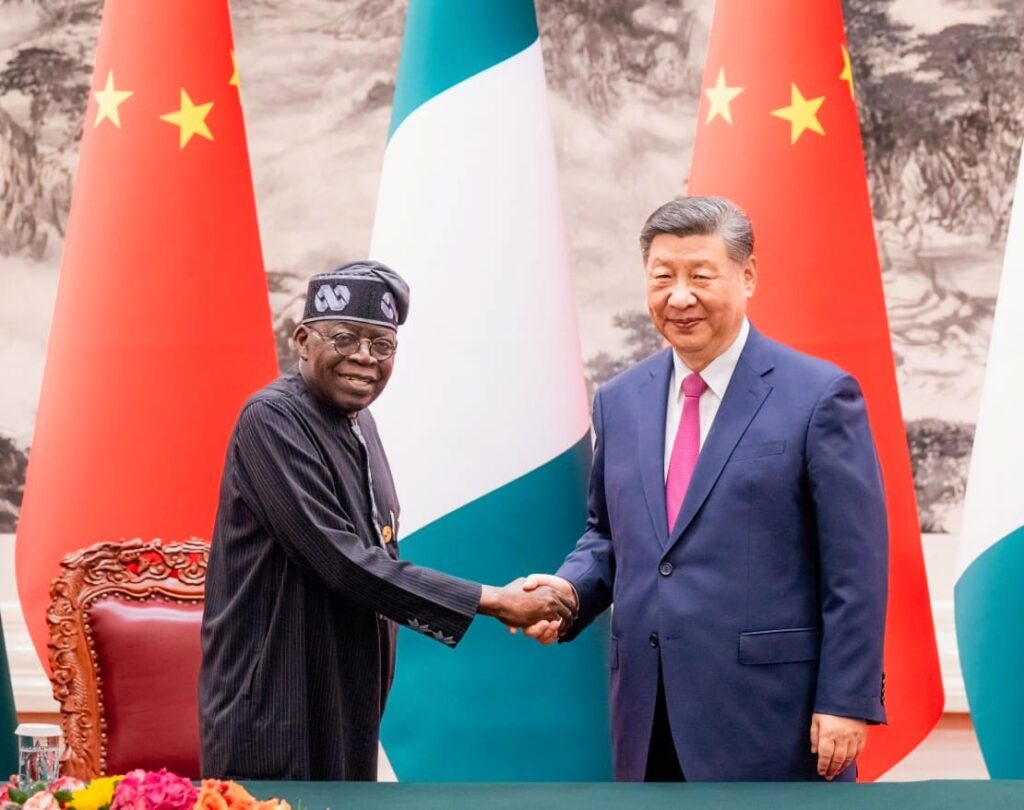
Beyond capital investment, technological cooperation has also been a feature of Nigeria China engagement. Chinese participation in sectors such as telecommunications, fintech, and renewable energy has contributed to infrastructure development and advanced technology transfer, boosting digital services and energy solutions. Nigerian and Chinese firms have collaborated on projects ranging from cloud services and solar photovoltaic initiatives to digital payment platforms that expand financial inclusion. Such collaborations are seen as complementary to traditional investment flows by diversifying economic linkages and building capacity within Nigerian industries.
The negotiations for the $5.7 billion investment package align with Nigeria’s broader economic objectives under current reforms aimed at stabilising the macroeconomy, reducing reliance on oil revenues, and encouraging sustainable industrial growth. While the ultimate success of these negotiations will depend on final agreements and implementation planning, the initiative signals both Nigeria’s proactive stance in courting foreign capital and China’s continued commercial interest in participating in Africa’s largest economy.