

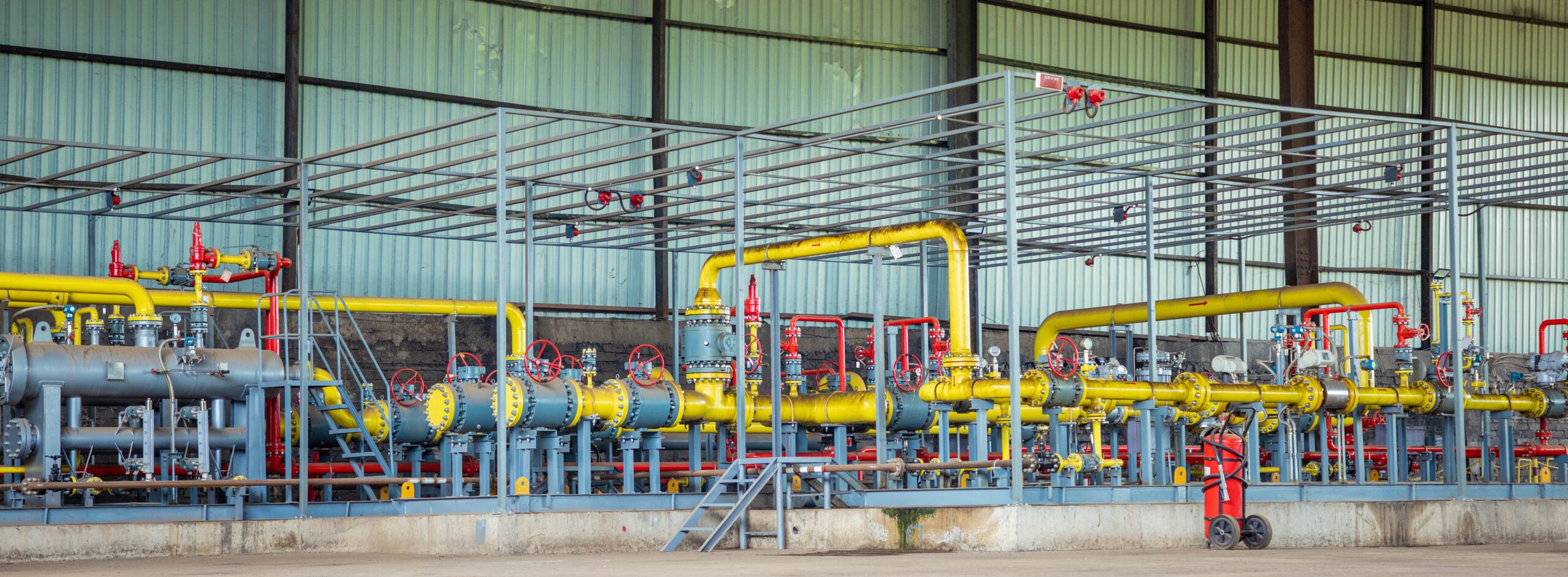
The Ghana Extractive Industries Transparency Initiative (GHEITI) has urged the government of Ghana to revisit its directive that designated the Ghana National Gas Company (Ghana Gas) as the country’s national gas aggregator, highlighting significant institutional ambiguities and legislative gaps that continue to undermine the midstream gas governance framework.
In its most recent extractive sector report, GHEITI noted that despite Cabinet approval in 2020 for the transfer of gas aggregation responsibilities from the Ghana National Petroleum Corporation (GNPC) to Ghana Gas, the transition remains incomplete. Crucially, the structures and legal foundations necessary for Ghana Gas to perform effectively as a gas aggregator have yet to be established, leaving the GNPC still managing existing gas sales agreements.
Background: Aggregator role and intended reforms
The policy to make Ghana Gas the national gas aggregator was conceived as part of a broader strategy to streamline Ghana’s gas value chain. Under the approved plan, Ghana Gas primarily a gas processing entity was to consolidate upstream gas resources and sell them in bulk to major consumers, especially power producers. This consolidation was expected to integrate midstream operations, including aggregation, processing, and transmission, under a single entity to enhance efficiency and accountability.
Initially proposed by Ghana Gas and endorsed by the Presidency in May 2020, the reform was intended to relieve GNPC of its aggregation duties, allowing it to focus on broader upstream development and exploration. However, GHEITI’s findings reveal that the institutional realignment underpinning this transition has not taken effect in practice. As a result, the ambiguity over roles and responsibilities persists.
Institutional challenges and risks
GHEITI contends that the absence of clear legal and institutional frameworks for the aggregation role has the potential to create overlapping mandates and conflict between GNPC and Ghana Gas. Experts within the oil and gas sector have warned that this confusion could weaken transparency and investor confidence, crucial components for attracting and sustaining investment in Ghana’s energy markets. With the cost of gas directly influencing thermal power generation and electricity tariffs, any disruption or uncertainty in governance could ultimately affect energy prices and supply stability.
Some civil society stakeholders, including the Africa Centre for Energy Policy (ACEP), have previously questioned whether Ghana Gas possesses the financial muscle to shoulder the aggregator mandate. They argue that GNPC’s stronger revenue base and balance sheet provide more robust backing for large infrastructure and supply obligations. Additionally, acting as a gas aggregator carries inherent commercial risk, particularly in volatile markets as seen during the COVID-19 pandemic when energy sector dynamics were highly unpredictable.
Recommendations from GHEITI
Given the current stagnation of the transition, GHEITI has recommended that the government either withdraw the directive appointing Ghana Gas as gas aggregator or amend existing legislation to clarify and formalize the role, whether for Ghana Gas or another designated body. This, the transparency watchdog argues, would align policy with the realities on the ground and promote clearer governance pathways.
Broader governance concerns
Beyond the gas aggregator issue, GHEITI’s report raised other governance concerns. For example, the initiative highlighted tax compliance issues involving Explorco, a GNPC subsidiary with stakes in the Jubilee and Tweneboa-Enyenra-Ntomme (TEN) oil fields. GHEITI noted that Explorco has not paid corporate income tax on its interests in these fields, raising concerns about compliance with Ghana’s tax laws and potential revenue losses if ring-fencing principles are not enforced. Ring-fencing ensures that revenues and expenditures from separate petroleum operations are accounted for independently, preventing cross-subsidization that could reduce taxable income.
Other stakeholders and sector observers have also emphasized the importance of clear and accountable governance in the wider oil and gas sector. Recent reports indicate that the extractives industry in Ghana is undergoing significant reconciliations and reforms aimed at both invigorating investor interest and enhancing transparency in revenue management. These reforms are integral to strengthening Ghana’s position as a credible and transparent producer in the global energy market.
The Need for Stronger Sector Reforms
The call by GHEITI comes at a crucial time for Ghana’s petroleum sector, which faces the dual challenge of optimizing hydrocarbon resources while pursuing sustainability and investor confidence. Clear institutional roles and legal certainty are foundational to these goals. Without them, the sector risks inefficiencies, diminished accountability, and potential revenue leakage all of which could impact public finances and energy sector performance.
In summary, GHEITI’s recommendations underscore the need for decisive legislative action and institutional restructuring to clarify Ghana’s gas market governance. This, stakeholders argue, will improve transparency, support investor confidence, and ensure that the benefits of Ghana’s natural resources are managed in a way that promotes sustainable economic development.