

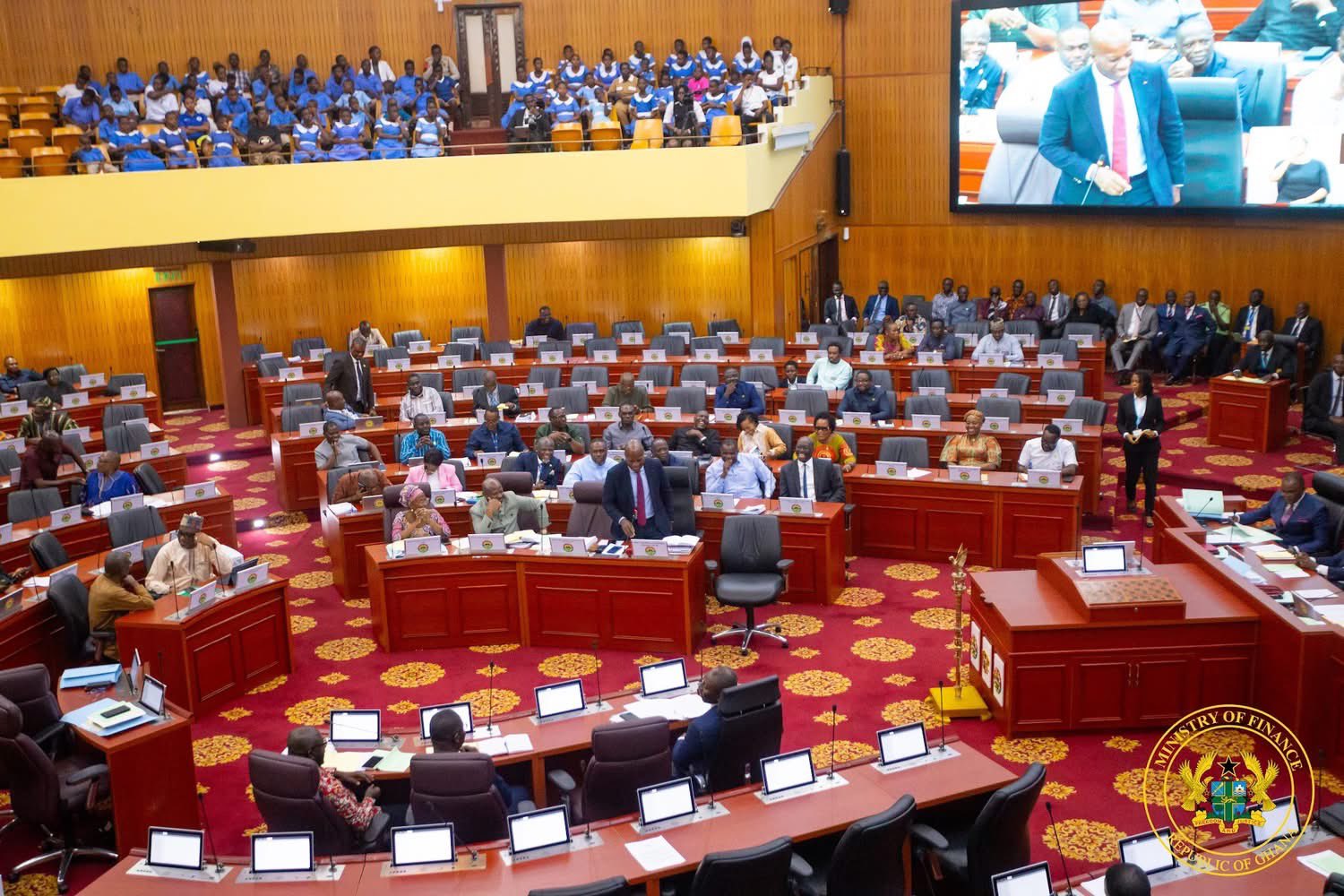
The Government of Ghana has formally presented the Value for Money Office Bill, 2026 to Parliament in a bid to overhaul the country’s public financial management framework and curb persistent inefficiencies in public spending. The landmark legislation was tabled by Dr Cassiel Ato Forson, Ghana’s Minister for Finance and Economic Planning, as part of broader reforms aimed at ensuring that every cedi spent by the state delivers tangible benefits to citizens and supports sustainable economic development.
In his presentation to Parliament on 24 February 2026, Dr Forson emphasised that chronic weaknesses in Ghana’s financial management such as inflated contracts, cost overruns, abandoned infrastructure projects and wasteful expenditure have eroded public confidence and resulted in avoidable fiscal losses. To address these challenges, the proposed Value for Money Office (VfMO) would operate as a specialised, independent statutory body with legal authority to assess, certify and enforce value standards before major public contracts are awarded.
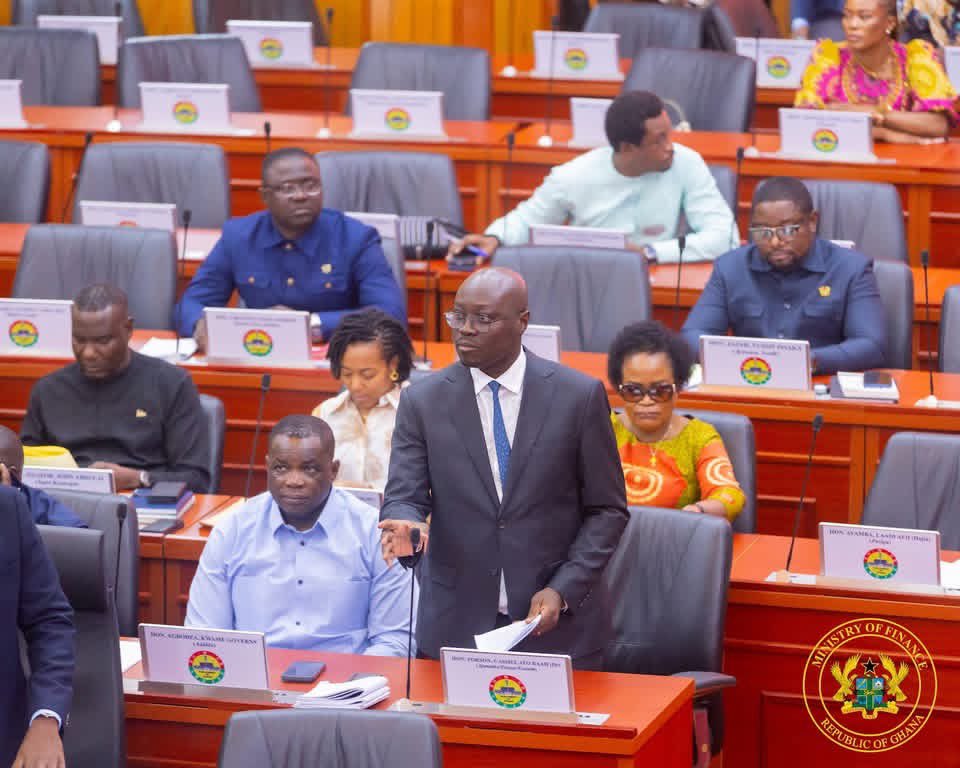
Under the provisions of the Bill, the Office would perform value for money assessments prior to contract approvals, issue mandatory Value for Money Certificates, monitor compliance throughout project implementation, and impose sanctions where violations occur. This pre-emptive approach represents a shift from the traditional after-the-fact audits that have often left accountability gaps in government procurement and project execution.
Dr Forson explained that the overarching objective is to ensure that every cedi spent by the government delivers maximum benefit to citizens in terms of economy, efficiency, effectiveness, equity and sustainability — key principles that underpin modern public financial management frameworks. He noted that Ghana’s current oversight mechanisms focus largely on procedural compliance rather than outcomes, and that establishing a dedicated office would help close this gap.
The Minister also pointed to the role the VfMO could play in promoting uniformity in pricing and cost benchmarking across government entities, thereby reducing contract inflation and helping to free up fiscal space for essential social services. In explaining the rationale for the legislation, Dr Forson referenced international best practices, citing institutions such as the National Audit Office and the Government Accountability Office in the United States, as well as similar frameworks in countries like Canada that have institutionalised value for money reviews to strengthen public sector accountability.
A key feature of the proposed office, according to the Bill, is the creation of a Value for Money Transparency Portal, which would provide real-time public access to certified projects, cost benchmarks, savings achieved and citizen feedback. This digital platform is expected to enhance transparency, allow public scrutiny of government expenditure, and build trust between citizens and the state. Quarterly and annual reports from the Office would be submitted to both the Cabinet and Parliament, reinforcing legislative oversight.
The VfMO is part of a broader set of reforms outlined in the 2026 Revised Budget Statement, which emphasises strengthening expenditure discipline, improving compliance with procurement standards and enhancing transparency in public investment decisions. Establishing a value for money institution was highlighted as a priority reform within the budget framework, alongside measures to update procurement rules and integrate technology to improve financial controls.
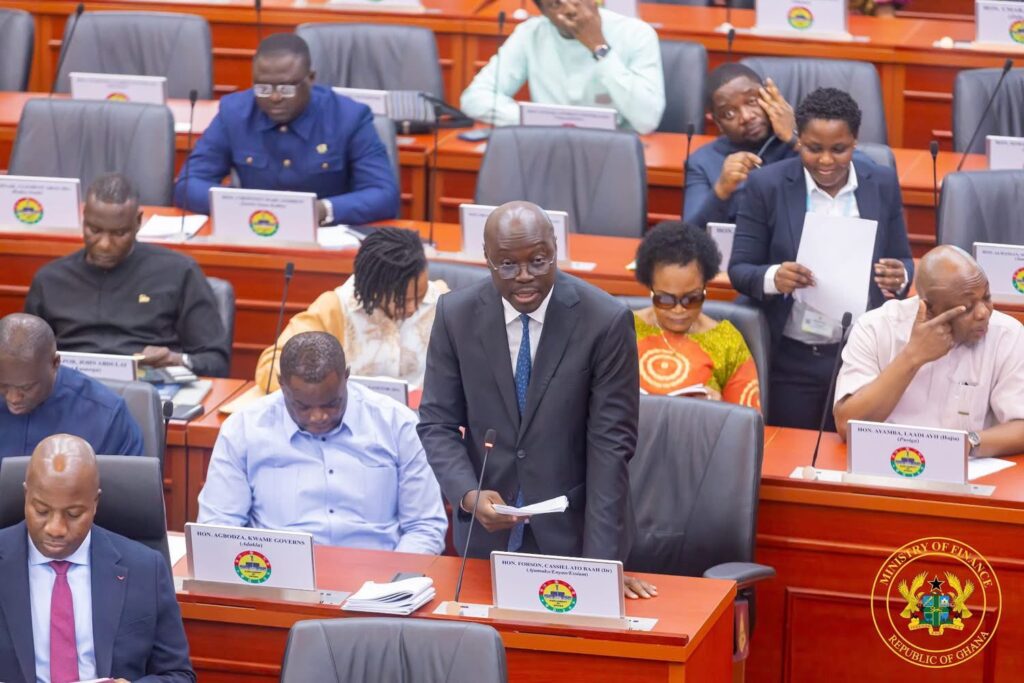
Supporters of the Bill argue that it could become a cornerstone of fiscal discipline in Ghana, addressing long-standing concerns about project abandonment and wastage that have dogged public investment programmes. They contend that having a body dedicated to vetting major expenditure before approval will reduce opportunities for inefficiency and corruption, ultimately conserving scarce resources for critical sectors such as health, education and infrastructure.
Critics have raised questions about potential overlap with existing institutions such as the Public Procurement Authority (PPA) and the Auditor-General’s Department, which already play roles in procurement oversight and audit functions. Some stakeholders have called for clarity on how the new Office would coordinate with these bodies to avoid duplicating functions or creating bureaucratic bottlenecks. Parliament’s Finance and Economy Committees are now tasked with reviewing the Bill and engaging in public hearings before it proceeds to further legislative stages.
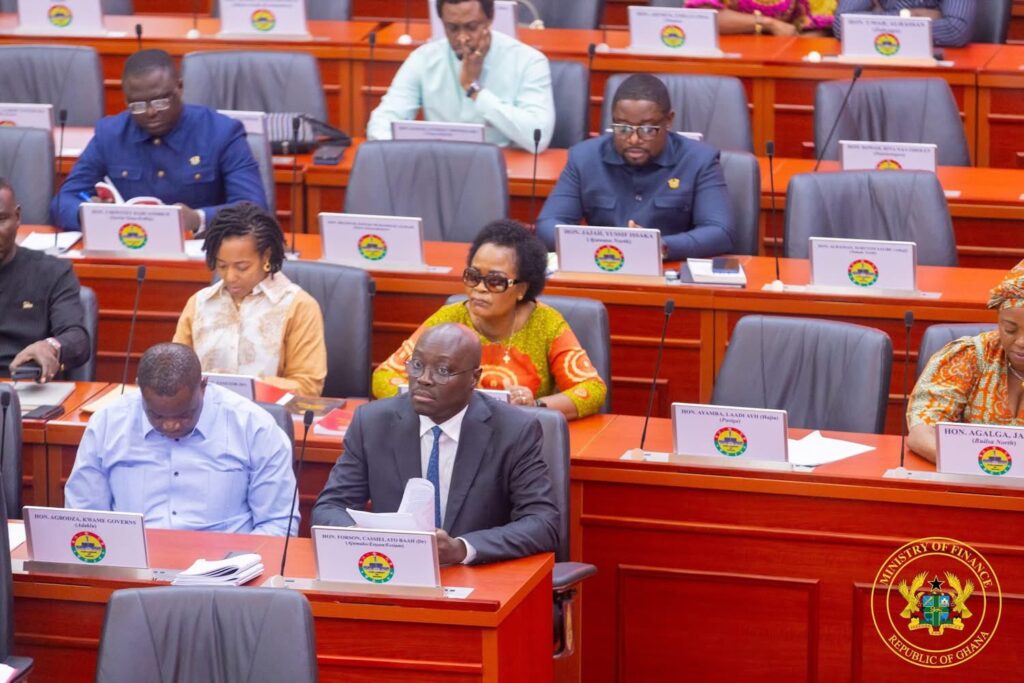
The initiative also aligns with earlier directives from President John Dramani Mahama, who announced plans to establish an independent value for money body as part of his government’s accountability agenda. In early 2025, President Mahama emphasised the importance of rigorous public spending oversight, stating that every cedi spent on behalf of the people must deliver measurable value.
As the Bill undergoes parliamentary scrutiny, many analysts and civil society actors are watching closely, hoping it will enhance transparency, curb waste, and restore public confidence in how state resources are managed. If enacted, the Value for Money Office could mark a significant evolution in Ghana’s governance infrastructure, embedding performance accountability as a central pillar of public financial management.