

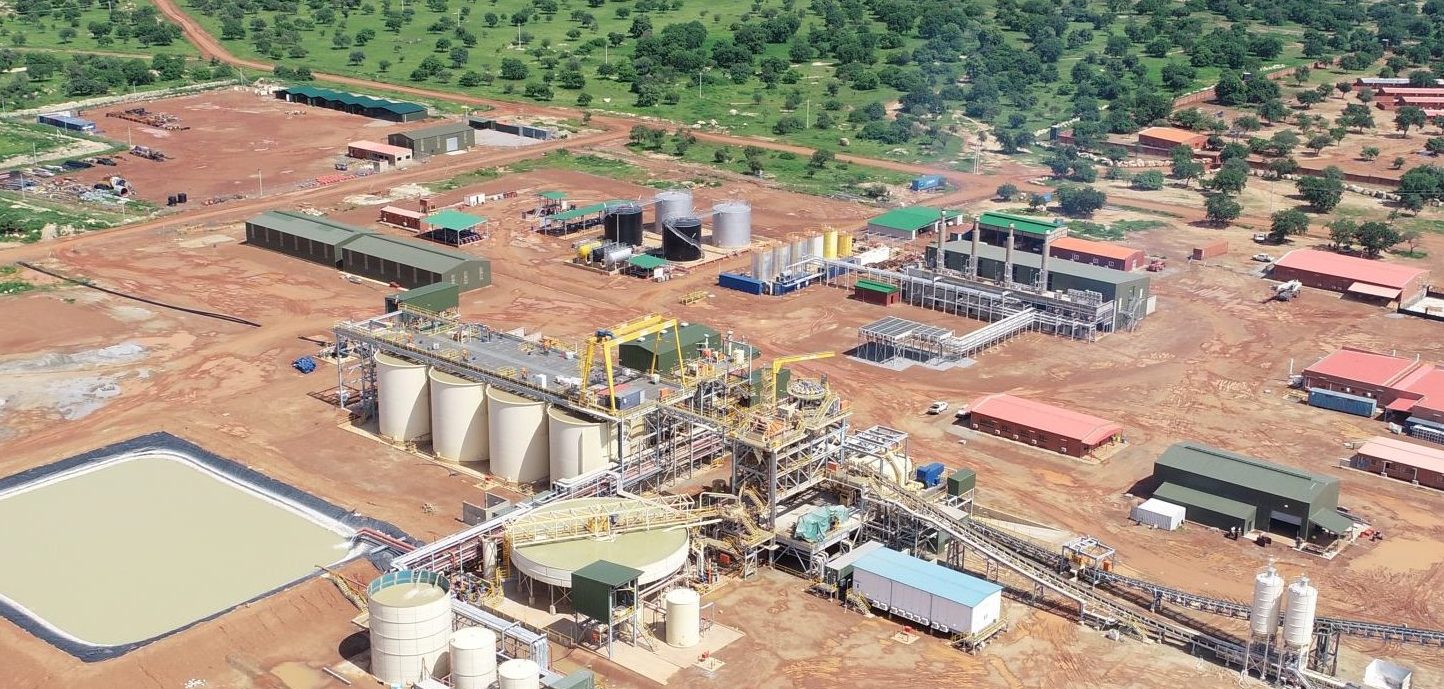
Burkina Faso and West African Resources Limited (WAF) are navigating a complex yet constructive negotiation over increasing the state’s ownership stake in the Kiaka Gold Project, underscoring a broader shift in the country’s approach to resource governance. Unlike some other cases of resource nationalisation in the region that have been characterised by tension and legal battles, both sides say the process has been collaborative and focused on shared long‑term value, rather than confrontation.
Burkina Faso’s government is examining a draft decree that would increase the state’s equity in Kiaka SA by an additional 25 per cent through the state mining investment arm, Société de Participation Minière du Burkina Faso (SOPAMIB). The move reflects policy direction by the country’s leadership, first under the 2024 Mining Code and now through direct engagement, to secure a larger share of revenue and influence in large mineral projects. As of late 2021, WAF holds a 90 per cent stake in Kiaka SA, with the Burkina Faso government owning the remaining 10 per cent.
Officials say the talks, referenced in the Council of Ministers’ minutes from 19 February 2026, have focused on ensuring any transition in equity ownership is fair, transparent and financially responsible for both investors and the state. This has involved careful legal and financial review rather than broad unilateral action. Government negotiators and WAF executives have emphasised consultation and mutual understanding as central to the process.
Richard Hyde, WAF’s Executive Chairman and CEO, said discussions with the Government of Burkina Faso have been positive and founded on a shared vision to develop sustainable mining that benefits local communities and delivers long‑term value to all stakeholders. He stressed that operations at Kiaka, as well as the company’s other projects, Sanbrado and Toega, have continued uninterrupted throughout the engagement, signalling stability rather than disruption.
The talks around Kiaka are taking place against a backdrop of more assertive resource sector policies under the leadership of Ibrahim Traoré, who has led the country since the September 2022 coup. Since that time, the Burkinabé authorities have consolidated gold purchasing through state‑linked businesses, limited artisanal exports in efforts to curb smuggling and announced plans to expand local processing capacity. These steps are part of a broader policy intent to retain more value domestically from one of the country’s primary export earners.
Previous legal disputes involving international mining firms have also shaped the environment. For example, a legal settlement in August 2024 between Endeavour Mining Plc and Lilium Mining resulted in increased state ownership and financial compensation for the government. In that case, the courts ordered Lilium to transfer mine ownership to the state in exchange for payments and royalties, underlining the government’s determination to deepen national participation in mineral wealth.
Under the updated 2024 Mining Code, the Burkinabé government boosted its free carried equity from 10 per cent to 15 per cent, and by August 2025 WAF had already adopted this legislative change, updating its reporting to reflect the equity adjustment for its major projects, including Sanbrado, Kiaka and Toega. The current negotiations aim to go further, potentially bringing the government’s stake in Kiaka SA to a full 35 per cent as part of SOPAMIB’s broader investment portfolio.
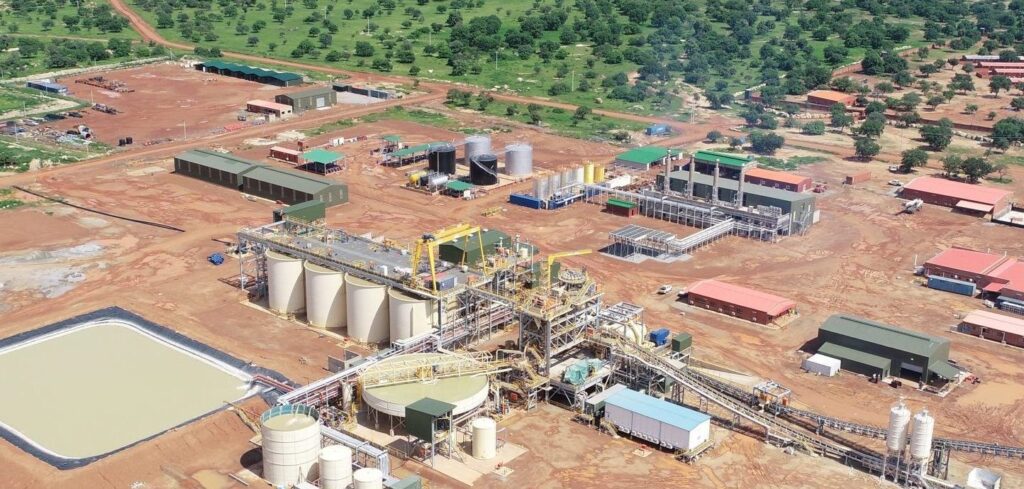
Burkina Faso’s mining sector has been robust, with official statistics showing national gold output reaching a record 94 tonnes in 2025, a performance that highlights the economic importance of mining to the country’s export earnings and public finances. Minister of Energy, Mines and Quarries Yacouba Zabré Gouba has pointed to mining as a cornerstone of growth, and the government’s equity strategy reflects an effort to capture a larger share of the fiscal and developmental benefits that flow from production.
Critically, the ongoing discussions with WAF show that resource nationalism does not necessarily have to result in conflict. Instead of shutting negotiations down, Burkina Faso appears determined to balance state interests with the need to maintain investor confidence and technical expertise. That equilibrium, if maintained, could set a precedent for similar arrangements in the region where sovereign interests and private capital must coexist.
Burkina Faso Criminalizes Homosexuality Under Sweeping Junta Reforms