

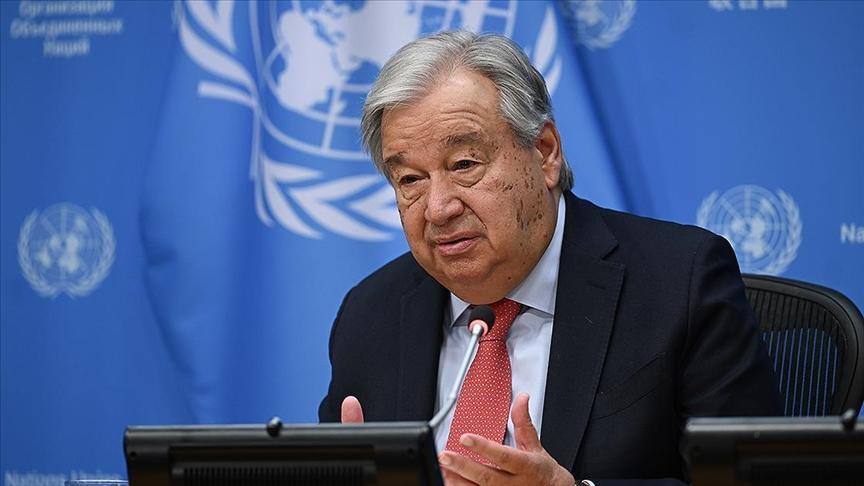
United Nations Secretary-General António Guterres has called for science-based global oversight of artificial intelligence and urged support for a proposed $3 billion AI fund, arguing that responsible governance of emerging technologies is critical to advancing sustainable development across Africa and the wider Global South.
Speaking on the margins of the AI Impact Summit in New Delhi, Guterres stressed that artificial intelligence must not deepen global inequality but instead be harnessed as a transformative tool to accelerate progress toward the Sustainable Development Goals.
He underscored the central role of science in shaping international AI governance frameworks, warning that fragmented or purely commercial approaches risk sidelining developing nations. “Science must guide global cooperation on artificial intelligence,” he said, highlighting the need for evidence-based policymaking, transparency and inclusive participation in global decision-making processes.

The proposed $3 billion AI fund, according to UN officials, would aim to strengthen digital capacity in developing countries, particularly in Africa, by supporting research institutions, data infrastructure, talent development and regulatory systems. The initiative is intended to close what Guterres described as the “AI divide”, the growing gap between countries that have the computing power, datasets and skilled workforce to lead AI development and those that do not.
Africa, home to the world’s youngest population and rapidly expanding digital economies, stands at a crossroads in the AI era. While the continent has witnessed a surge in tech startups and innovation hubs, it remains constrained by limited access to high-performance computing, inadequate digital infrastructure and uneven regulatory preparedness.
Guterres warned that without deliberate global action, AI could exacerbate economic disparities, automate jobs without adequate social protection and concentrate power in a handful of countries and corporations. Conversely, he noted, well-governed AI could enhance agricultural productivity, strengthen healthcare systems, improve disaster response and optimise energy use, all critical pillars of sustainable development in Africa.
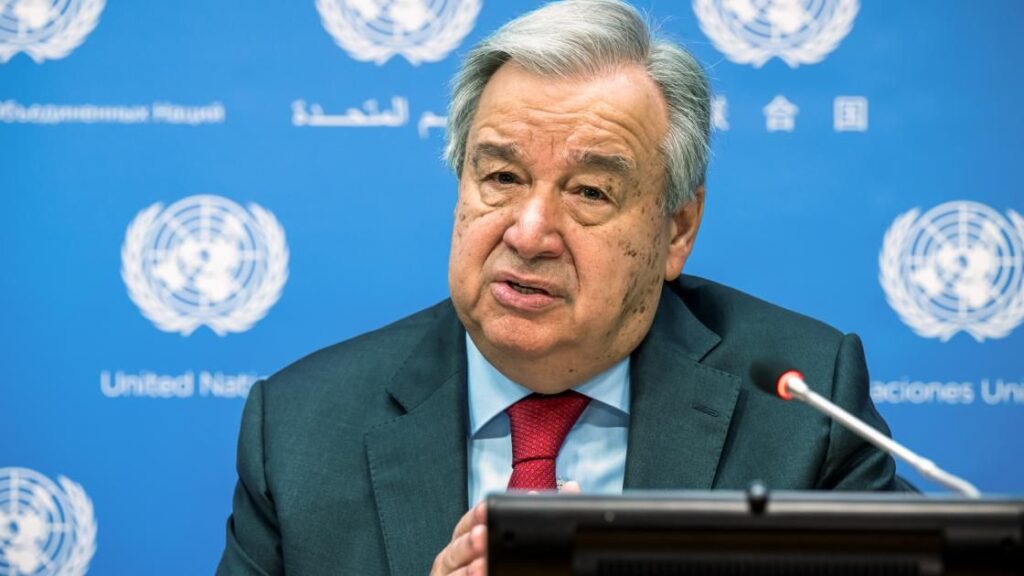
The Secretary-General’s remarks come amid accelerating international debate over AI governance, including issues related to data protection, algorithmic bias, ethical safeguards and geopolitical competition. As governments and technology firms race to deploy advanced AI systems, calls for coordinated multilateral oversight have intensified.
At the summit, discussions reportedly focused on ensuring that developing economies have a voice in shaping global AI standards and norms. Guterres emphasised that governance frameworks must be inclusive and grounded in scientific expertise, rather than driven solely by market forces or strategic rivalry.
The UN has been advancing broader digital cooperation initiatives, including efforts to strengthen global digital public goods and foster cross-border collaboration on emerging technologies. The proposed AI fund aligns with these priorities, positioning AI not merely as a commercial technology but as a public policy instrument capable of advancing human development.
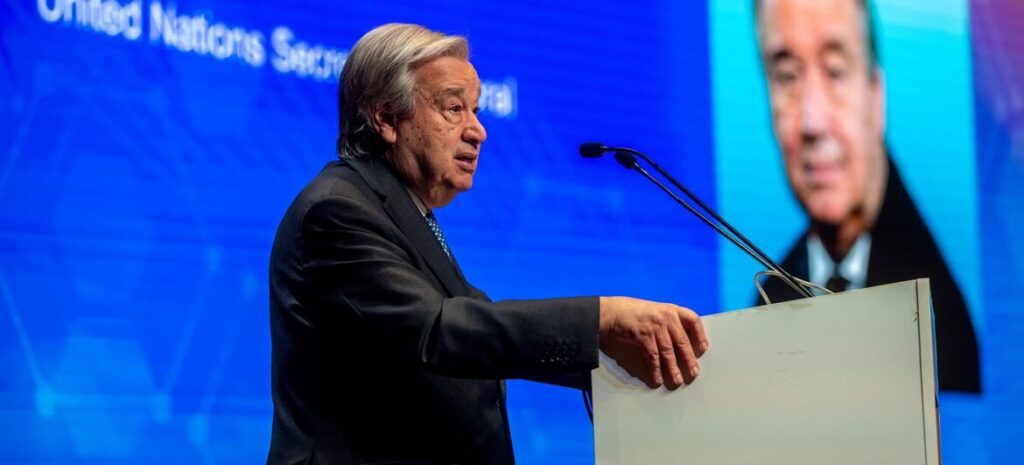
For African governments, the call presents both an opportunity and a challenge. Leveraging AI for sustainable development will require investments in education, research, infrastructure and regulatory capacity. It will also demand coordination among policymakers, scientists and private sector actors to ensure that AI systems are designed and deployed in ways that reflect local realities and priorities.
As global negotiations over AI governance intensify, Guterres’ message signals the UN’s intention to anchor the debate in science, equity and development outcomes. Whether the proposed $3 billion fund materialises, and how it is structured, will be closely watched by African policymakers seeking to secure a meaningful role in shaping the next phase of the digital revolution.
IMF chief urges North Africa to deepen Africa-Europe trade links to boost growth potential