

Egis, a major European engineering and infrastructure services firm, has announced the sale of six of its African subsidiaries to their local management teams, marking a significant shift in its footprint on the continent amid an ongoing legal dispute.
The units being divested are located in Cameroon, Madagascar (Inframad), Senegal, Kenya, Côte d’Ivoire and Rwanda. Rather than selling them to an outside investor, Egis structured the transaction as a management buyout. Local leadership teams across the six countries formed a new entity, named Infras, under a holding company based in Casablanca, Morocco. The buyout is led by Arnaud de Rugy, the former chief executive of Egis in Africa, together with Francis Ramiaramanana and the respective country directors. The new group reports employing more than 500 people across the six markets.
Egis described the move as a strategic reorganisation intended to sharpen its focus on large‑scale global projects and to position the company for stronger targeted growth. “This marks a new phase for Egis in Africa. By refining our focus on large‑scale projects, we are positioning the company for targeted and strong growth. Africa remains central to Egis’ global vision,” said Charlie Hodgson, Egis director for Africa and Europe.
The company emphasised that the sale does not affect staff numbers or local operations: existing employees are being retained, and the teams will continue to operate under the new Infras banner. That continuity is viewed as critical in maintaining client relationships and project momentum in markets where local expertise and long‑term contracts are key.
While Egis framed the transaction as a strategic realignment, the decision comes amid a reported legal dispute. Details about the nature of the dispute were not fully disclosed in Egis’s statement, but sources familiar with the situation suggest that disagreements over contract terms, project risk allocations and governance structures with certain partners may have played a role in accelerating the divestiture process.
Legal and regulatory challenges in cross‑border engineering and infrastructure operations are common in complex sectors where long‑term contracts, multi‑jurisdictional compliance and evolving procurement frameworks intersect. By transferring ownership to management teams that are deeply embedded in local markets, Egis may have sought to sidestep protracted legal battles while preserving continuity of service for clients and ensuring business stability.
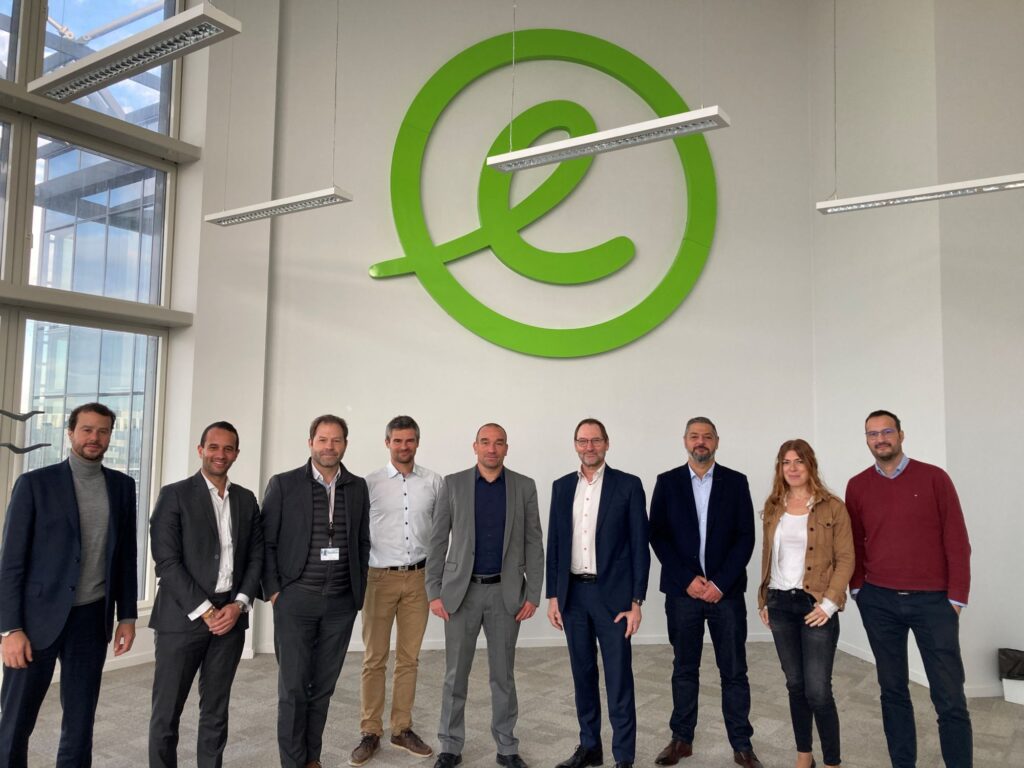
The newly formed Infras group, anchored in Casablanca, is expected to pursue a broad agenda of infrastructure development across the six countries, including transport, water, energy and urban planning projects. Local leadership teams have framed the transition as an opportunity to deepen regional engagement, tailor services more closely to market needs and build stronger South‑South engineering networks.
Inframad in Madagascar, for example, has expertise in road and coastal infrastructure; the Cameroon, Senegal and Côte d’Ivoire units have long been involved in transport, urban development and public works; while operations in Kenya and Rwanda have focused on both public and private sector infrastructure services. Under the Infras umbrella, these diverse portfolios could benefit from more integrated regional coordination and locally driven investment strategies.
Analysts say that Egis’s pivot in Africa reflects broader trends among global engineering firms reassessing their organisational structures in emerging markets. Some multinationals have increased emphasis on partnerships, joint ventures and locally led entities as a way to navigate regulatory environments, tendering systems and client expectations that favour regional expertise.

For governments and clients in the affected countries, the transition may reduce uncertainty around project delivery timelines and local capacity. In markets such as Senegal and Kenya, where infrastructure development is a key part of national economic strategies, the continuity of engineering services is vital to progress on large programmes funded by public budgets, multilateral lenders and development finance institutions.
At the same time, the emergence of a locally led pan‑African engineering group could signal a shift toward more indigenous leadership in the sector. Infras’s ability to leverage its regional footprint, coupled with deep experience inherited from Egis, positions it as a player capable of competing for major contracts across Francophone and East African markets.
For Egis, the transaction allows it to concentrate on core competencies and markets while maintaining strategic ties with African partners through a more decentralised approach. Whether similar divestitures or restructurings occur in other regions will likely depend on how the broader legal dispute evolves and how the company’s strategic priorities shift in response to global market conditions.
Ghana moves to strengthen scientific foundation of traditional medicine