

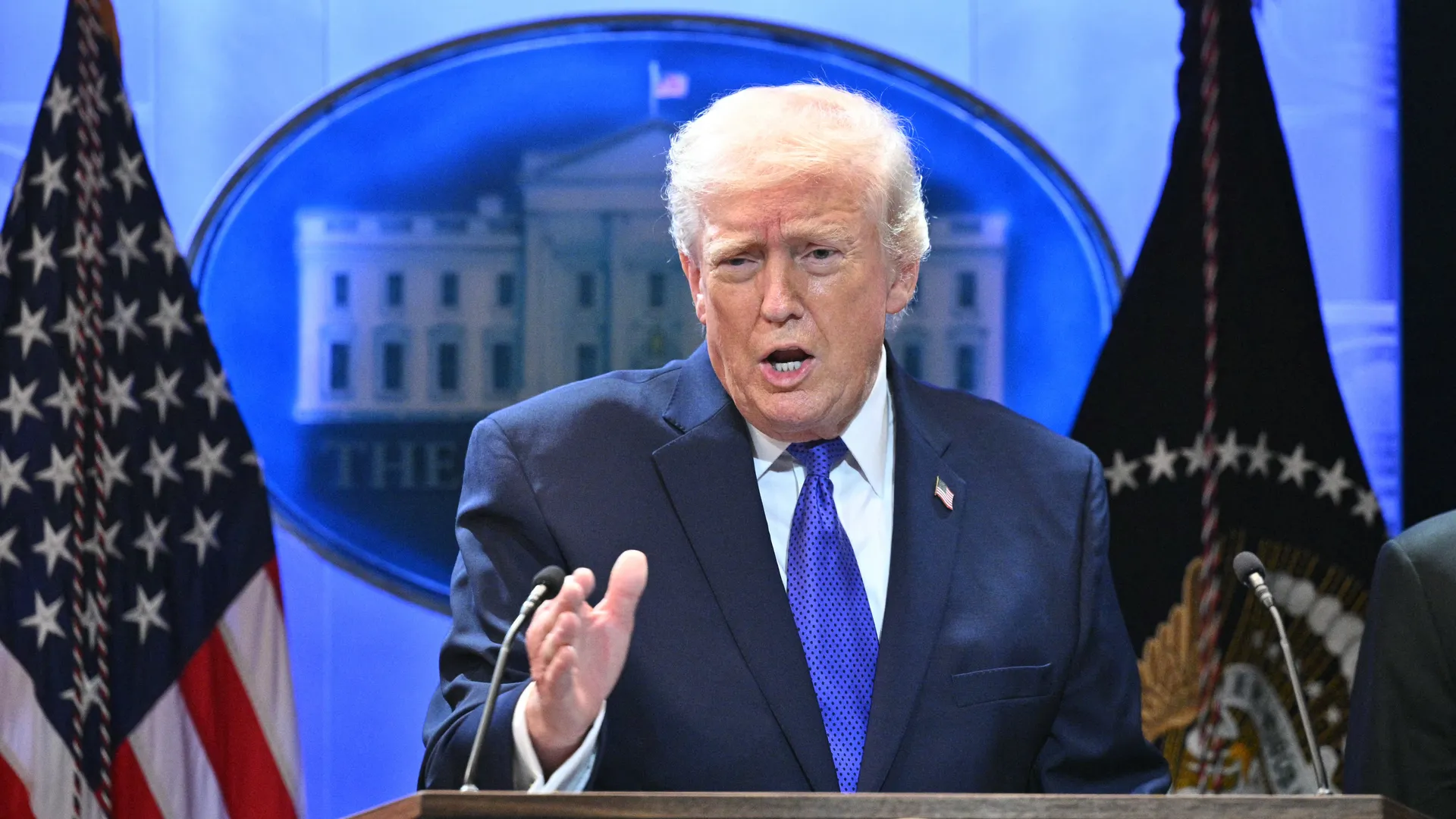
In a dramatic escalation of tensions between the U.S. executive branch and the nation’s highest court, President Donald J. Trump responded angrily on 20 February 2026 after the U.S. Supreme Court invalidated his signature global tariff policy, describing the ruling as a disgrace to the nation and moving quickly to impose a new levy on imports under a different statutory authority. The episode underscores mounting constitutional questions about presidential trade powers and has stirred political controversy at home and uncertainty abroad.
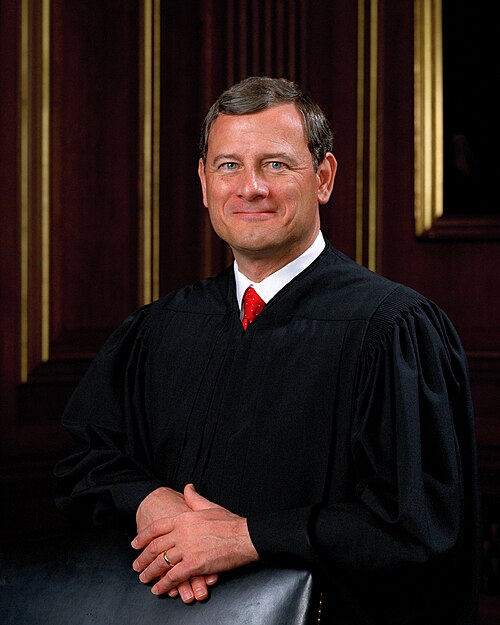
The Supreme Court’s 6–3 ruling found that the president exceeded his authority by using the International Emergency Economic Powers Act of 1977, a law designed for economic responses to national emergencies, to justify sweeping global tariffs without congressional approval. Chief Justice John Roberts, writing for the majority, emphasised that under the Constitution only Congress has the power to lay and collect taxes and imposts, including tariffs, and that the emergency statute did not explicitly grant such sweeping tariff authority to the executive.
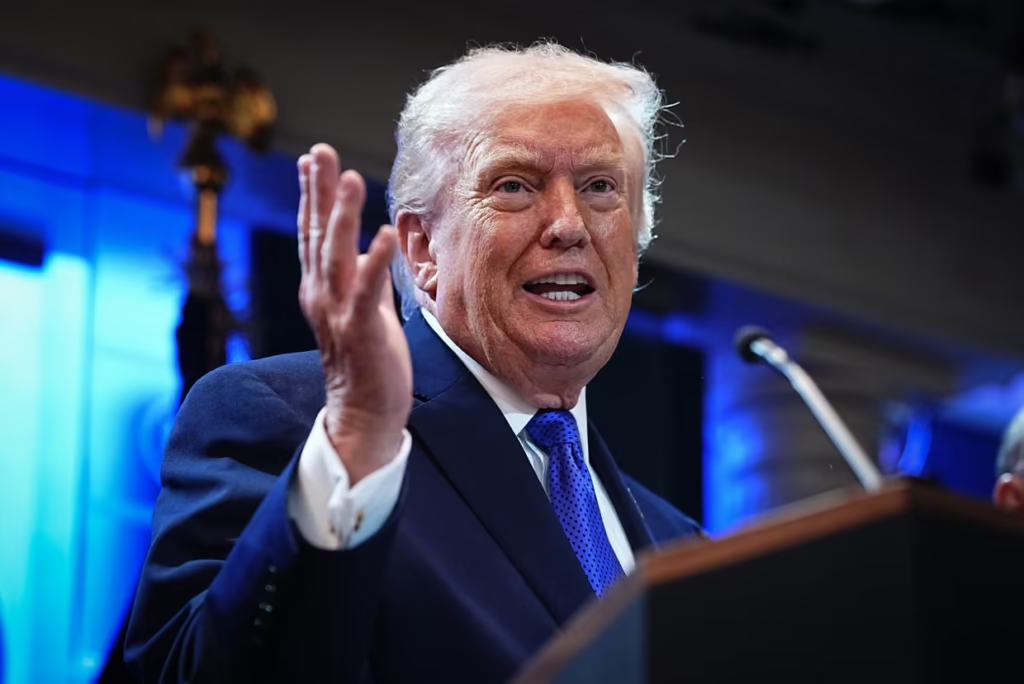
President Trump’s response was unusually confrontational, targeting not only the court’s decision but the individual justices who sided against him. At a White House press briefing, he declared the ruling a disgrace and accused the court, including two of his own appointees, of failing to do what is right for the country. He labelled some justices unpatriotic and disloyal to the Constitution and suggested, without evidence, that foreign influence and political bias had shaped the outcome.
Trump’s remarks reflected deep frustration with the court’s interpretation of executive authority. He specifically criticised Justices Amy Coney Barrett and Neil Gorsuch, both appointed by him, claiming they were an embarrassment and hinting they might be barely invited to future official events. The president also praised the three dissenting justices, Brett Kavanaugh, Clarence Thomas, and Samuel Alito, for opposing the majority ruling.
Despite the judicial setback, Trump acted swiftly to preserve his trade agenda. On the same day as the ruling, he announced he would impose a 10 percent global tariff effective later in the week, set to take effect on 24 February 2026, under Section 122 of the Trade Act of 1974, which allows temporary tariffs to address imbalances in international payments. The move was framed by the White House as a legal alternative to the emergency powers framework rejected by the court.
In a social media post, Trump said he signed the new tariff order from the Oval Office with pride, arguing that this authority would enable him to continue pursuing his broader trade strategy. Officials later clarified that the measure would be temporary and apply to imports from all countries, with some exemptions, while further investigations into trade practices could support additional tariffs.
Administration sources stressed that while the Supreme Court ruling blocks one legal route for imposing tariffs, other statutory authorities remain available. These include trade laws that permit tariffs in response to unfair practices or on national security grounds, although such measures typically require formal investigations and are subject to time limits.
Legal analysts described the ruling as a significant constraint on executive power, reinforcing the principle that major economic measures require clear congressional authorisation. The decision also raised questions about whether the government may need to refund billions of dollars collected under the now invalidated tariffs, an issue the court did not resolve and which is expected to be addressed in lower courts.
The ruling was welcomed by critics of unilateral presidential action, including Democratic lawmakers who said it reaffirmed constitutional checks and balances. Some business groups and economists also expressed cautious approval, noting that clearer legal boundaries help reduce uncertainty in trade policy, even as concerns remain about future tariff actions.
Financial markets reacted with measured volatility. Stock indexes stabilised after initial movements, while the U.S. dollar dipped slightly as investors weighed the implications of reduced executive authority against the likelihood of alternative trade measures. Global trading partners began assessing how the ruling might affect existing agreements and future negotiations, with several governments seeking clarification from Washington.
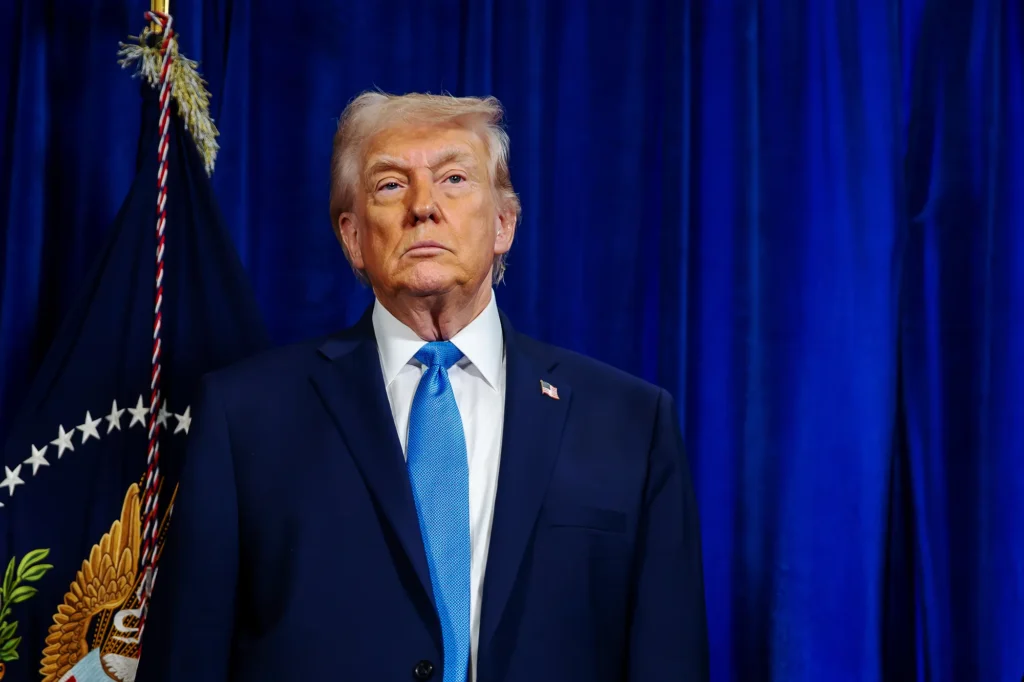
International observers have warned that prolonged disputes over tariff authority risk undermining confidence in global trade frameworks. At the same time, the administration’s determination to continue using trade policy as leverage suggests that uncertainty will persist.
As the Trump administration pivots to alternative legal tools and critics push for greater congressional oversight, the confrontation between the White House and the judiciary has become a defining moment in the debate over presidential power, trade policy, and the constitutional order in the United States.