

The West African Development Bank (BOAD) has begun preparations for its 2026–2030 strategic plan, marking a new chapter in its mission to support sustainable economic development and regional integration across the West African Economic and Monetary Union (UEMOA). The forthcoming strategy, titled “Djoliba, la suite,” will succeed the highly successful 2021–2025 plan and aims to respond to evolving socio-economic challenges in the region with innovative financing solutions and stakeholder-driven priorities.
The strategic planning exercise is being conducted under the leadership of President Serge Ekué, with technical assistance from Boston Consulting Group, a global management consulting firm. This collaborative framework is designed to ensure the new plan is grounded in robust analysis, broad consultation, and practical relevance to changing regional needs.

A seminar to chart the future
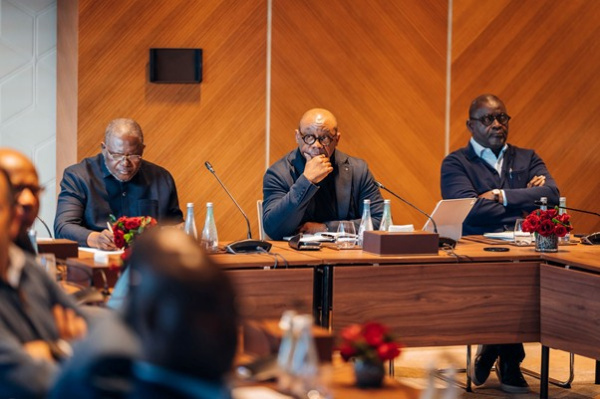
In late January 2026, BOAD convened a strategic seminar in its headquarters in Lomé, Togo, bringing together representatives of its shareholder nations and key private-sector partners. The workshop provided a forum to review implementation outcomes from the outgoing 2021–2025 strategy and to critically assess current economic realities across West Africa. Discussions focused on priority sectors including infrastructure financing, energy transition, climate resilience, private-sector development, agriculture, and digital transformation.
Participants used performance data and regional indicators to refine BOAD’s future intervention focus and strengthen alignment with broader development objectives. This participatory process reflects the bank’s commitment to inclusive planning and stakeholder engagement, a cornerstone for creating impactful, region-wide development strategies.
Building on a strong foundation
BOAD enters the 2026–2030 planning cycle with confidence grounded in the success of its previous strategic framework. According to internal performance reports, the bank excelled during the 2021–2025 period, known as “Djoliba,” achieving 107.4% of its strategic targets and committing approximately US $5.2 billion towards projects across member states. These results were driven by targeted investments in large-scale infrastructure, digital transformation initiatives, food security, and climate adaptation programs.
To support its expanded lending activities, BOAD also strengthened its financial architecture during the past cycle. This included the introduction of hybrid bonds and securitization mechanisms, enhancing the institution’s ability to mobilize long-term capital from domestic and international markets. Notably, BOAD has successfully raised capital through innovative instruments such as a record-breaking US $500 million sustainable hybrid bond issuance and a EUR 1 billion 15-year benchmark bond, underlining investor confidence in its financial model.
Strategic imperatives for 2026–2030
The new strategy is expected to consolidate BOAD’s role as a central development financier in West Africa, with a sharpened focus on addressing persistent and emerging challenges:
- Infrastructure and Connectivity: Continued support for transport networks, energy grids, and regional infrastructure projects critical to economic integration and competitiveness.
- Climate Adaptation and Green Finance: Expanding financing for climate-resilient and sustainable projects, including renewable energy, agricultural resilience, and water infrastructure, supported by partnerships such as the MIGA guarantee program, which channels significant resources into climate finance across the region.
- Private-Sector Growth: Strengthening access to finance for small and medium enterprises (SMEs) and encouraging private investment as a catalyst for job creation and economic diversification.
- Food Security and Social Development: Leveraging BOAD’s recent membership in the Global Alliance Against Hunger and Poverty to deepen efforts in food security financing and technical support for vulnerable communities.
- Digital Transformation: Supporting technological adoption and scaling digital infrastructure to facilitate inclusive economic participation.

Responding to regional dynamics
The planning process unfolds against a backdrop of complex regional challenges, including energy deficits, climate vulnerability, rising public debt, and the need for deeper private-sector engagement. As West African economies navigate these pressures, BOAD’s strategic role will be central to catalyzing investment, fostering resilience, and enabling sustainable growth.
By anchoring its strategy in evidence, consultation, and innovation, BOAD aims to elevate its impact across the eight UEMOA member states, driving inclusive development and reinforcing regional solidarity through shared economic progress.