

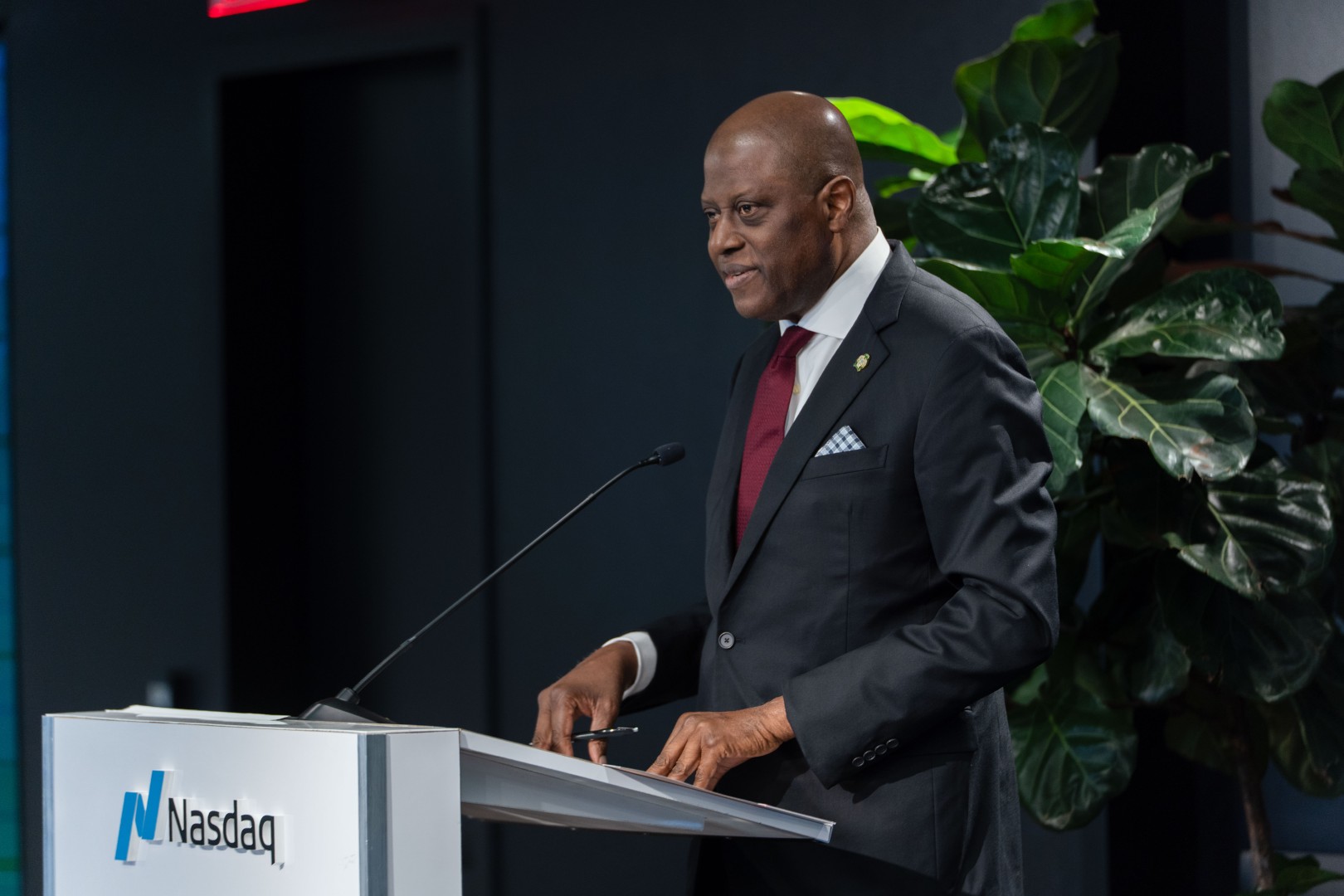
Nigeria is positioning itself as a pioneer in digital finance, leveraging technology to address long-standing inefficiencies in global cross-border payments that have historically sidelined developing economies. At the recent G-24 Technical Group Meetings in Abuja, Central Bank of Nigeria Governor Olayemi Cardoso outlined the country’s strategy to transform a system that is often slow, costly, and fragmented, keeping millions of small businesses and households disconnected from international trade and finance.
Cross-border transactions remain a major barrier for emerging markets. According to Cardoso, remittance corridors typically carry fees exceeding six percent, with settlement delays of several days and cumbersome compliance requirements that disproportionately affect micro, small, and medium-sized enterprises. This fragmentation undermines participation in global markets, perpetuating dependency on reserve currencies and limiting local economic growth.
Nigeria is attempting to change this through the National Payment Stack, a digital infrastructure initiative launched in 2025. Built on ISO 20022 messaging standards, the platform supports multi-currency, instant, and cross-border transactions. The system simplifies know-your-customer and anti-money-laundering requirements for low-value transfers while enabling new diaspora accounts, making it easier for small businesses and households to engage in global commerce. Early results are promising: remittance inflows now average around $600 million per month, with a target of reaching $1 billion monthly in the near term.

Governor Cardoso emphasized that the effort is about more than efficiency; it is about financial sovereignty. By enabling local-currency settlement and reducing dependence on dominant reserve currencies, Nigeria seeks to give emerging markets greater control over their economic futures while fostering South-South trade. The initiative draws lessons from India’s Unified Payments Interface and Brazil’s instant payment systems, which have demonstrated the potential of interoperable, rapid-settlement platforms to broaden access to finance and reduce costs.
Finance Minister Wale Edun echoed this view, stressing the global context that makes digital payment reforms urgent. Many developing countries face debt distress, limited access to capital markets, and rising borrowing costs, which constrain public investment in infrastructure, health, education, and climate resilience. Edun warned that fragmentation in the international financial system could reduce global output by up to two percentage points, with Africa likely to bear the brunt due to its limited integration into global trade networks.
To counter these challenges, Nigeria is advocating for a broader overhaul of the global financial system. This includes stronger support from the International Monetary Fund, expanded concessional lending, and mechanisms that enable financing in local currencies. By shifting from debt-driven growth to an investment-led model, Nigeria aims to achieve seven percent GDP growth, increase investment to thirty percent of GDP, and strengthen fiscal resilience, while empowering SMEs and households to fully participate in global markets.

While digital finance offers a historic opportunity, Cardoso cautioned that uncoordinated efforts risk entrenching dominant currencies and platforms, increasing costs, and undermining monetary sovereignty. He urged central banks to take the lead in ensuring interoperability, stability, and inclusiveness in next-generation payment systems. Iyabo Masha, Director and Head of the G-24 Secretariat, framed the challenge as one of “measured resilience but constrained ambition,” highlighting the persistent fiscal and debt pressures that developing nations face while trying to accelerate growth and meet climate and infrastructure goals.
Nigeria’s approach is therefore both strategic and transformative. By modernizing payments, the country seeks not only to make remittances and cross-border trade faster and cheaper but also to reshape global finance so that developing economies can operate on their own terms. If successful, this could expand trade, strengthen regional integration, and create a more equitable system for billions of people in Africa, Asia, and Latin America who have historically been excluded from full participation in international commerce.