

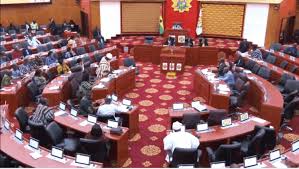
Digital harassment against female Members of Parliament in Ghana has drawn sharp criticism from gender rights advocates, who argue that online abuse undermines democratic engagement and discourages women from meaningful participation in public life. The Gender Centre for Empowering Development has publicly condemned the increasing instances of cyberbullying and digital hostility directed at women in Parliament, warning that such behaviour not only harms individuals but erodes Ghana’s democratic values.
In a statement issued in Accra, the organisation highlighted the case of Hon. Millicent Amankwah Yeboah, MP for Sunyani West, who has been subjected to sustained online abuse. According to the Centre, the attacks against her have included derogatory comments, personal insults, and ridicule of her speech and competence. These abusive messages often target her gender and demean her contributions in Parliament, reflecting what GenCED describes as deep seated gender bias within digital spaces.

GenCED’s concerns echo broader research showing that women generally experience higher levels of discomfort and fear in online public spaces, particularly when expressing opinions on contentious issues. Studies have found that online harassment disproportionately affects women, making them less comfortable engaging in political discourse online, a trend that can dampen female voices in democratic debates and civic engagement.
Scale of online abuse against women in public life
The organisation cited data indicating that between August 2024 and March 2025, there were at least 583 recorded incidents of online gender based violence targeting women in public life across major social media platforms. These incidents, logged by monitoring groups such as the Media Foundation for West Africa, included abuse aimed at female politicians, public figures, and women who speak out on political issues.
Another survey conducted by UNICEF’s U Report found that 49 percent of young Ghanaians have personally experienced online violence, often leading to emotional distress and reluctance to engage in digital public discourse. These trends reinforce the idea that internet spaces, while important for civic participation, can also be sites of intimidation and exclusion, particularly for women.
The surge in cybercrime complaints reported by Ghana’s Cyber Security Authority further highlights the extent of the challenge. Data for 2025 shows a sharp increase in cases involving online harassment and cyberbullying, which remain among the most frequent offences reported in the country’s digital realm.
Gendered Harassment and Democratic Inclusion
GenCED emphasised that digital abuse against women MPs should be understood not merely as unfortunate behaviour but as a form of gender based political violence that threatens inclusive governance. When women are attacked for their speech, personal style, or presence in public office, it sends a discouraging signal to other women and girls considering political engagement. This dynamic undermines efforts to achieve gender equality in decision making roles and limits the diversity of voices within democratic processes.
The organisation highlighted that Ghana’s existing legal framework, including the recently enacted Cyber Crimes Act, 2025, as well as provisions under the Cybersecurity Act, 2020, already criminalises acts of online harassment and cyberbullying. These laws prescribe penalties for individuals who use digital platforms to humiliate, insult, or threaten others. However, GenCED argues that enforcement has been weak, allowing perpetrators to act with relative impunity.
Calls for stronger action and accountability
In its statement, GenCED laid out a series of recommendations to address the growing problem of online harassment and make digital spaces safer for women. The organisation urged political parties and state institutions to condemn misogynistic and abusive behaviour in digital discourse and support efforts to protect elected officials from digital intimidation.

Law enforcement agencies and regulatory bodies were called upon to apply existing cybercrime laws more decisively against offenders, ensuring that online abuse does not go unpunished. By holding digital harassers accountable, authorities can help deter future incidents and reinforce standards of respectful public engagement.
GenCED also appealed to media organisations and online platforms to improve their moderation systems and promote digital literacy among users. Strengthening content moderation and educating internet users about respectful engagement can reduce the prevalence of gender based abuse and create a more inclusive online environment for political discourse.
Promoting constructive digital dialogue
Beyond institutional responses, GenCED urged ordinary citizens to reject misogynistic attacks online and to focus discussions on policies and public interest rather than personal attacks. The organisation stressed that respectful debate and diversity of thought are essential to consolidating democracy in Ghana, and that women, including MPs like Millicent Amankwah Yeboah, have a constitutional mandate to serve without fear of digital intimidation.
As Ghana continues to expand its digital participation, addressing the challenges posed by online harassment will be critical to ensuring that all voices, especially those historically marginalized, can contribute to democratic conversations on equal footing.