

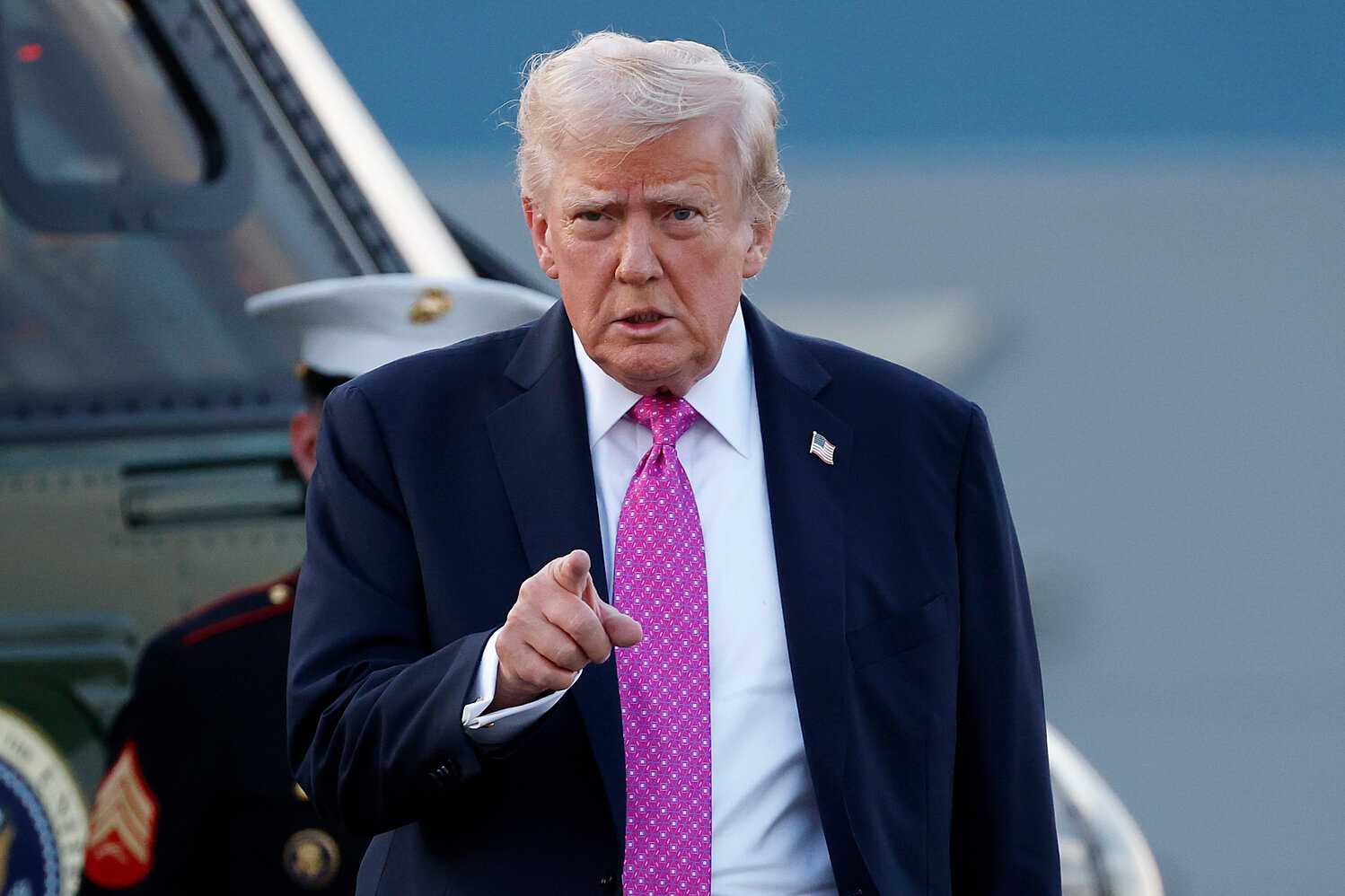
Reports from multiple news outlets indicate that the United States military is prepared for possible strikes on Iran, with significant American air and naval forces deployed in the Middle East even as President Donald Trump deliberates whether to order military action. The situation reflects intensifying tensions between Washington and Tehran, driven by disagreements over Iran’s nuclear programme, the collapse of direct negotiations and a backdrop of broader regional instability.
According to reports, the US military has positioned carrier strike groups, including forces associated with the USS Abraham Lincoln and USS Gerald R. Ford, in strategic locations within striking distance of Iranian territory. These deployments are part of a broader escalation of military readiness meant to put pressure on Iran to curb its nuclear ambitions. Trump’s administration has repeatedly stated a willingness to use force if diplomacy fails to achieve meaningful concessions from Tehran, although the president has not yet given a final order for an attack.

The potential use of force comes amid indirect talks in Geneva between Iranian and US representatives, intended to address longstanding disputes over Iran’s nuclear activities. Despite ongoing discussions, progress has been described as limited, with both sides maintaining firm positions. Iranian officials have reportedly signalled willingness to engage in talks, but have resisted presenting proposals that would satisfy US demands, prompting Trump administration officials to establish a deadline at the end of February for substantive concessions.
Diplomatic engagement appears to be ongoing, albeit fraught. Public comments from the White House have emphasised that diplomacy remains a priority, with spokespeople asserting that negotiations are still the preferred path and urging Iran to “make a deal.” At the same time, officials have not ruled out military action, and the readiness of US forces suggests that preparations continue in parallel with diplomatic efforts.

The positioning of US military assets underscores concerns among policymakers that Iran’s nuclear programme, if left unchecked, could pose a significant threat to regional security. Israel, a key US ally in the region, is reportedly coordinating with US officials on contingency planning, and some reports suggest that a coordinated US Israeli offensive could be considered if diplomatic efforts collapse. Such an operation could last for weeks and involve a broad range of targets, including nuclear and missile infrastructure.
Meanwhile, Iran has continued to project its own readiness and willingness to defend against external threats. Tehran’s leadership has issued provocations and rhetoric critical of US intentions, with statements indicating that Iran would not back down in the face of pressure. Provocative actions, including military exercises and symbolic gestures, have contributed to an atmosphere of heightened apprehension on both sides.
International responses to the prospect of escalation have been mixed. Russia has issued warnings against any unilateral military action, stressing that attacks could destabilise the broader Middle East and spark widespread conflict. Other global actors have also emphasised the importance of diplomacy and restraint, urging both Washington and Tehran to pursue negotiations and avoid actions that could trigger a larger war.
The potential for conflict has raised concerns among allies and partners around the world. A military strike on Iran could have consequences far beyond the immediate region, affecting global energy markets, international trade routes and geopolitical alliances. Markets have already reacted to signs of tension, with fluctuations in oil prices reflecting fears that wider disruption could impact production and distribution.
Analysts have noted that Trump’s willingness to consider military action forms part of a broader foreign policy approach characterised by a combination of diplomacy backed by credible force. While his administration articulates diplomatic overtures as the first choice, the bolstering of military presence sends a clear signal of intent and deterrence. This dual approach reflects a long standing strategy in US foreign policy that seeks to couple negotiation with pressure.

At the same time, Iran’s internal dynamics, including protest movements and political pressures, factor into the calculus in Tehran. Iranian leaders have shown resilience in maintaining their positions, while also indicating that they do not seek war. Domestic priorities, economic sanctions and geopolitical calculations all influence how Iran balances external threats against internal stability.
As the potential end of February deadline approaches, all eyes remain on how negotiations and military posturing evolve. Whether Trump ultimately orders a strike, or whether diplomacy can produce a breakthrough agreement, will have profound implications for both US Iran relations and wider stability in the Middle East. The coming days are expected to be critical in determining the trajectory of this high stakes geopolitical confrontation.