

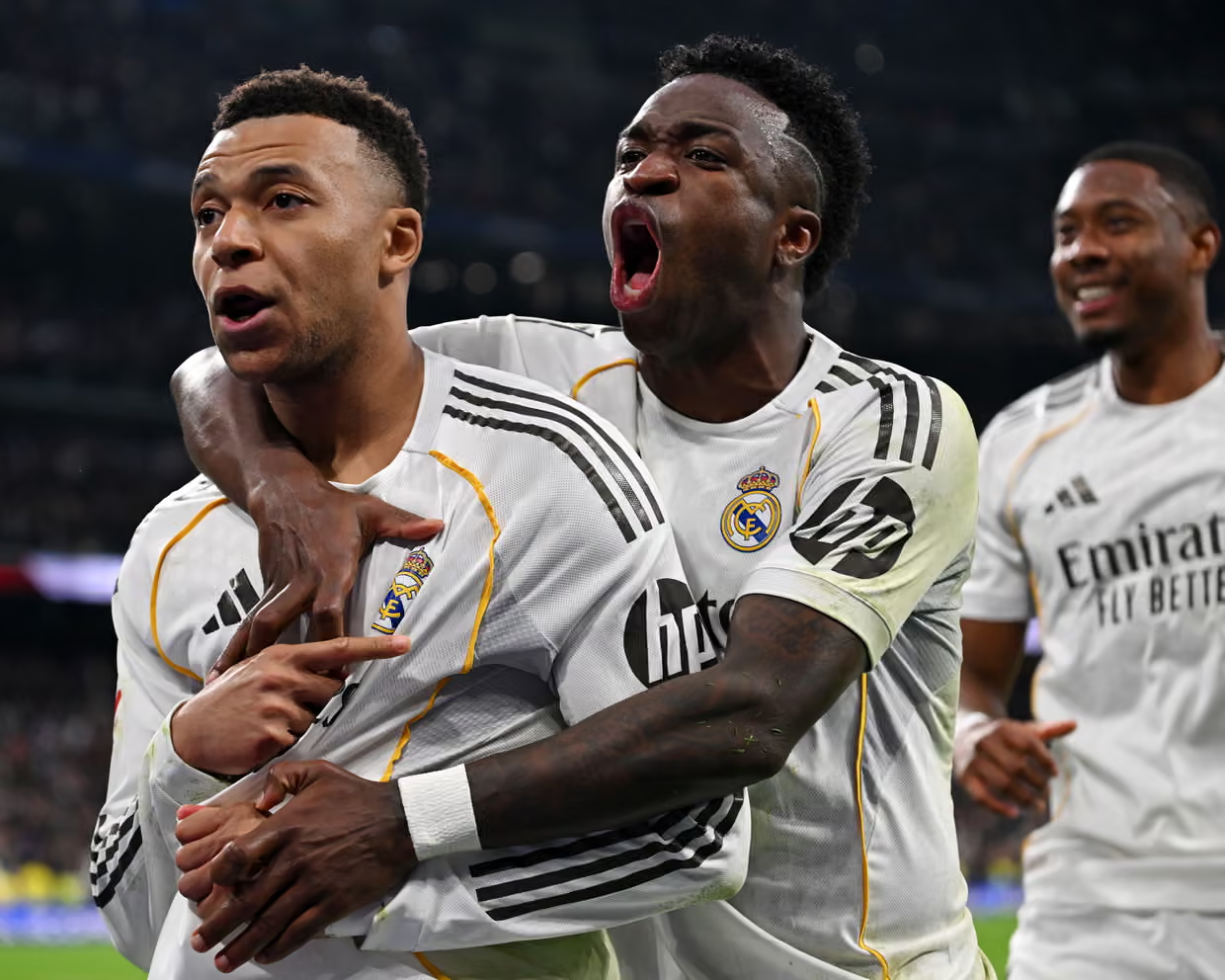
Real Madrid, one of European football’s most storied clubs and record holders with 15 UEFA Champions League titles, finds itself at a pivotal moment that demands bold reflection and strategic evolution. After a 4-2 defeat to Benfica in their final league match before the Champions League playoffs, Los Blancos will enter European contention at a stage they would traditionally have expected to avoid, forcing introspection about their identity, tactical approach, and managerial leadership.
The defeat to Benfica has cast uncertainty over Real Madrid’s campaign, not just for the immediate challenge of progressing in Europe but also for how they balance domestic and continental ambitions. Placed in the Champions League playoffs for a second consecutive season, this represents a departure from the automatic qualification and relative security that fans and pundits have come to expect from a club of such stature.
At the heart of the discussion is the concept of reinvention, both in how Real Madrid plays and in how it balances star power with system and structure. Historically, the club’s success under managers like Carlo Ancelotti and Zinedine Zidane stemmed from a blend of tactical clarity and the ability to manage egos in a dressing room saturated with world class talent. These managers commanded respect and imposed systems that unified individual brilliance into cohesive collective performances.
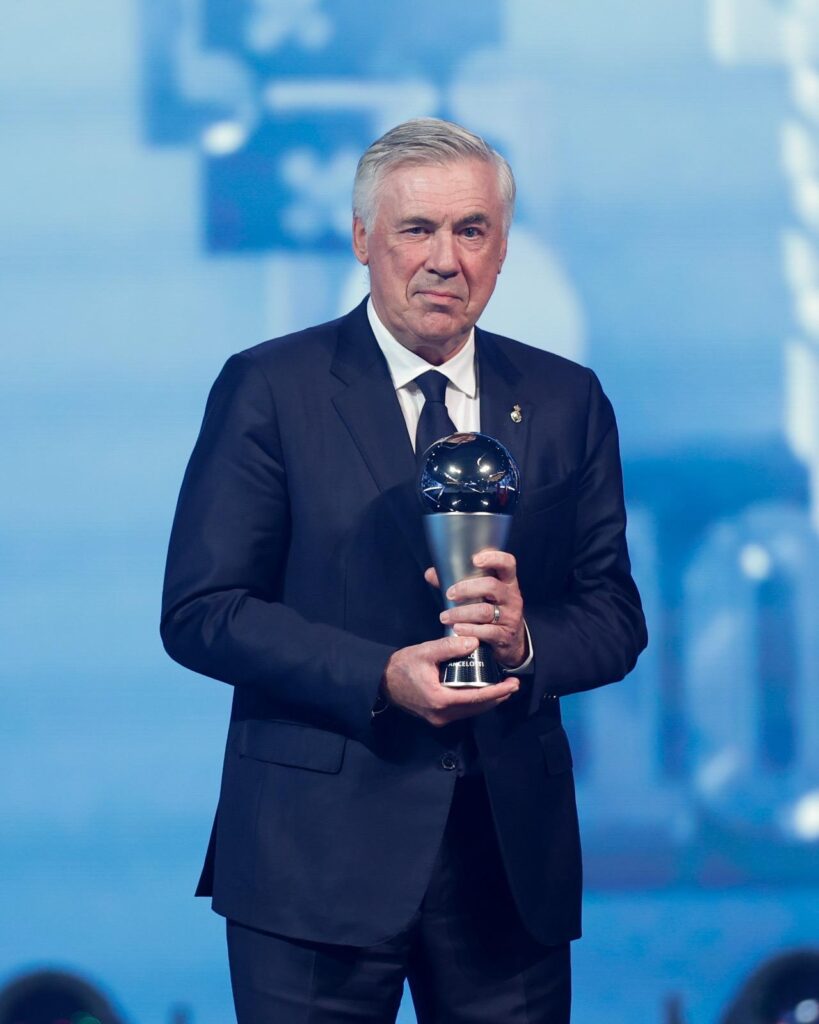
Ancelotti’s multiple tenures at the Bernabéu produced trophies and memorable moments, reinforcing Real’s legendary status. But the current iteration of the team has struggled to recapture that balance consistently. The Benfica loss underlined deeper issues, as Real appeared tactically exposed and vulnerable to dynamic, cohesive opponents, a stark contrast to its usual brand of controlled dominance.
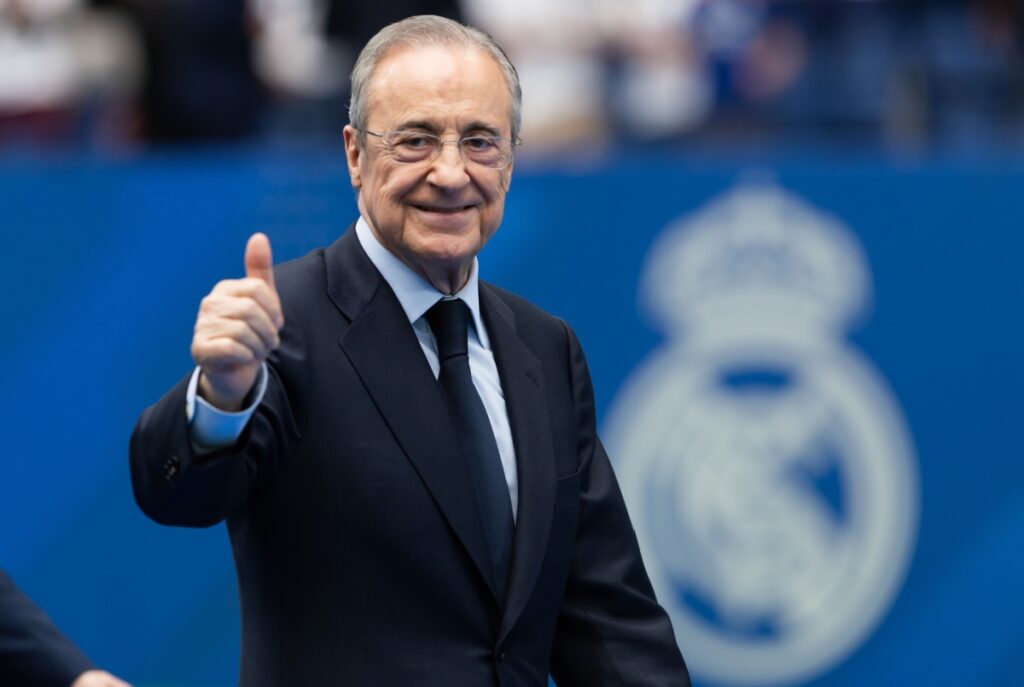
The challenge now facing Real Madrid extends beyond personnel on the pitch. It touches on culture, recruitment, and decision making at the top. Club president Florentino Pérez has long favoured star signings and attacking flair, but critics argue that this philosophy must be paired with sharper tactical design and stronger day to day leadership. Champions League campaigns demand both quality and structure, and without a coherent long term vision, Real’s glittering reputation risks being undermined.
Part of this reinvention involves grappling with managerial direction. Real’s recent approach has oscillated between nostalgic reliance on familiar figures and short lived experimentation. Coaches with strong identities and tactical philosophies, such as those brought in to succeed Ancelotti, have found it difficult to impose consistent control in an environment long defined by high expectations and a premium on attacking freedom.
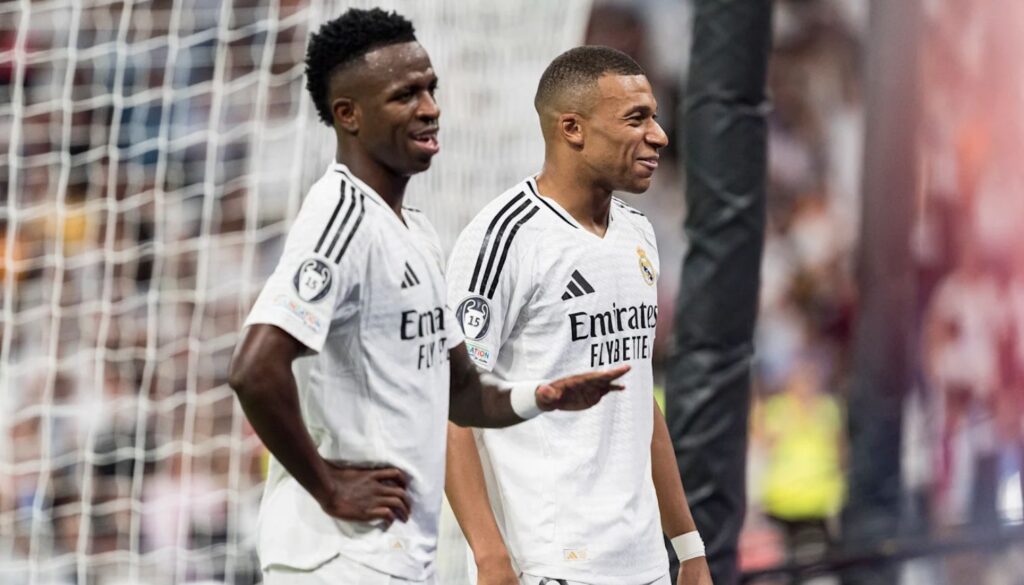
Real’s current league position and European standing raise broader questions about how the club manages transitions between eras. Superstars such as Kylian Mbappé and Vinícius Júnior continue to spearhead the team’s attacking threat, but football at the highest level increasingly rewards disciplined tactical systems and holistic team organisation. Many observers believe Real must redefine its approach to integrate these elements without sacrificing its celebrated attacking identity.
Contrasting managerial legacies also frame the current discourse. Legendary coach José Mourinho, who once brought domestic success and strategic discipline to Real Madrid, is often cited as a figure who could impose greater structure, though his methods were similarly polarising and ultimately unsustainable in the long term. Mourinho’s tenure, known for tactical pragmatism and psychological intensity, offers lessons but also caveats about fitting a singular philosophy into Real’s culture.
Indeed, Mourinho himself has reflected positively on his time at the club, describing it as “tough, intense, almost violent,” emphasising the emotional and competitive challenges of managing in Madrid. His view underscores the complexity of leading a club where the demands of fans, media, and management converge in extreme pressure scenarios.
Looking ahead, Real Madrid’s immediate focus remains on navigating the Champions League playoffs and securing a favourable outcome against Benfica. Success in Europe would ease scrutiny and buy valuable time for deeper structural planning. However, if further struggles continue, pressure will mount to recalibrate the club’s overarching strategy, potentially affecting recruitment, coaching structure, and tactical identity.
In Spain’s La Liga, where competition remains intense and rivals such as Barcelona and Atlético Madrid vie for supremacy, Real’s position at the top of the table is not a guarantee of long term dominance. The dual challenge of domestic consistency and European resurgence will require strategic clarity, adaptability, and unity within the squad.
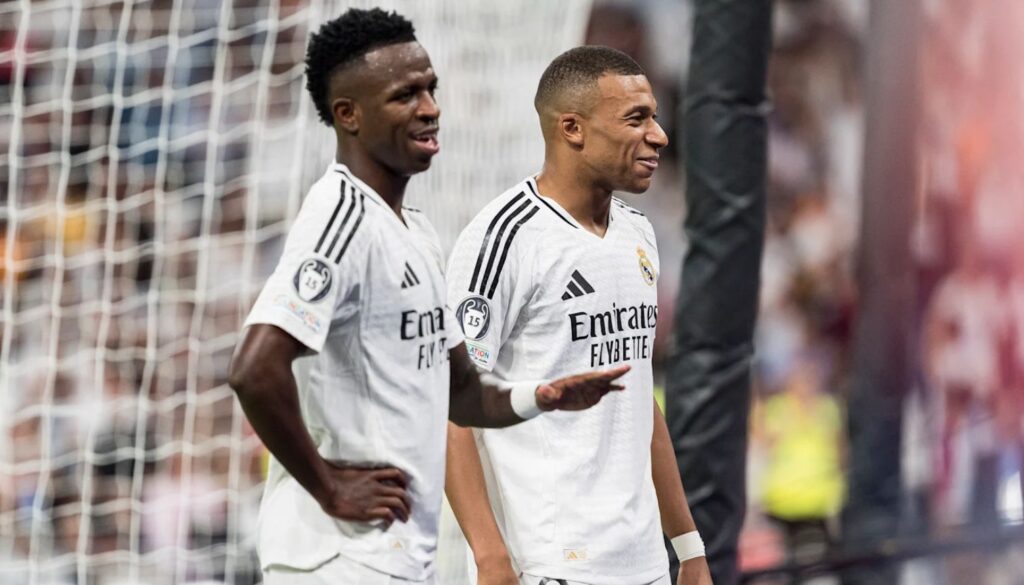
Ultimately, the story of Real Madrid’s reinvention is about more than winning matches. It is about preserving the club’s historic legacy while adapting to the evolving demands of modern football. Balancing star power with tactical intelligence will be essential, and how Real navigates this period could define its trajectory for years to come.