

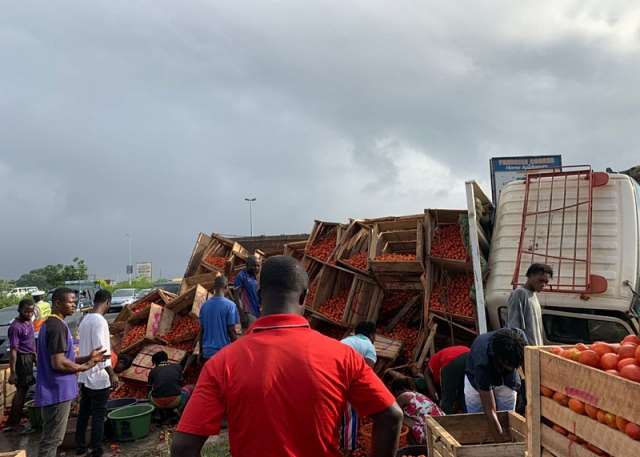
At least seven Ghanaian nationals have reportedly been killed or were caught up in a terrorist attack in Burkina Faso’s northern town of Titao, according to preliminary government and media reports. The incident, which occurred on Saturday, February 14, 2026, involved a truck carrying Ghanaian tomato traders that was struck during a violent extremist assault in an area long plagued by jihadist insurgency and militant activities. Confirmation of precise casualties and details of the attack remains ongoing as authorities gather verified information from the scene.
The Government of Ghana issued a statement on Sunday, February 15, 2026, through the Ministry of the Interior and National Security, confirming that disturbing reports had been received from Burkina Faso describing the attack. The Ministry’s release said the truck carrying Ghanaian tomato traders was caught up in the assault near Titao, a northern town in the Loroum Province that has experienced increasing insecurity in recent years as jihadist groups expand their reach.
Details of the attack
According to official statements, the attack was apparently part of a larger extremist operation that also targeted a military installation in Titao. Burkinabe security sources told international media that jihadist groups launched coordinated attacks on multiple army detachments around the same period, including in Titao, as part of a broader escalation in violence that has hit Burkina Faso’s armed forces and civilian populations. In some of these clashes, installations were reportedly damaged, and fatalities were reported among soldiers and civilian volunteers alongside the attack on the traders’ vehicle.
Titao is located near Burkina Faso’s border regions that have seen persistent militant violence linked with jihadist groups such as Jama’at Nusrat al-Islam wal Muslimin (JNIM) and factions affiliated with the Islamic State in the Greater Sahara (ISGS). These extremist organisations have conducted numerous deadly attacks across the Sahel, exploiting porous borders and weak state control to strike military targets, convoys, and civilians alike.
The chaotic nature of the attack has hindered immediate verification of casualty figures. Ghanaian officials and diplomatic missions are coordinating with Burkina Faso authorities to visit the site, gather comprehensive information, and identify those affected. Efforts to confirm the number of fatalities, including the reported Ghanaian victims, are still underway amid security concerns in the Titao region.
Government response and diplomatic engagement
In response to the incident, the Government of Ghana has engaged its Embassy in Burkina Faso to liaise with local and national authorities on the ground. The embassy has been tasked with verifying details of the attack and identifying any Ghanaian citizens caught up in the violence. Officials emphasised that more accurate information will be shared as it is confirmed, and efforts are underway to provide assistance to affected individuals and their families.
Minister for the Interior and National Security, Muntaka Mohammed-Mubarak, described the news as “disturbing” and said the government was closely monitoring developments. In the statement, he confirmed that the Ghanaian diplomatic mission in Burkina Faso was actively coordinating with Burkinabe officials to visit the scene and gather details that will clarify the extent of the impact on Ghanaian nationals.
Communication from Ghanaian authorities has also sought to reassure the public that no definitive casualty figures have yet been confirmed, and that verification is still a priority. The Ministry stressed that official updates will be issued only once reliable and confirmed information becomes available from the site of the attack.
Security context in Burkina Faso and risks for traders
Burkina Faso’s security crisis has deep roots in the Sahel insurgency, which intensified in the mid-2010s as extremist groups linked to al-Qaeda and the Islamic State began operating across northern Mali before expanding into Burkina Faso and Niger. Since then, the violence has killed tens of thousands of civilians, soldiers, and volunteers, displaced millions, and led to periodic outbreaks of violence that disrupt civilian life and economic activity.
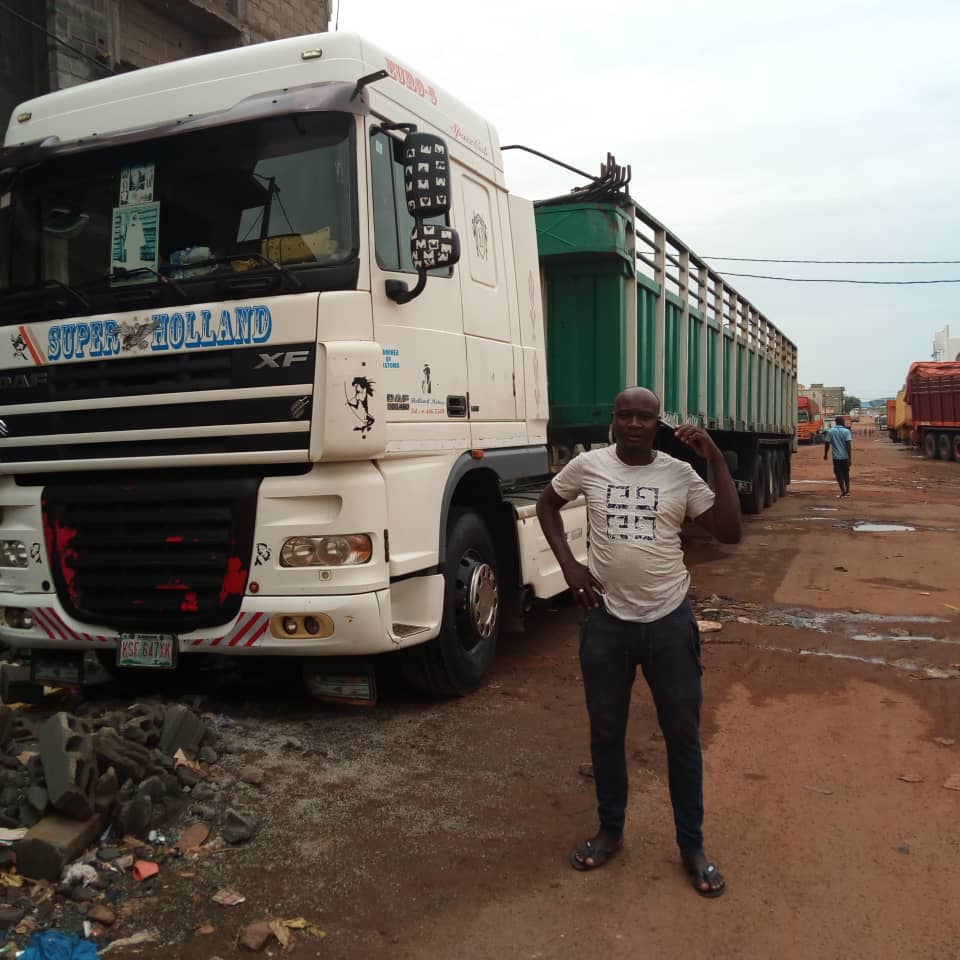
The violence has had a severe impact on cross-border trade, particularly for Ghanaian tomato traders and others who travel northwards in search of markets. Tomato trading has long been an important economic activity for smallholder traders from northern Ghana, who transport produce across borders to meet demand in Burkina Faso and beyond. However, the heightened insecurity has made these journeys increasingly perilous, with incidents of ambushes, attacks on convoys, and militant violence creating dangerous conditions for traders.
While earlier incidents of armed violence against traders in the region were sometimes linked to criminal attacks or banditry in the past, the current climate of pervasive extremist violence has elevated risk levels, with jihadist groups frequently targeting civilian vehicles, military convoys, and infrastructure. This has prompted civil society groups to call for greater protection measures for cross-border commerce and humanitarian support for affected communities.
Impact on Ghanaian families and communities
The reported deaths and involvement of Ghanaian nationals in the Titao attack is expected to have far-reaching human and economic implications. Families in Ghana who rely on income from cross-border tomato trading risk losing breadwinners, and the wider trading community may be deterred from pursuing such livelihoods amid growing insecurity. Civil society leaders and community organisations have expressed concern over the wellbeing of traders and the ongoing threat to lives and economic security.
There are also broader concerns that attacks of this nature could discourage other forms of cross-border economic activity, further isolating fragile regional economies that depend on trade and movement of goods for stability and growth. Producers, transporters, and markets across northern Ghana and Burkina Faso are interconnected, meaning that heightened risk has ripple effects beyond immediate victims.
As diplomatic efforts continue and Ghanaian officials work to ascertain full details of the Titao attack, attention will be on verifying casualty figures, confirming identities of those affected, and ensuring that support is provided to victims’ families. The incident highlights the devastating human toll of ongoing extremist violence in the Sahel and underscores the challenges faced by ordinary civilians, including traders, who must navigate a landscape marked by persistent threats.
The focus remains on international cooperation, enhanced security measures, and sustained diplomatic engagement to protect citizens abroad and to address the root causes of violence that continue to destabilise Burkina Faso and neighbouring countries.