

AMD is steadily eroding Intel’s dominance in both the personal computer and server processor markets, according to industry analysts, as the chipmaker’s advanced CPU and GPU technologies drive strong adoption across enterprise and consumer segments. Investor confidence in AMD’s growth was reflected in a spike in its stock price following reports of increasing market share.
Analysts at Wall Street note that AMD’s momentum stems from its Ryzen and EPYC processor lines, which have delivered significant performance gains over Intel’s latest offerings, particularly in multi-threaded workloads and energy efficiency. The shift is most notable in server deployments, where AMD’s EPYC chips have captured a growing portion of data center contracts with cloud providers, enterprise IT infrastructure, and high-performance computing projects.
AMD’s success in PCs has also accelerated, driven by the popularity of its Ryzen 7000 series processors and new graphics cards that appeal to gamers, content creators, and professional users. The combination of competitive pricing, superior performance, and efficiency has encouraged PC OEMs to increasingly adopt AMD chips in desktops, laptops, and workstations.
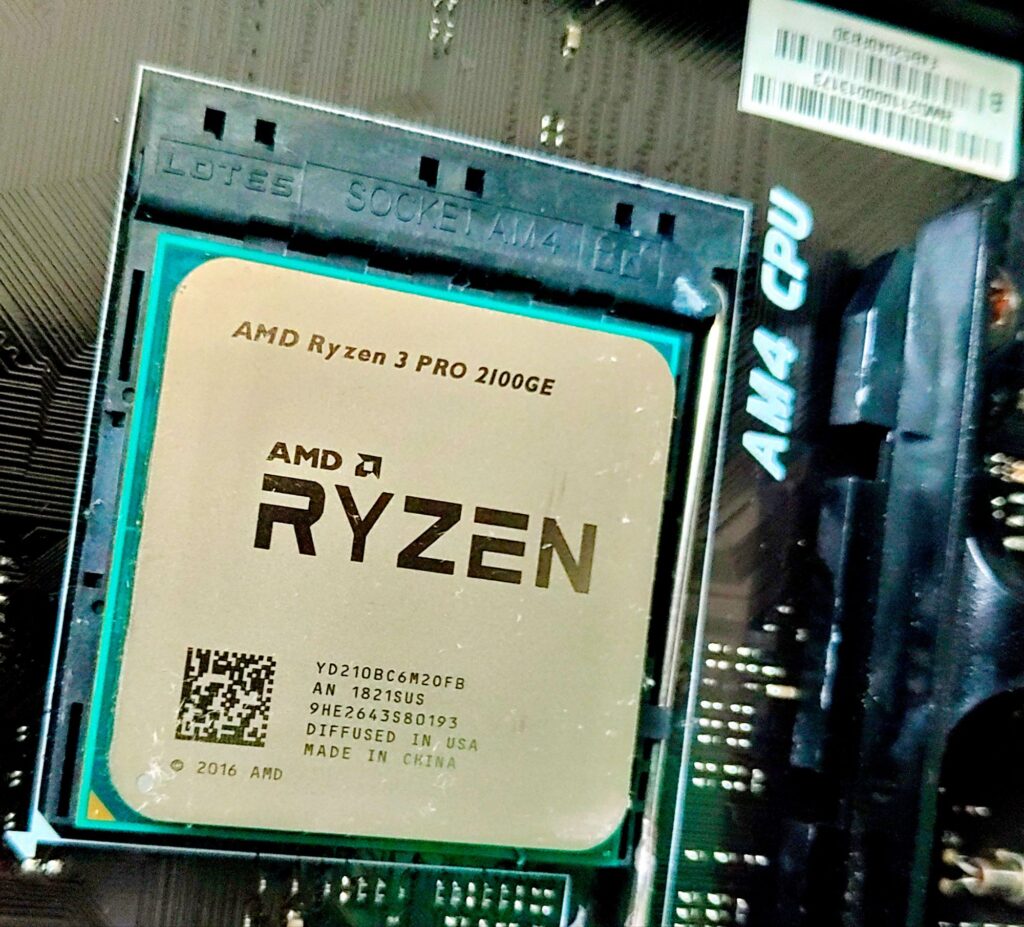
Intel, historically the market leader in both sectors, continues to respond with innovations in its Alder Lake and Raptor Lake CPU families, but AMD’s aggressive roadmap and ongoing performance leadership are pressuring Intel’s market share. According to analysts, AMD’s share in server processors rose by nearly 10% in the past year, while its desktop CPU share grew steadily across consumer segments, signaling a notable shift in the competitive landscape.
Industry observers point to AMD’s focus on chiplet design architecture and advanced 7nm and 5nm fabrication processes as key differentiators, allowing the company to deliver high-performance products without significantly increasing power consumption. This advantage is particularly attractive to data centers seeking to optimize efficiency and reduce operational costs.
The trend has important implications for the broader semiconductor industry. As AMD captures more clients, Intel faces increasing pressure to accelerate development cycles and improve performance-per-watt metrics to maintain relevance. The rivalry is likely to drive further innovation in processor design, benefiting end-users through more powerful and efficient computing solutions.

Wall Street analysts remain bullish on AMD, citing its consistent ability to execute on product development and expand market penetration. Investor sentiment reflected this optimism, with AMD shares rising following the announcement of its market share gains and renewed confidence in the company’s growth trajectory.
As AMD continues to challenge Intel across PCs and servers, the tech ecosystem is entering a new era of competition, potentially reshaping hardware procurement strategies for enterprises, cloud providers, and individual consumers worldwide.