

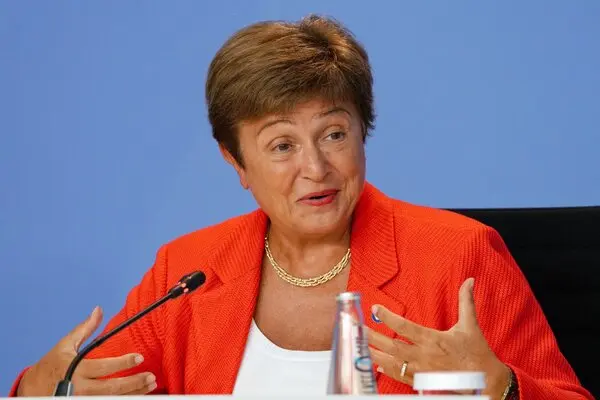
The Managing Director of the International Monetary Fund (IMF), Kristalina Georgieva, has emphasised the pivotal role that deeper economic integration between North Africa, Europe, and the wider African continent could play in accelerating growth and lifting gross domestic product (GDP) by more than 7 percent. Speaking at the North Africa: Connecting Continents, Creating Opportunities conference in Algiers, Algeria, in early February 2026, Georgieva highlighted that North Africa’s strategic position, both geographically and economically, positions it as a critical link between the European Union and sub-Saharan Africa, with significant potential to expand trade, investment, and shared prosperity across regions.
The IMF chief pointed to a new analysis published by the Fund that reveals economic benefits from comprehensive trade and integration reforms could boost North Africa’s export levels by approximately 16 percent and increase the region’s GDP by an estimated over 7 percent, representing a potential US$67 billion uplift in economic output. To realise these gains, Georgieva urged policymakers and regional economic actors to strengthen trade ties, harmonise regulations, and pursue strategic investments that maximise North Africa’s natural advantages.
North Africa’s strategic role and regional linkages
North Africa occupies a unique position as a bridge between Europe and the rest of Africa, historically marked by longstanding trade and investment connections with European economies. This strategic location provides opportunities to serve as both a market for European goods and services and a gateway for sub-Saharan African exports and resources into European value chains. However, despite this potential, intra-African trade, including exchanges between North and sub-Saharan Africa, remains relatively low, with exports between these regions accounting for only a small fraction of total African trade.
At the conference, Georgieva noted that average import tariffs in North Africa, standing around 7 percent, are higher than those in several other regions such as ASEAN countries, the Gulf Cooperation Council (GCC), the European Union and parts of sub-Saharan Africa. Reducing tariff barriers, enhancing logistics infrastructure, and fostering predictable business environments are among the key steps recommended by the IMF to unlock greater economic integration.

Moreover, improvements in cross-border transportation networks, such as railways and highways linking North Africa with sub-Saharan corridors, could significantly lower trade costs and improve competitiveness, enabling goods to move more quickly and efficiently throughout the continent and into European markets. Investments in customs modernisation, port upgrades, and streamlined regulatory frameworks were underscored as critical foundations for strengthening regional value chains and supporting export-oriented growth strategies.
Leveraging energy, infrastructure, and human capital
Part of the IMF’s emphasis also lies in tapping North Africa’s abundant energy resources and infrastructure potential to support deeper economic linkage with both Europe and Africa. North Africa possesses significant solar, wind and hydrocarbon resources that could contribute to regional power markets and support Europe’s clean energy transition while addressing electricity deficits in parts of sub-Saharan Africa. Coordinated infrastructure projects, such as expanding energy interconnections and developing renewable energy corridors, are seen as pathways to catalyse industrialisation and broader economic participation.
Another aspect highlighted by the IMF is the need to invest in human capital. North Africa already boasts relatively strong education levels and workforce capabilities compared with many other regions. By strengthening vocational and technical training, improving digital skills, and enhancing healthcare systems, the region can better position itself to meet the demands of modern economic sectors. These investments could elevate productivity, promote innovation, and attract foreign direct investment seeking skilled labour pools and competitive production environments.
Connections with broader African trade trends
Efforts to deepen trade linkages between North Africa and Europe align with broader trends towards African economic integration. Reports from organisations such as the African Export-Import Bank (Afreximbank) indicate that intra-African trade has been on the rise, with trade within the continent increasing notably in recent years as a result of the implementation of the African Continental Free Trade Area (AfCFTA). Strengthening internal African trade flows, which accounted for about 15 percent of the continent’s total trade in 2023, is part of a larger objective to build resilient intra-regional markets, diversify exports, and reduce dependency on traditional commodity-based trade patterns.
If seamlessly integrated, North Africa’s trade expansion with Europe and sub-Saharan Africa could complement the gains from AfCFTA by creating more extensive value chains spanning diverse regions. Trade integration could facilitate greater industrial diversification, promote competitive manufacturing sectors, and expand the reach of African goods and services on global markets.
Challenges and Policy Considerations
Despite the opportunities, overcoming structural challenges remains essential. Regional infrastructure deficits, regulatory fragmentation, and varying levels of economic development across African regions can impede the seamless flow of goods, capital, and services. Coordinated policy reforms that harmonise trade standards and regulatory frameworks are needed to reduce transaction costs and build investor confidence.

Furthermore, the IMF’s call reflects a broader context in which Africa’s overall growth remains below the levels needed for rapid transformation. According to other multilateral forecasts, while African economies have shown resilience and modest growth, average GDP growth rates still fall short of the 7 percent threshold often associated with significant poverty reduction and job creation. Strengthening economic linkages and promoting sustainable trade integration are seen as critical components in closing this gap and building momentum for higher growth trajectories.
A Forward-Looking Agenda
The IMF’s message from Algiers was clear: greater cooperation on trade, investment, and regional integration could translate into meaningful economic gains for North Africa, sub-Saharan Africa, and Europe alike. Unlocking these gains requires targeted reforms, strategic investments in infrastructure and human capital, and an inclusive approach to policy implementation that benefits businesses and consumers across borders.

As global trade patterns continue to evolve amid shifting geopolitical and economic landscapes, North Africa’s ability to leverage its unique position could profoundly influence growth prospects not only within the region but across the broader African continent and its European partners.