

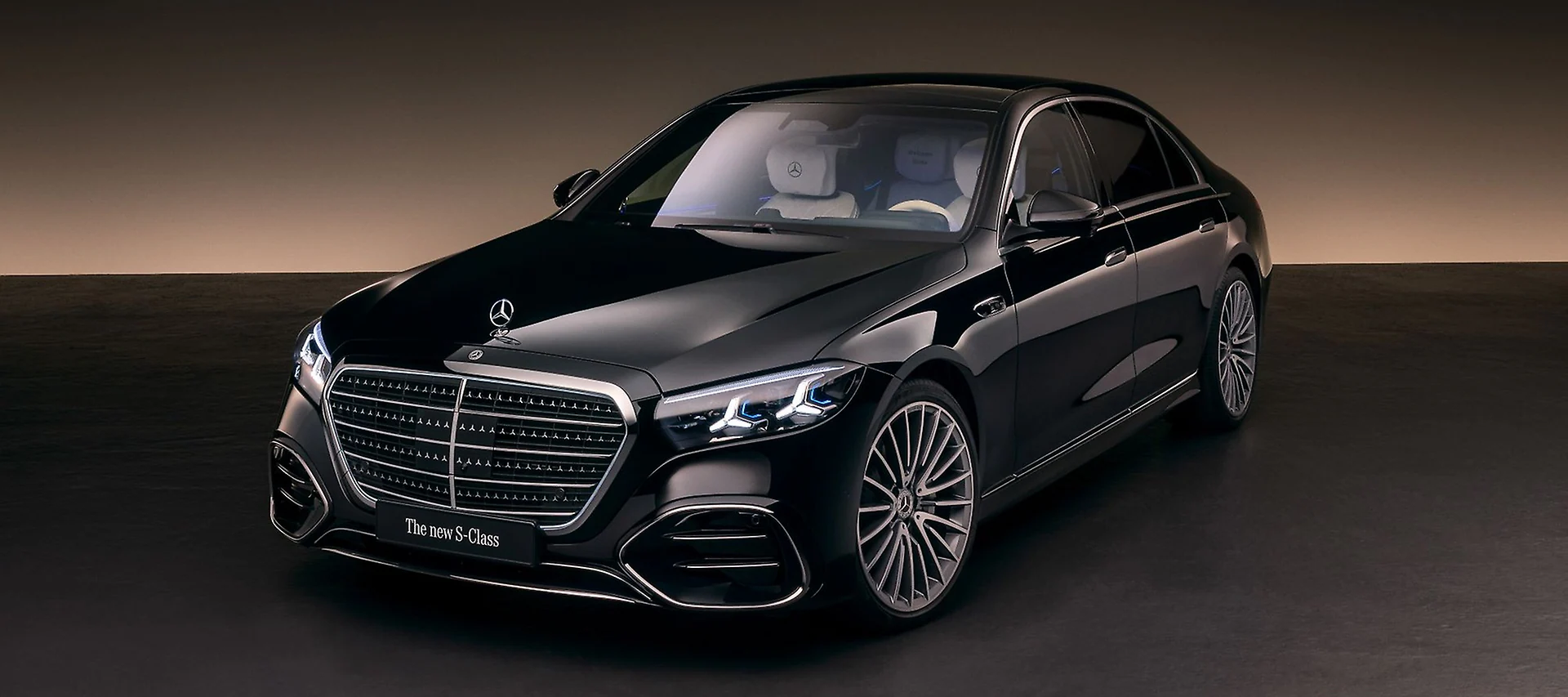
German luxury carmaker Mercedes-Benz Group has reported a dramatic downturn in its financial performance for the full year 2025, with operating profits falling by more than 50 percent amid mounting pressure from global tariffs, weak demand in China and intensifying competition from local rivals in the world’s largest auto market. The latest results reveal that the iconic automaker is facing some of its most challenging market conditions in years, with external economic forces and internal strategic shifts combining to weigh heavily on earnings.
According to the company’s full-year financial results, Mercedes-Benz recorded an operating profit of €5.8 billion in 2025, down roughly 57 percent compared to the previous year a steep decline from the €13.6 billion reported in 2024. Revenue also slipped by about 9 percent to €132.2 billion, reflecting softer sales across multiple regions and product lines as global demand weakened. The outcome was significantly below analyst expectations, which had forecast operating profits of around €6.6 billion.
The profit slump illustrates both near-term challenges and structural pressures on Mercedes-Benz. One of the most significant contributors was a reported €1 billion hit from tariff costs, largely tied to higher duties on automotive imports into the United States. These tariffs have increased the cost of exporting vehicles, squeezing margins and reducing competitiveness, especially for luxury brands competing with more affordable alternatives. The U.S. tariff landscape has been volatile in recent years, with duties on non-North American car shipments adding considerable cost burdens to European manufacturers.
Another major drag on Mercedes-Benz’s profitability was the slump in China sales, where demand for premium vehicles unexpectedly contracted. China has historically been Mercedes-Benz’s most important market, accounting for nearly a third of global sales. In 2025, however, the company reported a 19 percent drop in sales in China a market downturn that was exacerbated by heightened competition from domestic manufacturers and rapidly evolving consumer preferences, particularly in the electric vehicle segment. Chinese brands such as BYD, Geely and other local players have intensified competition by offering high-quality vehicles at lower price points, forcing global brands to rethink pricing and market strategy in the region.
In addition to tariffs and China demand challenges, Mercedes-Benz also cited currency headwinds and unfavorable foreign exchange effects as factors that further deteriorated profitability. The combination of these pressures has resulted in a net profit figure that is drastically lower than the previous year around €5.3 billion, nearly half of the 2024 total. This represents one of the company’s weakest profit performances since the COVID-19 pandemic, underscoring the severity of current market conditions.
Company leadership acknowledged the difficult climate but emphasised that performance remained within the broader guidance given throughout the year. CEO Ola Källenius noted that Mercedes-Benz has maintained its focus on efficiency, speed and flexibility amid a dynamic external environment. He also highlighted the company’s ongoing investments in new products and technology as part of a medium-term strategy to restore profitability and competitiveness. Over the next three years, Mercedes-Benz plans to launch more than 40 new models, including updates to flagship vehicles like the S-Class and expanded electric vehicle offerings.
To help cushion the financial impact, Mercedes-Benz has implemented a major cost savings programme, which reportedly delivered more than €3.5 billion in savings across its passenger car division alone. This initiative has included job cuts, production efficiencies and structural reorganisation aimed at reducing fixed costs and streamlining operations. The company has also pursued localisation strategies by expanding production capacity in more cost-effective countries, such as Hungary, to improve global competitiveness.

Despite these measures, analysts remain cautious about the immediate outlook. Mercedes-Benz foresees continued margin pressure in 2026, with expectations that operating profit margins for its car division will remain subdued even as market conditions gradually stabilise. The company’s adjusted return on sales for 2025 was reported at about 5 percent, within its targeted range but below earlier forecasts. Management has reiterated its long-term goal of returning to a higher margin range of 8 percent to 10 percent, but achieving this will depend on successful execution of cost discipline, market expansion, and product innovation amid stiff global competition.
The broader global automotive industry is also navigating similar challenges, including tariff uncertainties, rising production costs and a transition toward electric vehicles that demands substantial investment. For Mercedes-Benz, the interplay of these macroeconomic pressures and competitive dynamics highlights an inflection point for strategy and performance in the luxury automotive segment.