

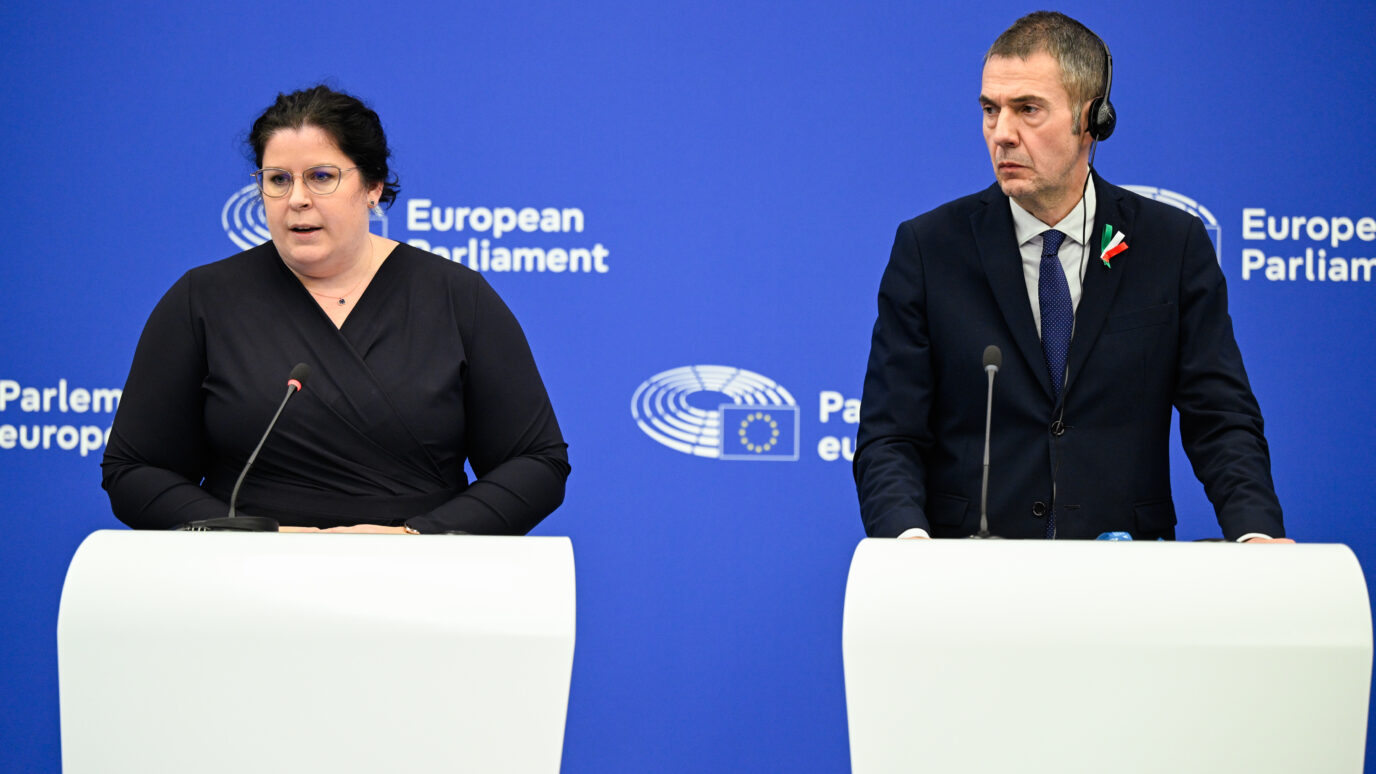
The European Parliament has formally adopted new measures aimed at tightening the European Union’s migration policy, including the creation of a common list of “safe countries” that will limit asylum access for nationals of those states.
Approved on February 10, 2026, the reform introduces a shared EU list of countries considered generally safe for their citizens. Among the African nations included are Egypt, Morocco and Tunisia.
According to EU institutions, these countries are deemed not to face systematic persecution, widespread torture or inhuman treatment, which forms the basis for their classification as safe countries of origin.

Under the new framework, asylum applications from nationals of listed countries will be subject to accelerated review procedures. While inclusion on the list does not automatically result in rejection, applicants will now need to demonstrate a well-founded fear of persecution or a serious risk if returned to their home country in order to qualify for protection.
Supporters of the reform argue that the measure will streamline asylum procedures and reduce what they describe as unfounded or abusive claims. Alessandro Ciriani, the Italian rapporteur in the European Parliament, described the list as a clarification of rules and a tool to strengthen migration management across the bloc.
However, the decision has sparked criticism from human rights organisations. Groups including the Ligue des droits de l’homme and SOS Méditerranée have voiced opposition, particularly challenging Tunisia’s designation as a safe country.

A coalition of associations led by the Anafé (National Association for Border Assistance for Foreigners) also criticised the move. Olivier Clochard, president of Anafé, argued that Tunisia’s inclusion contradicts documented human rights concerns and could restrict access to international protection for individuals in need.
Observers say the reform highlights ongoing tensions within the EU between efforts to control migration flows and the obligation to uphold international protection standards.
Implementation of the new rules is expected in the coming months following final procedural steps across EU institutions.
Business Policies Made Easy with the Entrepreneurship Policy Chatbot