

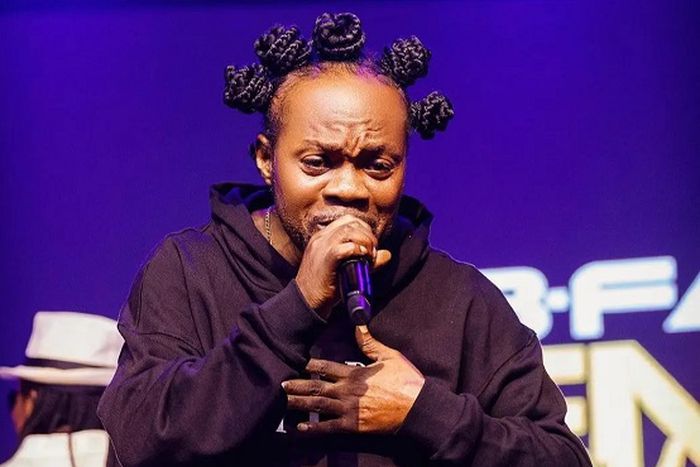
An Accra High Court has granted leave to the Abusuapanin of the late Daddy Lumba’s family to file an injunction aimed at preventing a second funeral service for the celebrated Ghanaian highlife musician, Charles Kwadwo Fosu, popularly known as Daddy Lumba. The development comes amid an ongoing and highly publicised legal dispute among the late musician’s relatives over funeral arrangements, widowhood rights and traditional rites, a matter that has drawn national attention and sparked intense debate across social and traditional media.
Daddy Lumba passed away on 26 July 2025 at the age of 60, triggering widespread mourning across Ghana and beyond. Known for his enduring influence on Ghanaian music, the legendary singer’s death left a deep emotional impact, prompting immediate plans for a funeral ceremony and final rites. However, the planning and execution of these arrangements soon became the subject of deep internal family disagreements, resulting in multiple court actions and injunctions.
The latest turn in the dispute came as members of the musician’s extended family sought legal authority to challenge plans for a subsequent funeral following earlier discord over the initial arrangements. The Abusuapanin, the family head, Kofi Owusu, appeared before the Accra High Court where the judiciary approved his request for leave to file an injunction. This step allows him to pursue legal action potentially aimed at blocking proceedings for another funeral event until core issues around funeral planning, stakeholder inclusion and traditional protocol are resolved.

The background to this legal tussle reveals a complex web of familial disagreements that began within months of Daddy Lumba’s death. Initial attempts to organise the final funeral rites, originally scheduled for December 6, 2025 and later rescheduled to December 13, 2025, were met with resistance from some immediate family members and maternal relatives. They claimed they were excluded from decisions about the funeral date, the selection of committees to oversee rites, and the handling of funeral funds. Those objections led to multiple lawsuits and injunctions being filed in court.
Earlier legal filings included a high court ruling that temporarily blocked funeral plans, ordering that no burial should proceed until stakeholder meetings were held and proper consensus reached among all family parties. The court underscored that even though Abusuapanin traditionally holds authority to conduct funeral rites, such authority must be exercised with the full involvement of immediate family members to ensure due process, respect for cultural customs, and equitable decision making.
The immediate family’s legal battles have also featured allegations of improper handling of funeral funds by Abusuapanin and his supporters. One lawsuit cited alleged unauthorised withdrawals from the Daddy Lumba Memorial Foundation account and raised concerns about financial mismanagement and lack of transparency. The plaintiffs also raised objections to an autopsy and other procedures that they claimed were carried out without their consent or full knowledge.
Disagreements over widowhood rights further complicated proceedings. In separate court actions earlier in the year, Daddy Lumba’s first wife, Akosua Serwaa Fosuh, sought legal recognition as the sole surviving widow and exclusive authority to perform widowhood rites. The case challenged the legitimacy of Priscilla Ofori, commonly referred to as Odo Broni, who also claimed spousal status and asserted her right to participate in funeral rites. A separate court ruling recognised both women as customarily married, adding another layer of complexity to the dispute.
Throughout these legal exchanges, the courts have emphasised that family disputes surrounding funerals, especially those involving customary and widowhood rights, are emotive and require careful examination of evidence, cultural norms, and statutory law. Judges have repeatedly called for due process, full inclusion of all relevant stakeholders, and respect for both legal and traditional frameworks governing funerals in Ghanaian society.

By granting leave to Abusuapanin to file an injunction, the Accra High Court has provided a legal pathway for the extended family head to formally present his arguments over why a second funeral should be delayed or stopped pending resolution of outstanding disputes. It also reflects the court’s recognition that ongoing disagreements have the potential to undermine key cultural and familial values if resolved hastily or without consensus.
The case remains ongoing, with future court hearings expected to shape the final direction of Daddy Lumba’s funeral plans, the role of family decision makers, and the legal recognition of funeral and widowhood rights under customary practices and national law. For many Ghanaians observing the developments, the dispute has highlighted the intricate intersection of tradition, law and family dynamics in high profile funeral matters.