


Staying in a toxic relationship, one defined by control, emotional harm, manipulation, or abuse, is a deeply human experience that affects many women around the world. While outsiders may wonder “why don’t they just leave?”, decades of psychological research and personal testimonies reveal a far more complex picture of emotional attachment, fear, dependency, and hope. Rather than a simple choice, remaining in a harmful relationship often stems from deep psychological and social influences that make leaving incredibly difficult.
Emotional bonds and trauma bonds keep women connected
One of the strongest psychological factors keeping women in toxic relationships is the concept of trauma bonding, a deep emotional attachment formed through cycles of intense negative and positive experiences. In many toxic relationships, moments of affection, apology, or calm can follow episodes of conflict or emotional harm. These highs followed by lows create unpredictable emotional patterns that affect the brain in ways similar to addiction, making the relationship feel compelling and even familiar.
Women often describe these bonds as feeling like love, even when the underlying behaviors are unhealthy. A trauma bond can make leaving feel like a painful loss, because the emotional relief after conflict, even if temporary, becomes associated with attachment. This form of emotional conditioning means that the hope for change outweighs the pain of staying, and the person clings to the belief that the next positive moment will be meaningful.
One woman who survived a long abusive partnership shared her experience: “I knew it wasn’t healthy, but when he was kind or affectionate afterward, it felt like love again. I stayed because I thought that change was possible.” This type of reflection is common in personal accounts of toxic relationships.
Fear, dependency, and self-perception play powerful roles
Beyond trauma bonds, women in toxic relationships often face emotional and social barriers that make leaving feel nearly impossible. Many individuals remain because of deep fear, including fear of abandonment, fear of being alone, and fear of starting over without support. A strong attachment to the idea of partnership can outweigh awareness of harmful behavior.
Emotional dependence can also erode a woman’s sense of self-worth. Constant criticism, manipulation, or control by a partner can lower self-esteem and create the belief that she is undeserving of healthy love. Over time, this shift in self-perception makes the toxic partner feel like the only option, even when better possibilities exist. This dynamic is often reinforced when a woman believes she alone can fix or heal her partner, especially if the partner alternates between remorse and aggression.
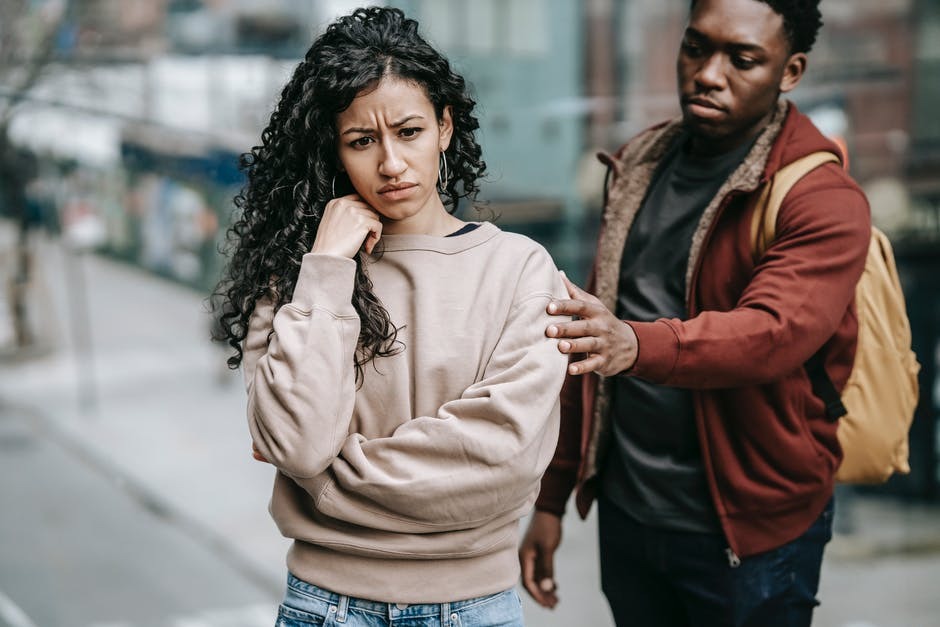
Economic or practical dependency also plays a role. Studies show that women who rely on a partner for financial stability, housing, or family continuity may find leaving extremely difficult without a secure alternative. Economic constraints, especially when intertwined with emotional ties, create a powerful reason why women stay in toxic relationships even when they recognize the harm.
Another psychological factor is denial and rationalization. Many women justify their partner’s behavior with thoughts such as “He had a hard childhood,” “He doesn’t mean it,” or “It’s not that bad compared to others.” These cognitive strategies reduce internal conflict but also normalize harmful patterns, reinforcing the belief that the relationship is worth saving.
Social influences, shame, and cultural expectations
The decision to stay in a harmful relationship is rarely made in isolation. Social and cultural expectations can strongly influence women’s choices. Some fear judgment from friends, family, or their community if they leave. Others worry about being seen as a failure or fear the stigma associated with separation. In some environments, discussing relationship struggles openly is discouraged, which increases feelings of isolation.
There are also deeply rooted beliefs about gender roles that can shape behavior. Many women are socialized to be nurturing, patient, and forgiving, even when it comes at their own expense. When societal messages suggest that enduring hardship is part of love, some internalize those ideas and tolerate unhealthy behavior longer than they otherwise would.
Personal testimonies reflect this complexity. One woman explained, “I felt like I had to prove my loyalty. Leaving felt like admitting I had failed or that no one else would want me.” These sentiments show how internal pressures and social expectations can intertwine.

Psychologists emphasize that women who remain in toxic relationships are not weak. They are often navigating emotional conditioning, fear, social pressure, and practical limitations all at once. Breaking free usually requires support from friends, family, counselors, or community resources. Rebuilding self-esteem and independence takes time, but many women who leave toxic relationships describe the process as life-changing and empowering.
Understanding the psychology behind women who stay in toxic relationships is essential because it shifts the conversation from blame to empathy. When people understand trauma bonding, emotional dependency, and social pressure, they are better equipped to support survivors with compassion rather than judgment.