

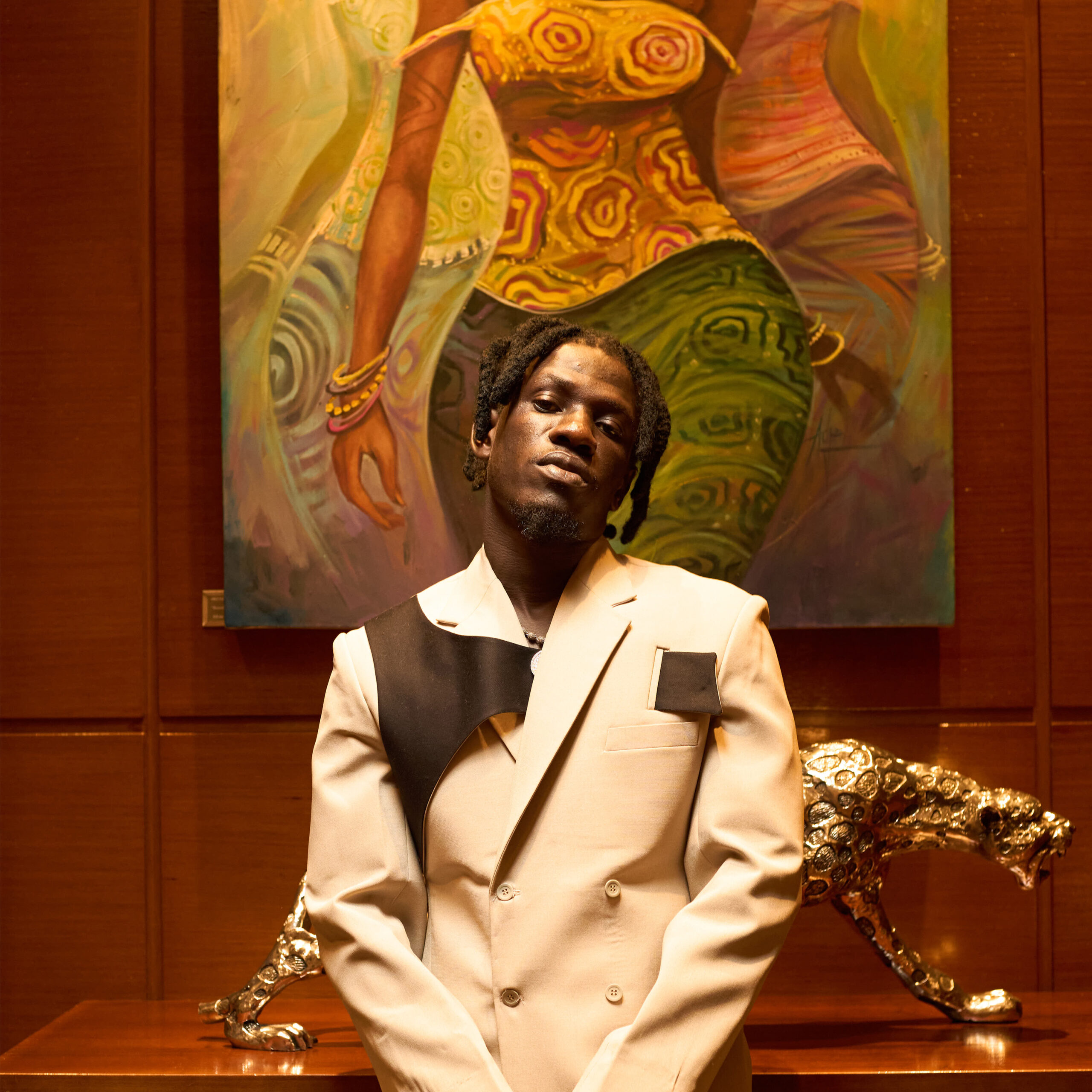
Ghanaian rapper and singer King Paluta has strongly pushed back against the narrative circulating on social media and in some entertainment circles that most Ghanaian artistes do not make money from their music. Speaking in a recent interview with entertainment journalist Zionfelix, the Kumasi-based artist addressed the issue head-on, using his own experience to challenge assumptions about how income is generated in the Ghanaian music industry.
King Paluta, whose real name is Thomas Adjei Wireko, explained that while many people believe musicians struggle to earn from their craft, the reality for working artistes is far more complex. He described the music business as one that requires continuous investment and hard work before it can generate substantial returns. According to him, substantial earnings cannot be measured simply by looking at streams or basic sales figures because successful musicians today rely on a range of income sources, including live performances, brand deals, music placements and strategic promotion.
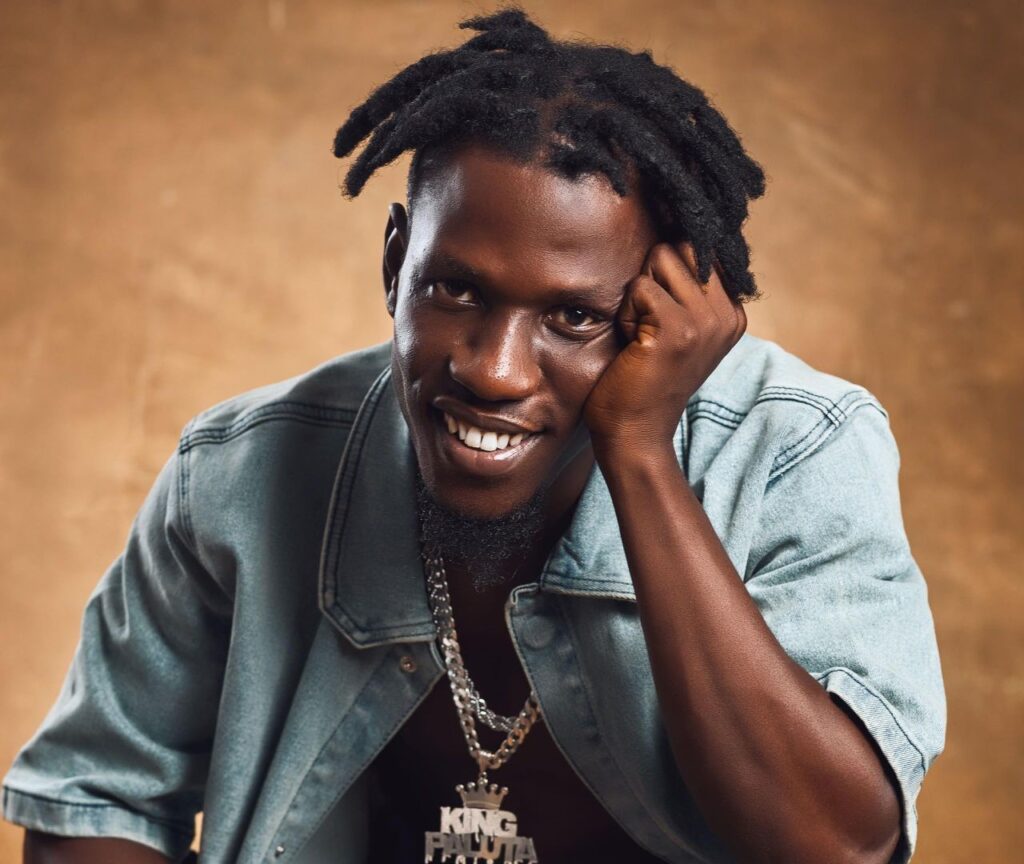
In the interview, Paluta revealed details about his personal spending on his career to highlight how reinvestment is part of earning money in music. He stated that there are days when he spends more than GH₵50,000 in a single day to promote his projects and maintain momentum. He said such expenses are not frivolous but rather necessary investments in studio sessions, travel, lodging, video shoots and logistics tied to promoting his music and brand. “There are days I spend more than GH₵50,000,” he said, describing such days as normal when his schedule requires intense travel and production work. He emphasised that these costs are directly linked to his ability to earn money, noting that “I invest heavily in my music because that’s what brings the money.”
Paluta’s frank discussion of career expenses was his way of illustrating that the business side of music in Ghana is not as straightforward as many assume. He argued that the idea many artistes don’t make money from their music tends to overlook the costs and efforts artistes put into promotion and market presence. For him, earnings in music are real for those who strategically invest time, money and creativity into their craft and are able to generate demand through performance opportunities, streaming, collaborations and branding.
His comments have sparked conversation online, with some fans applauding his transparency and others questioning the broader industry’s support systems. While acknowledging that not every artist makes huge amounts of money, Paluta maintains that dismissing the earning potential of Ghanaian musicians as universally poor does a disservice to those who have worked hard to build sustainable careers. He stressed that income streams have diversified beyond traditional sales, and that streaming numbers, performance fees and commercial partnerships are integral parts of a musician’s revenue.
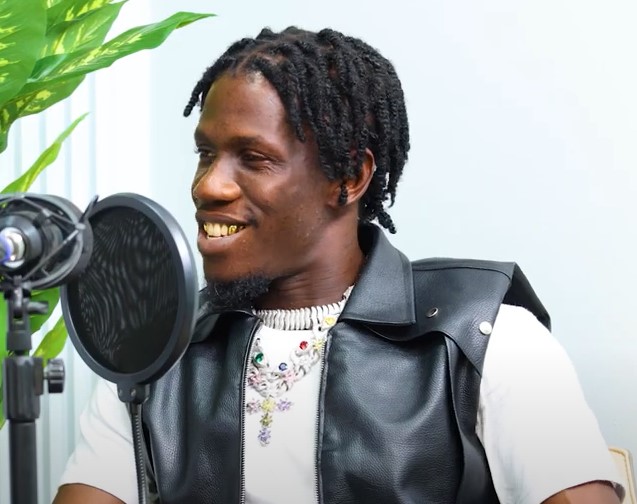
Beyond statistics, King Paluta’s response challenges people to look beyond simplistic assumptions about success and earnings in entertainment. He wants critics and fans alike to understand that Ghanaian musicians can and do earn from their music, provided they adopt a professional mindset, plan strategically, and actively engage both local and international audiences. His own journey from underground artist to mainstream recognition underpins his belief that with dedication and smart investment, Ghanaian artistes can achieve financial success from their music.
Paluta also pointed out that visibility plays a major role in income generation. He explained that when an artiste remains active, releases music consistently and performs regularly, event organisers and brands are more willing to invest in them. He suggested that the issue is not necessarily that Ghanaian artistes are not earning, but rather that some may not be maximising available opportunities or may lack the business structure needed to scale their careers. He encouraged emerging musicians to treat music as a serious business, not just a talent showcase.
Ultimately, King Paluta’s position is clear. The Ghanaian music industry is not perfect, but it is not barren either. For those willing to invest, adapt and push their brand aggressively, he believes the returns are real. His openness about spending and reinvesting significant sums into his craft serves as both a reality check and a motivational message to fellow artistes navigating the competitive landscape.