

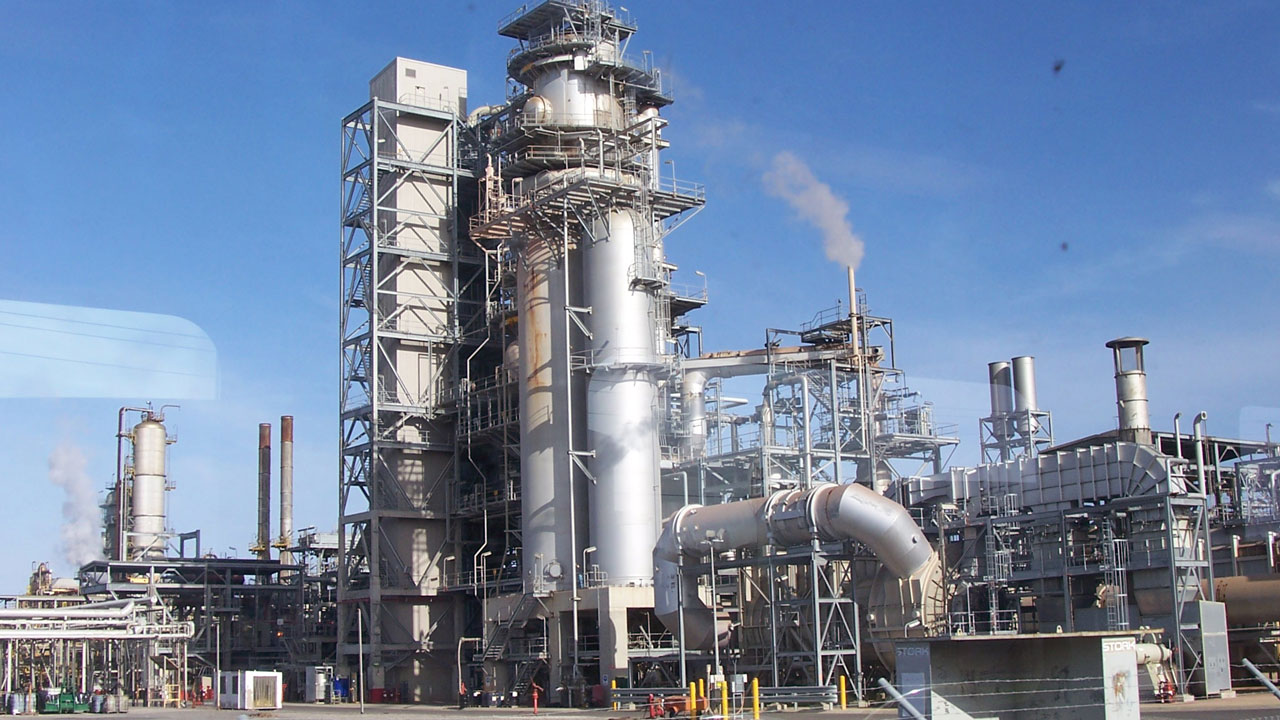
Ghana is taking a strategic energy step by turning to Nigeria’s Dangote Petroleum Refinery to help bridge a growing fuel supply gap that has challenged its domestic energy sector. With its own refining capacity limited and domestic demand for refined petroleum products rising, Ghana’s decision to source from Nigeria’s mega-refinery marks a significant shift in West African energy cooperation and regional trade dynamics
At the heart of this development is the fact that Ghana’s refineries lack sufficient capacity to meet national needs. Ghana operates two major refineries and a modular unit producing between 5,000 and 6,000 barrels of crude oil per day, which is considered insignificant by regional benchmarks. By contrast, the Dangote Petroleum Refinery in Nigeria has the capacity to process up to 650,000 barrels of crude oil per day, making it Africa’s largest single-train refinery and one of the most advanced energy facilities on the continent.
This mismatch in refining capacity has long forced Ghana to rely heavily on imports of refined petroleum products from outside Africa. Such dependence exposes the country to global oil price volatility, high freight costs, and foreign exchange pressures. Ghanaian energy authorities have repeatedly acknowledged that these challenges undermine fuel security and contribute to persistent increases in domestic fuel prices.
National Petroleum Authority confirms engagements
Speaking at a major regional energy forum in Abuja, the Chief Executive of Ghana’s National Petroleum Authority (NPA), Godwin Kudzo Tameklo, confirmed that Ghana is actively engaging with the Dangote Petroleum Refinery to establish a commercial supply arrangement. According to him, Ghana’s domestic refining output particularly from the Tema Oil Refinery and smaller modular units is unable to meet national demand on its own.

He explained that while Ghana considers a 6,000-barrel-per-day refinery sizeable in local terms, such output is negligible when compared to Nigeria’s refining capacity. As a result, Ghana has historically relied on imported fuel to meet consumption needs, positioning the country as a strong potential offtake market for Dangote’s refined petroleum products.
Why Dangote refinery is Strategically Important
Owned by African industrialist Aliko Dangote, the Dangote Petroleum Refinery was built to eliminate Nigeria’s dependence on imported fuel while generating significant export capacity. With Nigeria consuming only a portion of the refinery’s output, a substantial surplus is available for export to neighbouring countries, including Ghana.
The refinery’s proximity to Ghana offers a major logistical advantage. Shorter shipping distances reduce transportation costs and delivery times, which could translate into more stable fuel supply and potentially lower landing costs. This regional sourcing option is especially important at a time when global supply disruptions frequently affect fuel availability.
Impact on Ghana’s fuel market
Importing refined petroleum products from Dangote could improve fuel availability across Ghana’s market and reduce the frequency of supply shortfalls. Industry analysts believe that sourcing fuel from within West Africa could also reduce Ghana’s exposure to international freight charges and foreign exchange volatility.
However, Ghanaian authorities have stressed that the success of this arrangement will depend on stable regulatory frameworks, predictable pricing mechanisms, and favourable macroeconomic conditions. Exchange rate stability and harmonised regional energy regulations will be crucial to ensuring long-term sustainability.
Challenges facing Ghana’s refining sector
Ghana’s refining sector, particularly the Tema Oil Refinery (TOR), has faced longstanding operational challenges. Despite its original design capacity, TOR has struggled with inconsistent production due to maintenance issues, funding constraints, and supply interruptions. As a result, the refinery has been unable to consistently meet national demand, forcing continued reliance on imported fuel.

Until substantial investments are made to modernise or expand domestic refining capacity, Ghana is expected to remain dependent on external suppliers. Partnerships such as the one being explored with Dangote are therefore viewed as pragmatic short- to medium-term solutions.
Boosting regional energy trade
Ghana’s move aligns with broader efforts to strengthen intra-African trade and reduce reliance on distant fuel suppliers in Europe and Asia. By sourcing refined petroleum products from Nigeria, Ghana contributes to regional economic integration and supports Africa’s industrial value chain.
The strategy also has the potential to conserve foreign exchange, as regional trade arrangements may reduce dollar-denominated transactions associated with overseas fuel imports. Stable fuel supply is critical for sectors such as transportation, manufacturing, mining, and agriculture, all of which are sensitive to energy costs.
Outlook for Ghana-Dangote partnership
Discussions between Ghanaian authorities and Dangote Petroleum are ongoing, with both sides examining commercial, regulatory, and logistical frameworks required to operationalise fuel imports. While challenges remain, the partnership represents a significant step toward improving Ghana’s energy security and enhancing regional cooperation.
In the long term, Ghana’s engagement with Nigeria’s Dangote Refinery reflects a pragmatic energy policy direction focused on reliability, cost efficiency, and regional self-sufficiency. As West Africa continues to industrialise, such partnerships are expected to play a critical role in shaping the region’s energy future.