

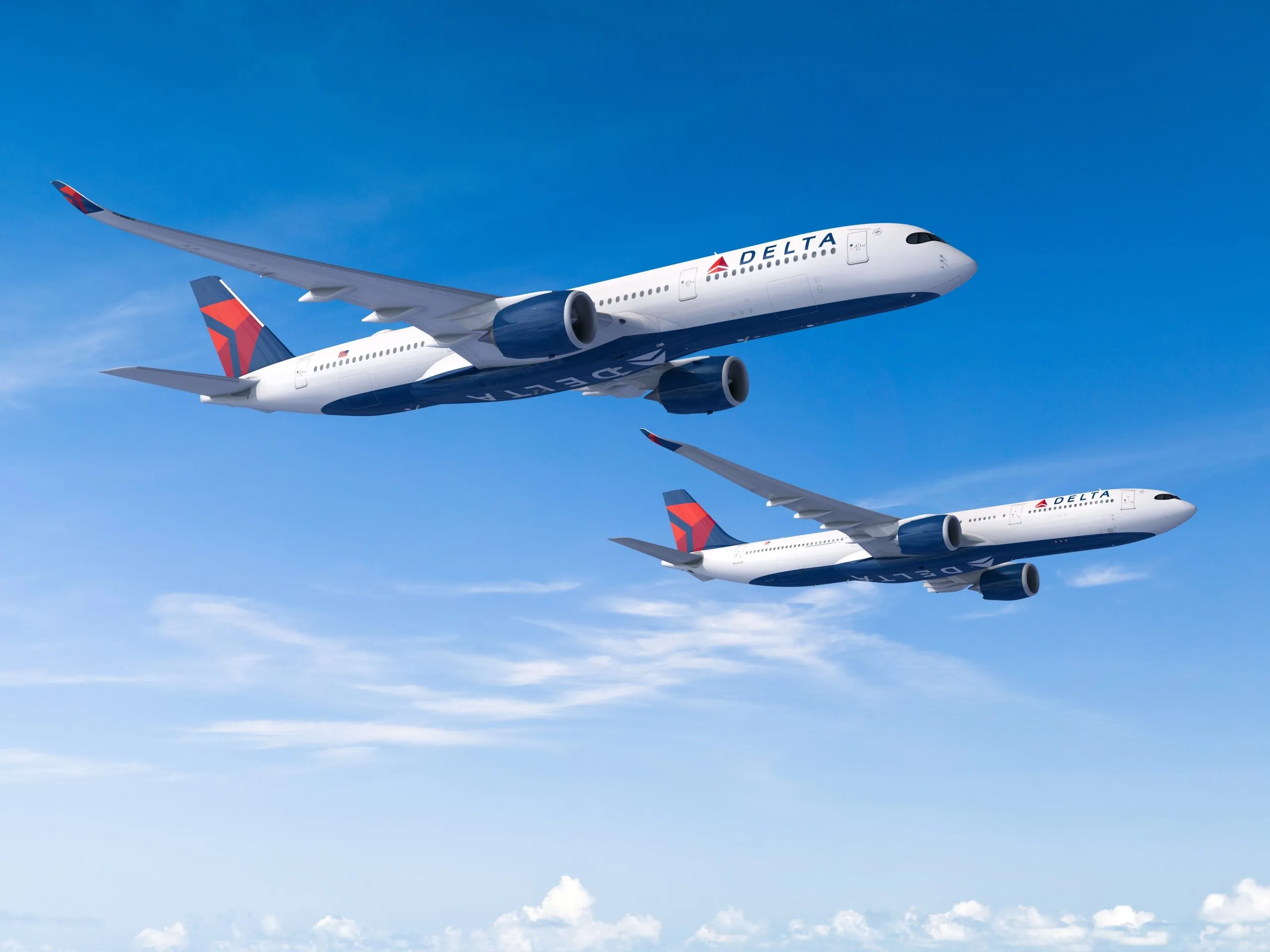
Delta Air Lines is taking a major step to strengthen its long-haul operations after confirming a significant new order for Airbus widebody aircraft, a move that reinforces the airline’s long-term international growth strategy and commitment to fleet modernisation. The US-based carrier has placed a firm order for 31 widebody jets, made up of 16 Airbus A330-900neo aircraft and 15 Airbus A350-900 aircraft, with deliveries scheduled to begin from 2029.
The latest purchase combines new aircraft orders with the exercise of existing options, while also securing additional options that give Delta flexibility to expand further in the future. This strategic investment reflects the airline’s confidence in the sustained recovery of international travel demand and its intention to expand capacity on medium- and long-haul routes across key global markets, including Asia, Africa, the Middle East and the South Pacific.
Delta Chief Executive Officer Ed Bastian described the order as a critical step in positioning the airline for the next phase of international growth. According to him, the additional widebody aircraft will allow Delta to enhance its global network while improving the overall customer experience, particularly in premium cabins that have become central to the airline’s revenue strategy. The new aircraft will also help Delta deploy the right capacity on routes with growing demand while maintaining operational efficiency.

With the latest agreement, Delta’s overall aircraft backlog now includes more than 300 aircraft across narrowbody and widebody categories. The airline’s widebody backlog alone stands at 85 aircraft, underscoring its long-term focus on intercontinental travel. The new order will significantly increase the size of Delta’s Airbus widebody fleet over the next decade and reinforce its status as one of the world’s largest operators of Airbus aircraft.
The Airbus A330-900neo aircraft are expected to play a key role on transatlantic routes and other long-haul services where flexibility, fuel efficiency and passenger comfort are critical. Powered by Rolls-Royce Trent 7000 engines, the A330-900neo offers lower fuel consumption, reduced emissions and improved operating economics compared to older generation aircraft. Delta has already integrated this aircraft type into its fleet and plans to use the additional units to replace aging widebodies while expanding capacity in select markets.

The Airbus A350-900 aircraft, meanwhile, will strengthen Delta’s ability to operate ultra-long-haul services. The aircraft is powered by Rolls-Royce Trent XWB-84 EP engines and is widely regarded as one of the most advanced and efficient long-range aircraft currently in service. Delta already deploys the A350 on several flagship international routes, including services to Asia and Australia, and the new aircraft will allow the airline to introduce additional destinations while improving schedule reliability.
Once all deliveries from the new order are completed, Delta’s A330-900neo fleet will grow to 55 aircraft, while its A350 fleet will expand to 79 aircraft. This figure includes future A350-1000 aircraft, which Delta is scheduled to begin receiving from 2027. The larger A350-1000 variant will give the airline additional seating capacity and cargo capability on high-demand long-haul routes, further strengthening its global reach.
In addition to the aircraft purchase, Delta has secured long-term engine maintenance agreements with Rolls-Royce for both the Trent 7000 and Trent XWB engine families. These agreements are designed to ensure high levels of reliability and predictable maintenance costs over the aircraft lifecycle, supporting Delta’s operational performance and cost management objectives.
From a passenger perspective, the new widebody aircraft will be configured with Delta’s latest cabin products, including Delta One Suites, Delta Premium Select, Delta Comfort+ and an upgraded main cabin experience. Customers can also expect free high-speed Wi-Fi, modern in-flight entertainment systems and enhanced food and beverage offerings, all of which align with Delta’s strategy of differentiating itself through service quality and premium travel experiences.
The expansion of Delta’s widebody fleet also comes at a time when airlines worldwide are carefully balancing growth with sustainability. New-generation aircraft such as the A330-900neo and A350-900 offer improved fuel efficiency and lower carbon emissions, supporting Delta’s broader environmental goals while delivering better economics on long-distance routes.
Industry analysts view Delta’s latest order as a strong signal of confidence in long-term international demand and a reflection of the airline’s disciplined approach to fleet planning. Rather than rapid expansion, Delta has opted for a measured strategy that prioritises efficiency, flexibility and customer experience, ensuring it remains competitive against both US and international rivals.

As deliveries begin later in the decade, the new Airbus widebody aircraft are expected to become the backbone of Delta’s international operations, enabling the airline to open new routes, strengthen existing ones and maintain a high standard of service across its global network. The order marks another significant milestone in Delta’s evolution as a leading global carrier, well positioned for growth well into the 2030s.