

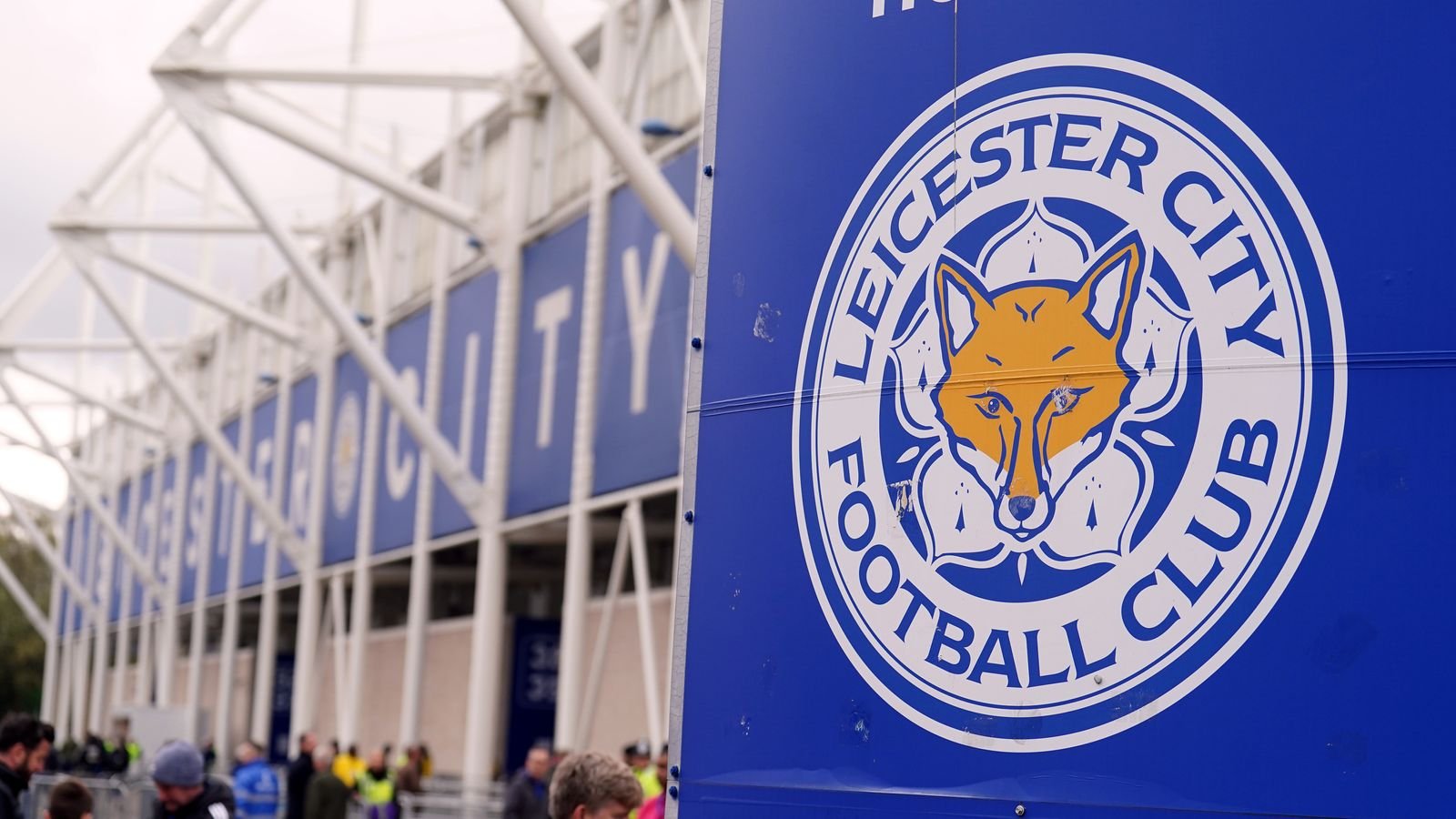
Leicester City have been hit with a six-point deduction in the 2025-26 EFL Championship after an independent disciplinary commission found the club breached the Profit and Sustainability Rules (P&S) over a three-year period, dealing a significant blow to their survival hopes and placing them precariously close to relegation.
The punishment was announced on 5 February 2026 after a lengthy process involving multiple legal challenges, financial scrutiny and an arbitration process that confirmed the Premier League and English Football League (EFL) had the authority to investigate and sanction the club.
What Leicester City were found To have done
An independent commission, appointed under Premier League regulations and later upheld by the EFL Board, determined that Leicester City had broken the P&S rules governing financial sustainability in English football. Specifically:
- Overspending Beyond Allowed Threshold Over the assessment period ending with the 2023-24 season, Leicester’s losses exceeded the permitted financial threshold by £20.8 million, meaning they failed to comply with the set limits on acceptable financial losses over three seasons.
- Failure to Provide Accounts On Time The club also breached its obligation to submit its annual financial accounts by the required deadline, which is a direct violation of league rules designed to enforce transparency and compliance.
The P&S rules are intended to promote sustainable club finances by limiting losses and ensuring clubs live within their means. Clubs found in breach of these thresholds can be subject to fines, transfer restrictions or sporting sanctions like points deductions.

The sanction and its immediate impact
After reviewing the case, the independent commission recommended that Leicester be docked six points. The EFL Board ratified this recommendation, which was applied immediately to the Championship table.
The deduction has significant sporting consequences:
- Leicester dropped from 17th to 20th place in the Championship standings, sitting precariously just above the relegation zone on goal difference alone.
- The penalty has intensified the club’s relegation risk, raising concerns they could drop out of the second tier and into League One a dramatic fall just years after winning the Premier League title in 2016.
Why this process happened
The case traces back to Leicester’s financial reporting and their promotion to the Premier League in 2024. After their return to the top flight, the Premier League referred the club’s alleged breaches of the EFL’s P&S rules to an independent commission in May 2025, following an arbitration tribunal’s decision that confirmed jurisdiction. Leicester vigorously challenged the commission’s authority and certain aspects of the rules, including claims that the regulations violated competition law, but all legal arguments were ultimately rejected.
Leicester’s defence also included arguments about accounting practices and the proper calculation of financial losses, and while the commission accepted some of their submissions such as adjustments for player cost accounting the overall finding of a breach stood.
The club’s reaction and next steps
Leicester City responded to the ruling with clear disappointment. In an official statement, the club said it acknowledged the commission’s decision but maintained the sanction was “disproportionate” and did not sufficiently account for mitigating factors, including their improving financial position. The club has said it is reviewing the decision and considering potential next steps, including its appeal options.
Despite the setback, the commission agreed that Leicester’s financial position had improved over the relevant period, which was considered as part of mitigation when determining the size of the penalty.
Broader sporting and financial context
Leicester’s deduction marks one of the most significant sporting sanctions under the EFL’s financial governance framework. The club’s plight illustrates the increasing emphasis on financial sustainability in English football, with regulators seeking to enforce rules that balance competitive ambition with fiscal responsibility.
The ruling also has broader implications for how financial rules are applied post-relegation. Previously, the club had successfully defended itself against a similar sanction related to the 2022-23 season, when an appeal board found the Premier League lacked jurisdiction over certain periods. However, the more recent breach has now been upheld and sanctioned.
Sporting challenges on the field
Leicester’s troubles extend beyond the boardroom. On the pitch, the club has struggled this season, with no wins in their last four Championship matches and recent managerial upheaval after the departure of head coach Marti Cifuentes in January 2026. The club has also been without a permanent manager during this turbulent period, further compounding its fight for survival.
Supporters and analysts alike have voiced concern over the club’s trajectory, pointing to a combination of financial mismanagement and inconsistent results as contributors to the current crisis. The six-point deduction has only heightened urgency for the club to stabilise both on and off the field if it hopes to avoid a second successive relegation.
Looking ahead
As Leicester City contemplates its appeal options and seeks to navigate a challenging Championship campaign, the impact of the six-point deduction will remain a defining feature of its season. Sporting directors, supporters and financial regulators will be watching closely as the club attempts to balance competitive ambitions with the stringent financial rules now shaping the landscape of English football.
Despite the setback, the development highlights the growing influence of financial governance on performance and competitiveness, reminding clubs that success on the pitch must be matched by discipline off it.