

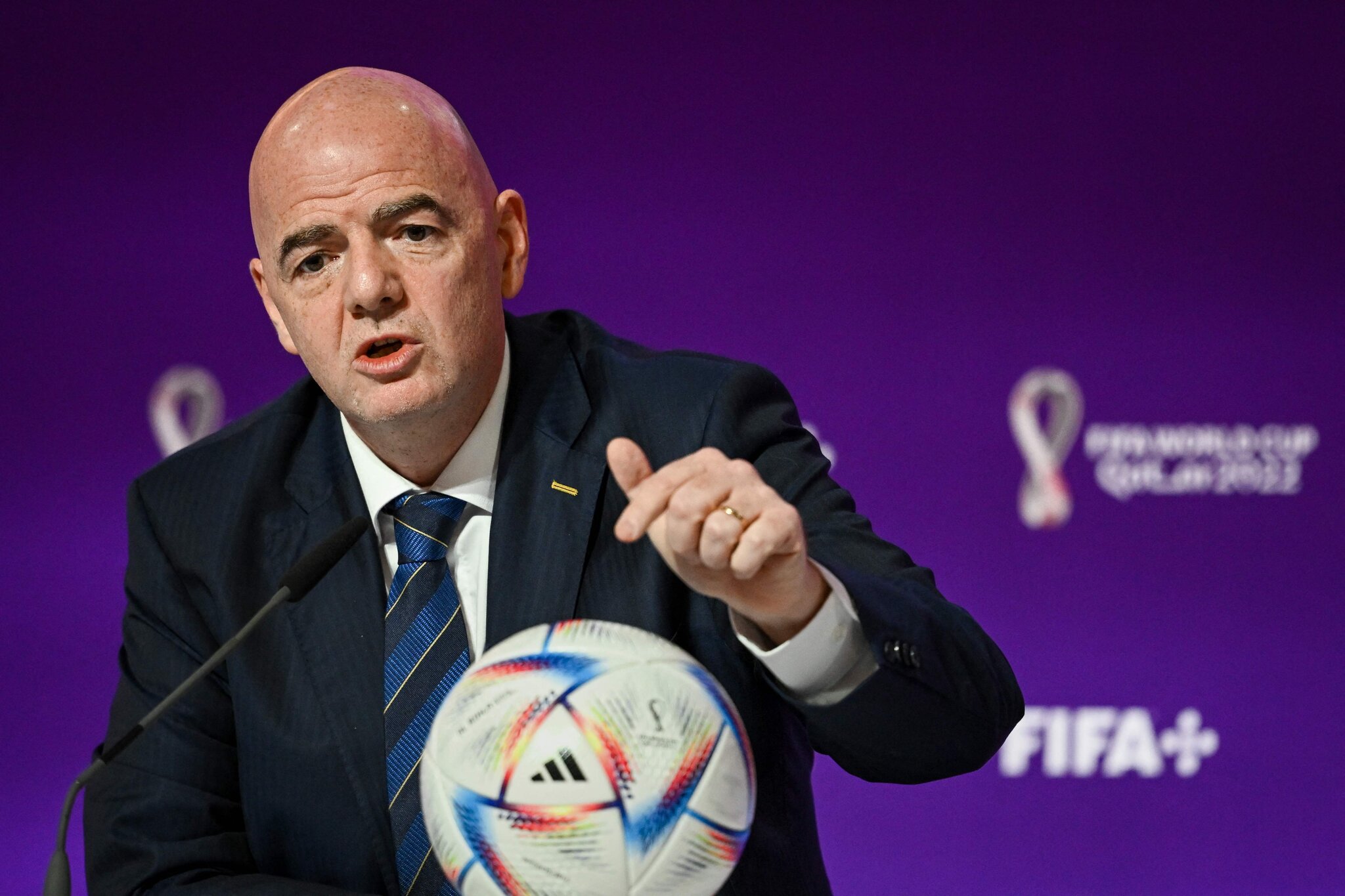
FIFA President Gianni Infantino has sparked intense global debate after publicly calling for the lifting of the ban on Russia’s participation in international football competitions, nearly four years after it was imposed following the country’s invasion of Ukraine in February 2022. His comments have reopened discussions about the intersection of sport, politics, and collective punishment, and whether athletes should continue to bear the consequences of decisions made by political leaders.
Infantino, who has led world football’s governing body since 2016, argued that the continued exclusion of Russian teams and players has failed to achieve its intended objectives. According to him, the ban which prevents Russian national teams and clubs from competing in FIFA and UEFA tournaments, including World Cup qualifiers and continental competitions has instead fostered resentment and deepened divisions.
He maintained that football should be a tool for unity rather than isolation and suggested that keeping Russian players, especially children and youth teams, out of competition only harms the development of the sport. Infantino stressed that young players should not be denied opportunities to play football because of political conflicts beyond their control.
In his remarks, Infantino went further by proposing that FIFA should consider embedding into its statutes a clear principle that no country should be banned from football solely due to the actions of its government. He argued that sport must remain a neutral space that allows dialogue and human connection to continue even during periods of geopolitical tension.
Russia was excluded from international football in 2022, a decision taken jointly by FIFA and UEFA in response to the war in Ukraine. The ban resulted in Russia’s removal from the 2022 World Cup and subsequent qualifying competitions, leaving Russian teams largely confined to friendly matches and non-competitive fixtures. In 2023, there was an attempt to reintegrate Russian Under-17 teams into European competitions, but that effort collapsed after strong opposition from several national football associations, including those of England, Sweden, and Ukraine.
Infantino’s position has been met with strong criticism from Ukrainian officials, who view the ban as a necessary act of accountability and solidarity. Ukraine’s sports leadership has described the FIFA president’s comments as deeply insensitive, arguing that they ignore the ongoing human cost of the war. Ukrainian authorities have repeatedly pointed out that numerous athletes have been killed, displaced, or forced to abandon their careers as a result of the conflict.

Reactions across the wider football community have been divided. Some administrators and commentators agree with Infantino that sport should be insulated from politics and that collective bans unfairly punish players. Others, particularly within UEFA, have maintained a firm stance that Russia’s return to competitive football cannot be considered while the war continues. UEFA leadership has reiterated that any reinstatement would require significant changes in the broader political situation.
Infantino’s remarks reflect a growing global debate within sport over how governing bodies should respond to geopolitical crises. Similar discussions have taken place across other international sporting organisations, where questions persist over whether exclusion is an effective tool for change or whether it undermines the unifying role of sport.
At present, there is no formal proposal or timeline for FIFA to vote on lifting Russia’s ban. However, Infantino’s public comments are expected to influence ongoing discussions within football’s governing structures, national associations, and international sports diplomacy circles.
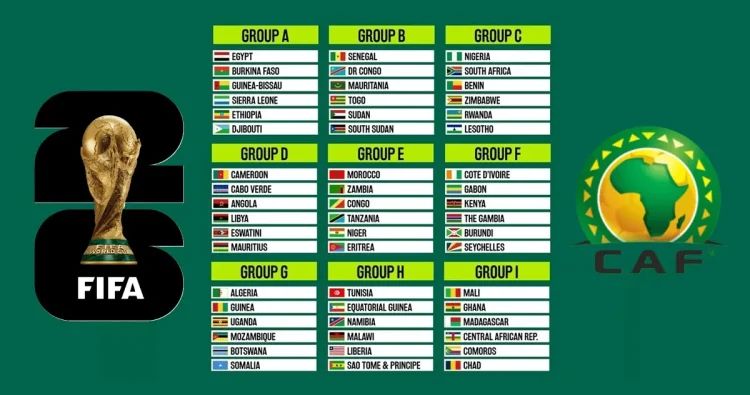
As preparations continue for the 2026 FIFA World Cup in the United States, Mexico, and Canada, the issue of Russia’s potential return to international football remains one of the most politically sensitive and ethically complex challenges facing the sport today.