

The handling of Aarón Anselmino’s career by Chelsea has sparked serious debate about player welfare, squad planning and the growing detachment between elite clubs and the human beings behind transfer decisions. What should have been a carefully managed pathway for a promising young defender has instead unfolded into a confusing, emotionally draining saga that reflects wider issues in modern football.
Chelsea signed Anselmino in the summer of 2024, viewing the Argentine centre-back as a long-term investment. As part of the deal, the club decided to leave him on loan at Boca Juniors until January 2025, a move that initially appeared sensible. Staying in familiar surroundings would allow him to continue his development while Chelsea assessed their defensive options.
However, once Anselmino arrived in England midway through the 2024/25 season, his situation quickly became troubling. Despite training with the squad, he did not play a single minute for Chelsea’s first team. With no clear role carved out for him and limited opportunities to impress at senior level, the club opted for another loan move rather than integrating him gradually into the side.
In the summer of 2025, Anselmino was sent to Borussia Dortmund, a club renowned for developing young talent. Unlike his time at Chelsea, the move quickly proved successful. The defender worked his way into the team, earned the trust of the coaching staff, and began starting matches. By all accounts, he was settled, confident, and progressing in a competitive environment that suited his style of play.
Then came January 2026 the turning point that turned a development story into a cautionary tale. Chelsea entered the winter transfer window looking to sign a new centre-back, with Jeremy Jacquet identified as their top target. Negotiations failed, and Chelsea were unable to reinforce the position before the window closed. Instead of sticking to their long-term plan or trusting existing options, the club made a dramatic decision.
On January 26, 2026, Chelsea terminated Anselmino’s loan agreement with Borussia Dortmund, abruptly recalling him to London. The move shocked Dortmund, frustrated their coaching staff, and devastated the player. Reports indicate that Anselmino left the German club in tears, having finally found stability and momentum after months of uncertainty.
For Anselmino, the recall seemed to signal a turning point. He returned to London prepared to compete, believing he would finally be given a chance to prove himself in Chelsea colours. But that hope was short-lived.
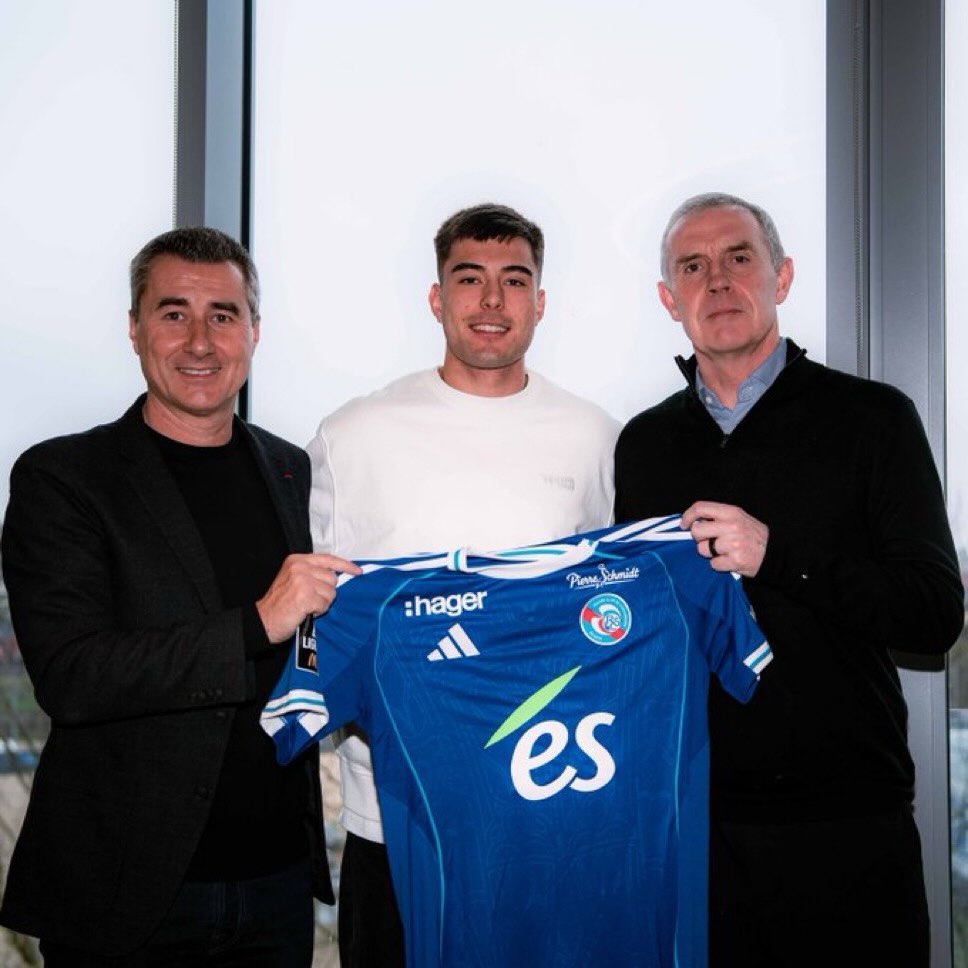
Upon his return, he was informed that he would not remain with the first team after all. Instead, on Deadline Day, Chelsea arranged another loan move, this time to Strasbourg, one of the clubs under the same ownership structure. To complete the reshuffle, Chelsea simultaneously recalled Mamadou Sarr from Strasbourg, effectively swapping defenders within their multi-club network.

The sequence of events has raised serious ethical and sporting questions. From a footballing perspective, the logic appears inconsistent. Anselmino was deemed good enough to interrupt a successful spell at Dortmund, yet not trusted enough to stay once he returned. From a human perspective, the damage is clearer: a young player was uprooted mid-season, emotionally shaken, and moved again with little regard for continuity.
This case highlights a growing problem in modern football players treated as logistical assets rather than people. Loan systems, especially within multi-club ownership models, are increasingly used as reactive tools rather than carefully planned development pathways. Decisions are made to plug short-term gaps, often at the expense of a player’s confidence, mental health and career stability.
For Chelsea, the Anselmino situation also exposes issues in squad planning. Recalling a player because of failed transfer negotiations, only to loan him out again days later, suggests a lack of coherent strategy. It raises questions about communication within the club and whether long-term development plans truly exist beyond financial and structural convenience.
For Anselmino, the immediate focus will be rebuilding confidence and finding rhythm at Strasbourg. But the broader concern remains: how many young players experience similar turbulence without the spotlight? And at what point does football draw a line between strategic flexibility and professional irresponsibility?
The Aarón Anselmino saga is more than a transfer story. It is a reminder that behind every recall clause and deadline-day deal is a player whose career and emotional well-being hangs in the balance. As clubs continue to expand their networks and stockpile talent, cases like this demand reflection, accountability, and change.