

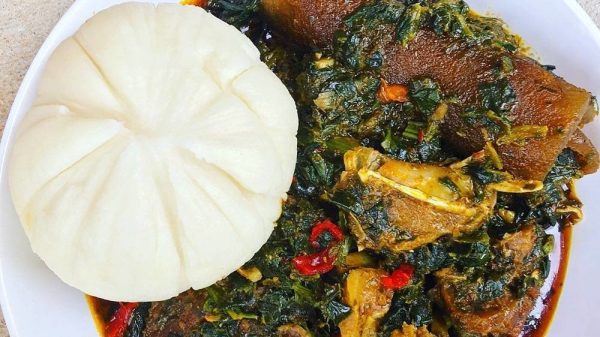
When it comes to Ghanaian cuisine, one leafy green stands out for its flavor, versatility, and nutritional value. That leafy green is Kontomire, also known as cocoyam leaves or fluted pumpkin leaves. While many of us enjoy Kontomire as part of our daily meals, there is much more to this vegetable than just its taste. It has a rich history, incredible health benefits, and an important place in our culture.
The History of Kontomire in Ghana
Kontomire has been part of Ghanaian diets for generations. It is most famously used in Kontomire stew, which is cooked with tomatoes, onions, palm oil, and sometimes fish or eggs. This stew is a comfort food for many families and is often served at special occasions or Sunday family meals. Kontomire is also used in other traditional dishes, including soups, sauces, and even vegetable stir-fries. Its popularity is not surprising because it is nutritious, affordable, and widely available in markets across the country.
Fun Facts About Kontomire
Kontomire is more than just a tasty ingredient. It is considered a superfood because of the nutrients it contains. The leaves are rich in iron, which helps prevent anemia and keeps our energy levels high. They also have calcium and magnesium, which are important for healthy bones and teeth. Vitamin A in the leaves supports good vision, while vitamin C strengthens the immune system. Every meal that includes Kontomire is essentially a small dose of wellness for the body.
One interesting fact about Kontomire is that both the young tender leaves and the older mature leaves can be eaten. Young leaves are soft and can be used in salads or lightly cooked dishes, while mature leaves are perfect for stews and soups because they hold their texture and add a deeper flavor. This versatility has made Kontomire a favorite in homes throughout Ghana.

Health Benefits of Eating Kontomire
Eating Kontomire regularly can have many positive effects on our health. The iron in the leaves ensures that our blood carries oxygen efficiently, which helps us stay energetic and focused throughout the day. Calcium and magnesium contribute to stronger bones and teeth, making it especially important for growing children and older adults. Dietary fiber in Kontomire supports healthy digestion and helps prevent constipation. The combination of vitamins, minerals, and antioxidants also helps protect the body from illnesses and boosts the immune system.
How to Cook and Enjoy Kontomire
Traditional Kontomire stew remains the most popular way to enjoy this leafy green, but there are many other ways to include it in our meals. The leaves can be added to soups, combined with other vegetables in stir-fries, or even blended into smoothies for a nutritious boost. Cooking Kontomire with a small amount of oil and seasoning preserves its nutrients while enhancing its natural flavor.

Kontomire for the Whole Family
Kontomire is suitable for all ages. From toddlers to grandparents, everyone can enjoy and benefit from the nutrients in the leaves. It is a staple that combines health, affordability, and taste. By including Kontomire in our diets, we are not just nourishing our bodies, but we are also preserving a part of our Ghanaian culture and tradition.
In conclusion, Kontomire is more than just a vegetable. It is a symbol of our heritage, a source of important nutrients, and a versatile ingredient that brings families together. Whether you are preparing a hearty stew or adding it to a light salad, this superfood offers a delicious way to stay healthy while celebrating our culinary traditions. The next time you see Kontomire leaves at the market, remember that you are picking up a piece of Ghanaian heritage that has been cherished for generations.
How Detty December Transformed Ghana Into A December Hotspot – Insight Ghana