

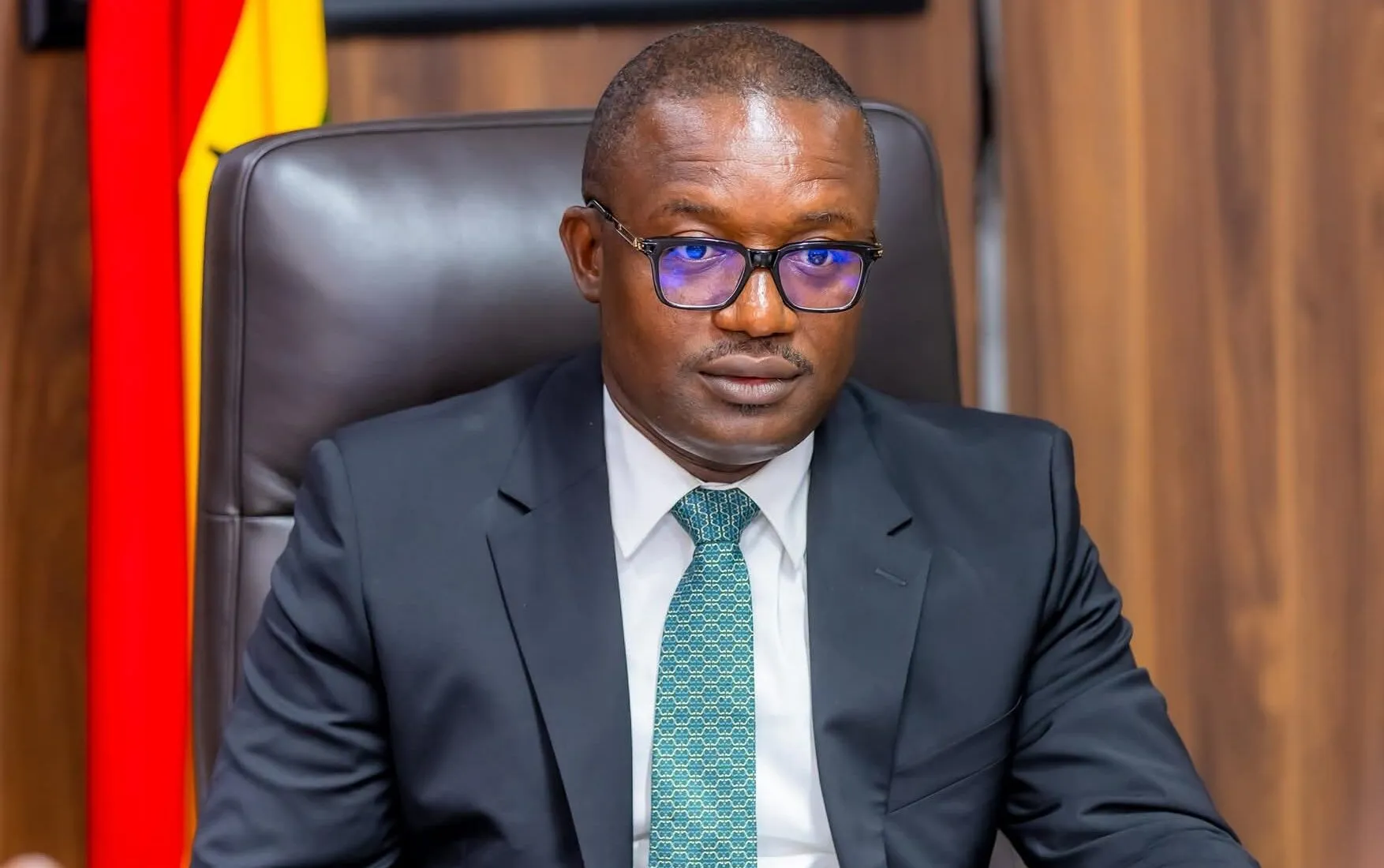
As Ghana prepares for the new year the energy minister has reaffirmed that his primary objectives remain delivering stable reliable and affordable electricity to households businesses and industries nationwide. Speaking at a sector review event he said that energy infrastructure development supply chain optimisation and cost management are central to achieving these goals ahead of the 2026 calendar.
The Minister said that access to electricity remains fundamental to economic growth investment attraction and improved quality of life. He explained that recent challenges in electricity supply stemming from maintenance works fuel cost fluctuations and generation shortfalls have underscored the need for a comprehensive strategy that prioritises both stability and affordability.
To address these concerns the Ministry of Energy outlined several focus areas including expanding grid capacity improving transmission efficiency and supporting renewable energy integration. The Minister also emphasised the need for transparent pricing mechanisms that protect consumers while ensuring utility companies remain financially viable.
Ghana’s energy sector has seen progress in some areas with increased generation from independent power producers and investments in solar and wind projects. However concerns persist over tariff adjustments rising operational expenses and the reliability of supply during peak demand periods.
The Minister said that collaboration with key stakeholders including the power utility regulators distribution companies and financial partners will be intensified. He reiterated that policies must encourage private sector engagement while safeguarding consumer interests. Strengthening regulatory frameworks and incentives for clean energy investment are also seen as critical to long term energy security.
He acknowledged that achieving affordable electricity requires balance between cost recovery for utilities and manageable pricing for citizens. Energy experts have called for targeted interventions that reduce inefficiencies and redirect savings to lower consumer tariffs where possible.
Many industry observers believe that stable and reliable electricity is essential for Ghana to remain competitive regionally and attract investment in manufacturing technology and other energy intensive sectors. Frequent outages or unpredictable supply can hamper business operations and deter potential investors.
Consumer advocacy groups welcomed the minister’s statements but urged faster implementation of measures that directly impact tariffs and supply reliability. They also emphasised the importance of protecting vulnerable populations from sudden increases in energy costs.
As the country transitions into 2026 the energy sector is expected to remain in focus with policymakers working to align long term planning with immediate demands. The Minister’s reaffirmation of clear priorities has been seen as a positive signal that efforts towards a more sustainable energy future remain on track.