

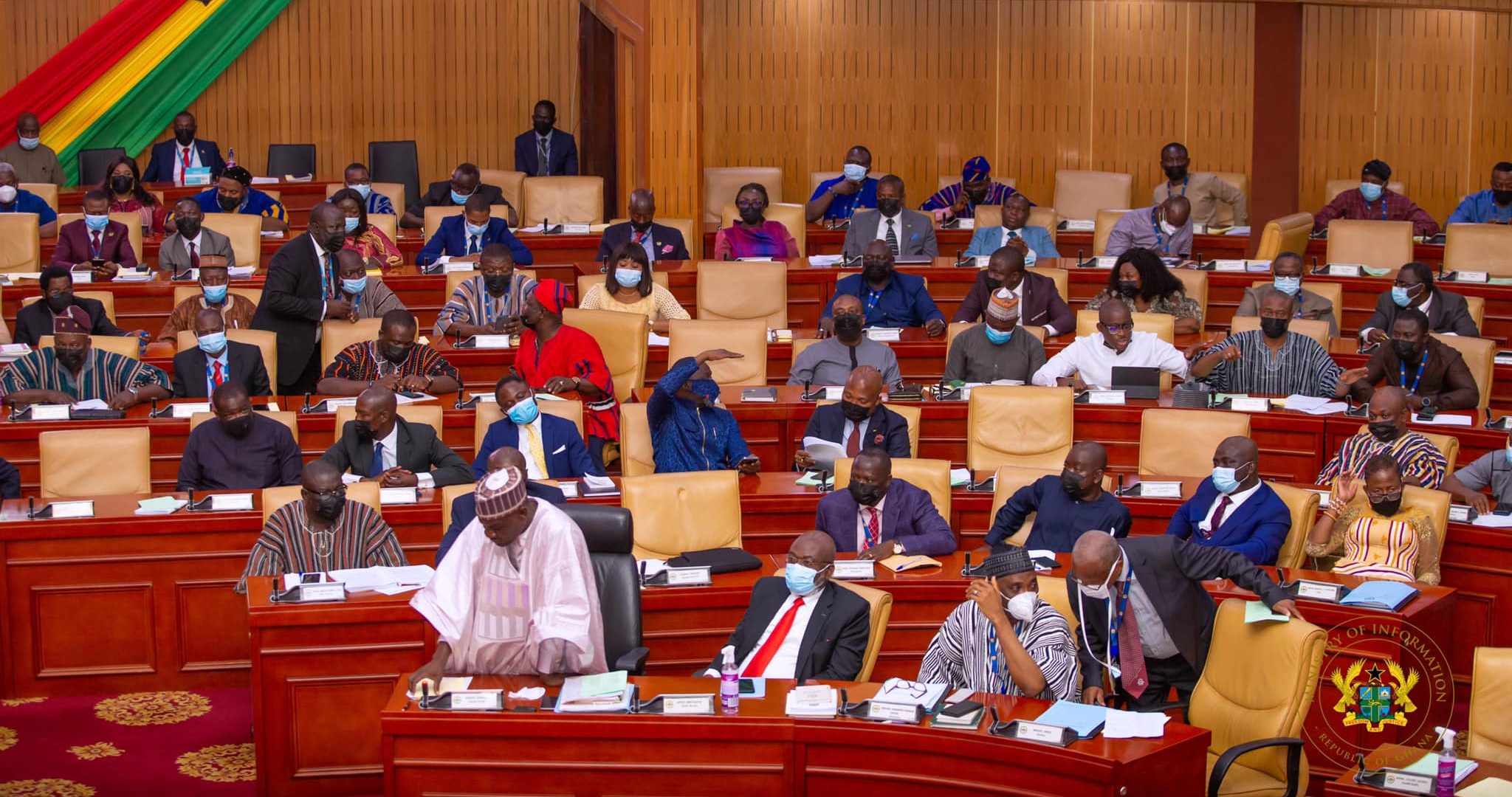
The Minority Caucus in Ghana’s Parliament has voiced serious concerns regarding the Bank of Ghana Amendment Bill currently before lawmakers. Members of the minority contend that certain provisions in the bill could weaken accountability mechanisms for the central bank, posing risks to financial transparency and oversight.
During discussions, minority legislators argued that the proposed changes may undermine the role of Parliament and civil oversight bodies in holding the central bank accountable for its decisions and financial operations. They emphasised that strong checks and balances are crucial in ensuring that monetary policy remains transparent and aligned with public interest.
The Bank of Ghana Amendment Bill is intended to modernise governance structures of the central bank and clarify roles in areas such as monetary policy, financial stability, and regulatory functions. Supporters of the bill say it seeks to bring the Bank of Ghana in line with international best practices and enhance its operational efficiency.
However, members of the minority raised specific objections to clauses related to reporting requirements, internal audit powers, and stakeholder engagement. One key concern is that the bill might reduce the frequency or depth of reporting that the Bank of Ghana must provide to Parliament, potentially limiting legislative scrutiny over central bank activities.
Critics argue that accountability is essential not only for macroeconomic stability but also for safeguarding public confidence in financial institutions. They cited examples of past economic shocks where lack of timely oversight complicated responses to currency volatility and inflationary pressures.
Proponents of the bill responded to concerns by explaining that the amendment is designed to strike a balance between central bank independence and accountability. They underscored that independence from political interference is critical for effective monetary policy, especially in environments challenged by inflation and external economic uncertainty.
Economists and governance experts have weighed in on the debate, noting that central bank independence and accountability are not mutually exclusive. Effective frameworks ensure that central banks can operate without undue political influence while still being answerable to elected representatives and the public.
The government side of the legislature has assured that amendments will be carefully considered and that provisions promoting transparency will be retained or strengthened where necessary. They have urged the minority to submit specific proposals to improve wording and oversight mechanisms without compromising policy effectiveness.
The debate reflects broader tensions in public finance governance, where the desire for institutional autonomy must be tempered with democratic accountability. As the Bill continues through parliamentary committees and readings, further dialogue and refinements are expected. Ultimately, lawmakers are tasked with ensuring that the final legislation promotes monetary stability, supports economic growth, and protects the interests of all Ghanaians.