

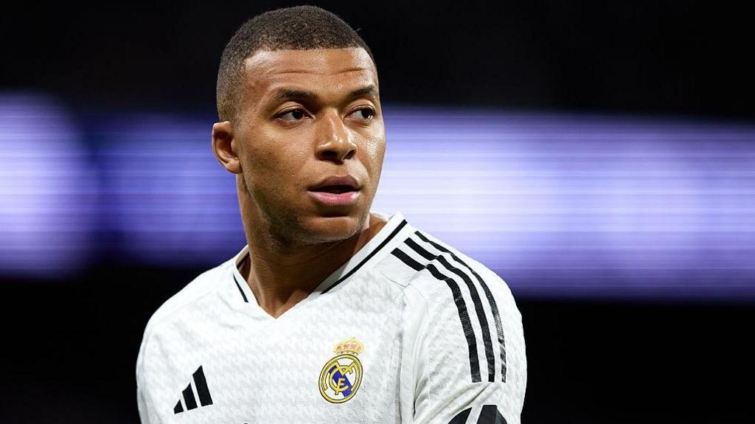
Paris Saint-Germain (PSG) has been dealt a significant legal setback after a French labour tribunal ordered the Ligue 1 giants to pay former striker Kylian Mbappé €60 million in unpaid wages and contractual bonuses. The landmark ruling caps a protracted dispute between the world-class forward and his former club, marking a decisive moment in one of European football’s most high-profile contractual battles in recent years.
The ruling was handed down by a Paris labour court, which concluded that PSG failed to honour its financial obligations to Mbappé during the final months of his contract before his transfer to Real Madrid in 2024. The decision is widely seen as a vindication of Mbappé’s stance and reinforces the principle that elite players are entitled to the same legal protections and contractual rights as other employees under French labour law.
Background of the Financial Dispute
The conflict between Mbappé and PSG began amid tensions over contract renewal negotiations that ultimately led to the French forward rejecting an extension and leaving the club on a free transfer. At the heart of the legal dispute were allegations that PSG failed to pay wages owed for April, May and June 2024, as well as several scheduled bonuses tied to ethics clauses and contract signing provisions that Mbappé’s legal team argued were contractually guaranteed.
Originally, Mbappé sought more than €260 million in total claims against PSG, encompassing unpaid wages, bonuses and additional compensation linked to contract terms he maintained were breached by the club. On the other side, PSG countered by arguing that Mbappé had forfeited certain contractual rights by refusing to extend his deal and attempted to claim damages linked to alleged losses suffered by the club. The court, however, dismissed these counter-claims and ruled decisively in favour of the former France international.
Court’s Rationale and Key Findings
In its judgement, the labour tribunal determined that PSG’s failure to pay Mbappé for several months constituted a clear breach of contractual obligations. The court also upheld the enforceability of clauses relating to signing and ethics bonuses, ruling that PSG was legally bound to honour them. The decision reaffirmed that professional footballers are protected by labour laws in the same way as other employees, regardless of status or earnings.
Mbappé’s legal team welcomed the ruling as a reaffirmation of contractual fairness within professional football. The judgement followed a detailed review of employment standards, contractual language and obligations agreed by both parties, establishing that elite football contracts must be respected and enforced.
Implications for PSG and European Football
The €60 million payment order represents a substantial financial liability for PSG and arrives at a time when clubs across Europe are under increasing scrutiny regarding financial management and regulatory compliance. Beyond the immediate monetary impact, the ruling also carries reputational consequences for the French champions, who had positioned Mbappé as the cornerstone of their long-term sporting project.
For football executives and legal analysts, the case sends a strong message about accountability in player contracts. It is expected to influence how elite clubs structure wage agreements, loyalty bonuses and termination clauses, particularly when dealing with high-profile players nearing the end of their contracts.
Mbappé’s Career After PSG
Since leaving Paris, Mbappé has continued his career at Real Madrid, quickly establishing himself as a central figure within the Spanish giants’ attacking setup. His move ended years of speculation and marked a new chapter in his professional journey. The legal victory further strengthens his position as a player willing to assert his rights both on and off the pitch.
Observers believe the ruling could embolden other players to pursue legal action where contractual obligations are not met, potentially reshaping how disputes between clubs and players are resolved across Europe.
A Precedent for Contractual Clarity
While the €60 million award represents only a portion of the amount originally claimed, the decision sets an important precedent within professional football. It highlights the necessity for clarity, transparency and fairness in contract negotiations and enforcement.
As the football world reflects on the outcome, the ruling serves as a reminder that sporting success and global stature do not exempt clubs from legal responsibility. For PSG, the judgement underscores the cost of contractual disputes, while for players, it reinforces the principle that the rule of law remains firmly applicable within the modern game.