

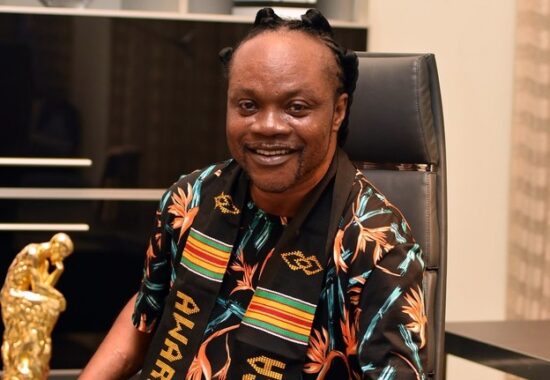
The Accra High Court has placed a temporary halt on the funeral arrangements of celebrated Ghanaian highlife musician Charles Kwadwo Fosuh, widely known as Daddy Lumba, following a legal dispute initiated by members of his maternal family. The court issued an injunction preventing the scheduled burial from taking place and instructed the funeral home in possession of the musician’s remains not to release his body until the substantive matters brought before the court are fully resolved.
Court Issues Injunction Over Family Disagreement
The ruling was delivered on Friday, December 12, 2025, after five individuals from Daddy Lumba’s maternal principal family petitioned the court for an injunction. According to their claims, they were excluded from critical funeral planning processes and were not adequately consulted despite their traditional and customary roles in such matters. The burial, which had been set for December 13 at the Baba Yara Sports Stadium in Kumasi, was immediately suspended as a result of the court’s order.
In its decision, the court acknowledged that halting the funeral at such a late stage would likely lead to increased logistical expenses. However, the judge emphasised that the need to preserve due process, respect customary obligations, and ensure the involvement of all relevant family members superseded the financial implications of the delay.
Customary Authority, Legal Process, and Family Rights
While Ghanaian customary practices often assign significant authority to the family head in matters of funeral planning, the court stressed that such authority must be exercised in harmony with the wishes and rights of the immediate and maternal family. In many Akan traditions, maternal relatives have a central role in funeral arrangements, and bypassing them can cause major conflicts. The court’s ruling underscores the necessity of balancing customary leadership with collaborative decision-making in family matters of national interest.
As part of its directives, the court instructed the family head, Kofi Owusu, to convene a stakeholder meeting within three weeks to foster dialogue and consensus among all sides. Additionally, the court ordered that funds raised for the funeral be kept separate from accounts belonging to the Daddy Lumba Memorial Foundation. The plaintiffs were also directed to submit additional affidavits outlining specific issues they sought to have addressed.
Roots of the Legal Conflict
The dispute traces back to tensions that emerged within the family following Daddy Lumba’s passing on July 26, 2025, at age 60. Differences soon arose regarding who held the rightful authority to organise the funeral and how funds associated with the planned memorial should be managed. Members of the maternal family alleged that they were being sidelined, and that decisions were being taken unilaterally without their input.
The five plaintiffs comprising elders and close maternal relatives sought court action to prohibit the funeral home from releasing the musician’s remains to any party without their consent. They also requested restrictions on financial withdrawals from accounts linked to the funeral, arguing for a restructuring of signatories to ensure fairness and transparency.
An Already Complex Legal Landscape
The tensions surrounding the funeral were compounded by earlier legal proceedings related to Daddy Lumba’s personal life and estate. Prior disputes over his customary marriages and family structure had already made headlines, with varying interpretations of traditional marital legitimacy adding to the complexity of determining who holds authority in funeral matters. These ongoing legal developments added another layer of difficulty as the court weighed cultural expectations, family rights, and legal mandates.
In accordance with the latest injunction, preparatory activities underway at the Baba Yara Sports Stadium were halted, even though key logistics including canopies, seating, and security arrangements were already in place. The suspension of such a high-profile funeral has drawn widespread public attention, given Daddy Lumba’s prominence and influence as one of Ghana’s most iconic musical figures.
Public Reaction and Cultural Significance
The temporary halt of the funeral has sparked mixed reactions across the country. Many supporters of the musician expressed disappointment over the postponement, having anticipated a national celebration befitting Daddy Lumba’s legacy. Others, however, supported the court’s insistence on procedural fairness and proper family involvement, noting that such disputes are not uncommon in high-profile funerals where multiple families and stakeholders are involved.
The situation also prompted responses from cultural authorities. The Manhyia Palace distanced itself from the internal family conflict, clarifying that it should not be drawn into disputes concerning the funeral. This gesture was meant to manage public expectations and reduce speculation about traditional involvement in the legal proceedings.
Next Steps in the Legal Process
The court’s injunction remains in effect until the underlying disputes are heard and resolved. This means that Daddy Lumba’s body will continue to be held at the funeral home, and no funeral-related activities may proceed. The next few weeks are expected to be crucial as family representatives enter negotiations mandated by the court.
Ultimately, the resolution of the case will determine not only when the musician’s final rites will occur but also how disputes involving customary practices and modern legal structures are handled in the future. The ruling serves as a reminder of the delicate balance between tradition, family rights, and judicial authority particularly in matters involving celebrated national figures.