

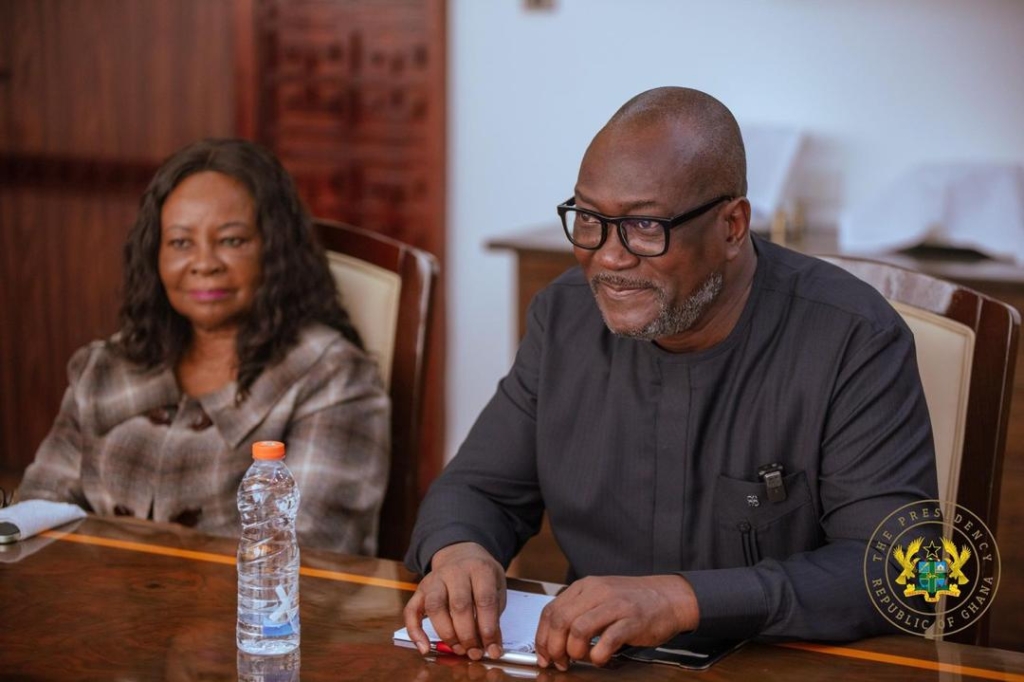
Prominent constitutional scholar Henry Kwasi Prempeh has called for urgent and far-reaching legal reforms, arguing that Ghana’s existing statutes are outdated and inadequate to address the evolving and sophisticated nature of modern corruption. He made the case during a public lecture on constitutional reform and anti-corruption, pointing to weaknesses in current laws as a major obstacle to effective prosecution of graft and state capture.
Prof Prempeh acknowledged that Ghana does have constitutional and statutory frameworks aimed at curbing corruption, including the establishment of the Office of the Special Prosecutor (OSP). But he warned that these instruments have not kept pace with increasingly complex financial crimes, digital money flows, and multinational schemes. He argued that continuing to rely on antiquated laws is “not fit for purpose” in today’s context.
He stressed that corruption has evolved beyond simple embezzlement or bribery. Fraud schemes now involve shell companies, offshore accounts, digital transfers, and sophisticated laundering operations. Without updated laws and improved investigative mechanisms, such crimes often go unpunished or are difficult to trace. He urged Parliament to prioritise legal modernization as part of the national anti-corruption agenda.
In calling for reform, Prof Prempeh also emphasized the need to strengthen institutional independence, ensure adequate funding, and improve capacity for investigative and prosecutorial bodies. He argued that legal reform alone would not suffice unless supported by political will and operational resources.
The lecture comes at a time when Ghana’s corruption problem has drawn mounting public frustration. Critics of current institutions say slow prosecutions, low conviction rates, and political interference have undermined trust in the rule of law. For many citizens, Prof Prempeh’s message resonates deeply: without robust, modern laws and institutions, efforts to deter corruption risk being symbolic rather than substantive.
Anti-corruption advocates have welcomed the call for reform. They view it as an opportunity to overhaul Ghana’s governance architecture, strengthen transparency, deter illicit financial flows, and restore public confidence in accountability systems.
As Ghana moves toward 2026, Prof Prempeh’s lecture serves as a timely reminder that the fight against corruption must evolve. Legal innovation, institutional strengthening, and unwavering political conviction will be key to building a more transparent and just society.