

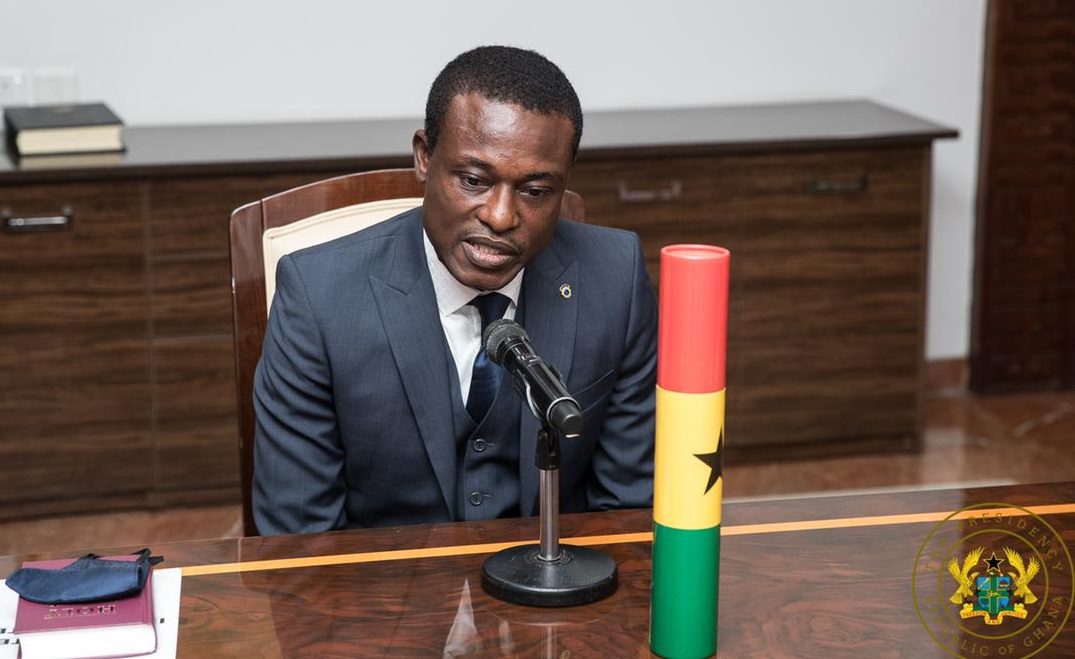
Parliament has taken a firm stance on the recent arrest and detention of private legal practitioner Martin Kpebu by the Office of the Special Prosecutor (OSP), with calls for Special Prosecutor Kissi Agyebeng to appear before the House to explain the circumstances surrounding the incident. The move, led by Majority Chief Whip Rockson-Nelson Dafeamekpor, follows widespread criticism and concerns over what many lawmakers describe as an abuse of power by the OSP.
The controversy began on Wednesday, 3 December 2025, when Mr. Kpebu, acting on an official invitation from the OSP, voluntarily reported to the institution’s headquarters. He had been requested to assist in investigations relating to corruption allegations he had publicly made against the Special Prosecutor. According to parliamentary accounts, instead of the expected engagement, Mr. Kpebu was abruptly arrested upon arrival, with the OSP accusing him of obstructing one of its officers during the process.
The arrest triggered immediate public reaction, further intensified by the stringent bail conditions imposed on him. Despite presenting himself willingly and cooperating with OSP officials, Mr. Kpebu was granted bail only after meeting requirements considered excessive by many legal and political observers. These conditions included providing landed property registered solely in his name as security. Although he eventually secured his release later that day, the nature of the detention and the severity of the bail terms raised questions about fairness, motive, and proportionality.
Addressing the issue on the floor of Parliament, Dafeamekpor strongly condemned the OSP’s actions, characterizing the arrest as an unjustified display of authority. He argued that inviting a citizen for a voluntary interaction only to detain him undermined public trust and risked creating a precedent that could discourage cooperation with investigative bodies. According to him, such conduct was inconsistent with democratic norms and constituted a clear misuse of state power.
The Majority Chief Whip therefore called for the Special Prosecutor to be summoned before Parliament for a comprehensive briefing. He emphasized that the House owed the public an explanation and must ensure that institutions vested with significant powers exercise them responsibly. Dafeamekpor further warned that should the OSP continue to operate in ways that erode constitutional protections and democratic accountability, Parliament might have no choice but to reassess, or even consider repealing, the mandate of the office.
His sentiments were echoed by several other lawmakers, including Majority Leader Mahama Ayariga, who reiterated longstanding concerns about the existence and structure of the OSP. Ayariga maintained that the office lacks solid constitutional grounding and has, in his view, deviated from its intended purpose of serving as an independent, impartial anti-corruption watchdog. For him, the Kpebu incident demonstrated deeper systemic issues and highlighted an urgent need for parliamentary scrutiny, review, and reform.
Former Speaker of Parliament Professor Mike Oquaye also weighed in publicly, registering strong disapproval of the OSP’s conduct. He argued that the office had “no business” detaining an individual who had willingly presented himself. He described the incident as a troubling overreach that risked eroding fundamental rights and could amount to intimidation of citizens who engage in public discourse on corruption and governance.
The broader public reaction has been similarly divided. While some defend the OSP’s authority to enforce its mandate, a considerable number of civil society actors, legal experts, and members of the public believe the detention was unnecessary and heavy-handed. Critics contend that such actions may compromise the credibility of the OSP and deepen skepticism about its impartiality, particularly in politically sensitive or high-profile investigations.
The upcoming parliamentary engagement is expected to address not only the details of Mr. Kpebu’s arrest but also broader concerns about the operational standards, legal mandate, and accountability mechanisms guiding the OSP. Lawmakers hope that a thorough interrogation of the incident will clarify the office’s procedures and ensure that its actions align with constitutional principles, rule of law, and respect for civil liberties.
For now, the arrest has reignited national debate over the balance between investigative independence and institutional accountability a debate that is likely to intensify as Parliament prepares to question the Special Prosecutor. The incident underscores the need for strong oversight and clear boundaries, particularly for institutions entrusted with combating corruption while safeguarding the rights of citizens.