

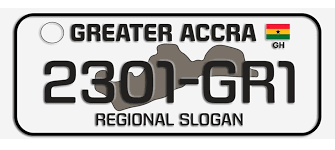
The Driver and Vehicle Licensing Authority (DVLA) has launched a sweeping reform of Ghana’s vehicle registration system, a project that will see over four million existing vehicles re-registered under a new number plate scheme between 2026 and the end of 2027.
Under the new system, the existing format which includes a region code, a four-digit number and a two-digit year of registration will be replaced. On top of the plate will be the name of the region, followed by a unique four-digit number, and a zone/office code that identifies the DVLA office that processed registration.
The reform is scheduled to begin on January 1 2026 for new vehicle registrations. Re-registration of existing vehicles will follow, starting April 1 2026 and concluding December 1 2027. The DVLA has said the reform includes modern security features such as RFID-enabled plates and enhanced digital record-keeping to curb plate forgery, theft and smuggling.
According to the DVLA’s Director of Driver Training, Testing and Licensing, the authority is finalising system readiness tests. A pilot registration is expected to start by mid-December 2025 to test logistics before the nationwide roll-out.
The reforms promise multiple benefits. Foremost is improved vehicle identification and easier tracking by law-enforcement agencies and toll or road safety authorities. The RFID feature will reportedly allow real-time verification of plates, reducing the chances of plate duplication or unregistered vehicles plying the roads.
The DVLA also plans to phase out outdated “dealer” or “DV” plates and temporary licence tags. This is meant to stop abuse of temporary plates for prolonged usage, a loophole that has been associated with smuggling and criminal activities.
Vehicle owners have been given a grace period to comply. The DVLA has called on all owners especially those without current smart-cards or whose vehicles were registered long ago to begin the re-registration process early. Owners will not necessarily need to re-apply online, but will be required to convert their existing records into the digital system and obtain the new plates.
The government says the new number-plate regime is part of broader efforts to modernize the transport sector, improve revenue protection, and enhance security on the roads. Officials believe that by late 2027, Ghana will have one of the most robust vehicle-registration systems in the region, reducing fraud, improving enforcement, and facilitating better vehicle data management nationwide.
As Ghana embarks on this ambitious overhaul, motorists and stakeholders are watching closely. The success of the transition will depend on effective implementation, clear communication, and collaborations between DVLA, law-enforcement agencies, and vehicle owners across the country.