

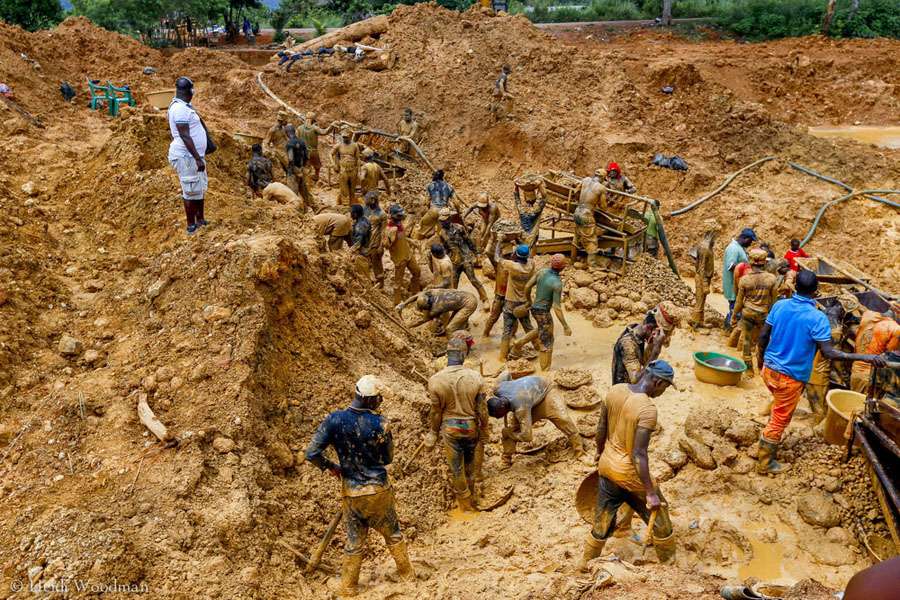
Communities that depend on small-scale mining in Ghana are facing deepening threats posed by illegal mining (galamsey) and high youth unemployment, recent reports show. The combination of environmental degradation and lack of viable job alternatives has created social and economic instability in many mining areas.
Local residents say that as galamsey operations expand, lands once used for agriculture have become barren and unsafe, water bodies have been polluted, and air quality has deteriorated. These environmental harms, they argue, are worsening poverty and reducing the possibility of alternative livelihoods.
With formal employment options scarce, many young people especially in mining zones are turning to illegal mining as a source of income. Community leaders warn that unless sustainable job opportunities are created, the trend could escalate social problems and public health risks.
Stakeholders call for comprehensive interventions including youth empowerment through vocational training, creation of alternative livelihood projects, strict enforcement of mining regulations, and rehabilitation of degraded lands. They also demand the introduction of social safety nets to support displaced farm workers and former artisanal miners.
Environmental activists have urged the government and regulatory bodies to crack down on illegal mining, enforce community consent protocols, and ensure that mining companies operate transparently and responsibly. They warn that failure to act could irreversibly damage ecosystems and impoverish entire communities.
The current situation in Ghana’s mining communities underscores the urgent need for coordinated action from government, civil society, traditional authorities, and private sector stakeholders to prevent further degradation, foster sustainable development, and create alternative employment pathways for youth.